Bemiray Tours
Welcome and transfer to your hotel

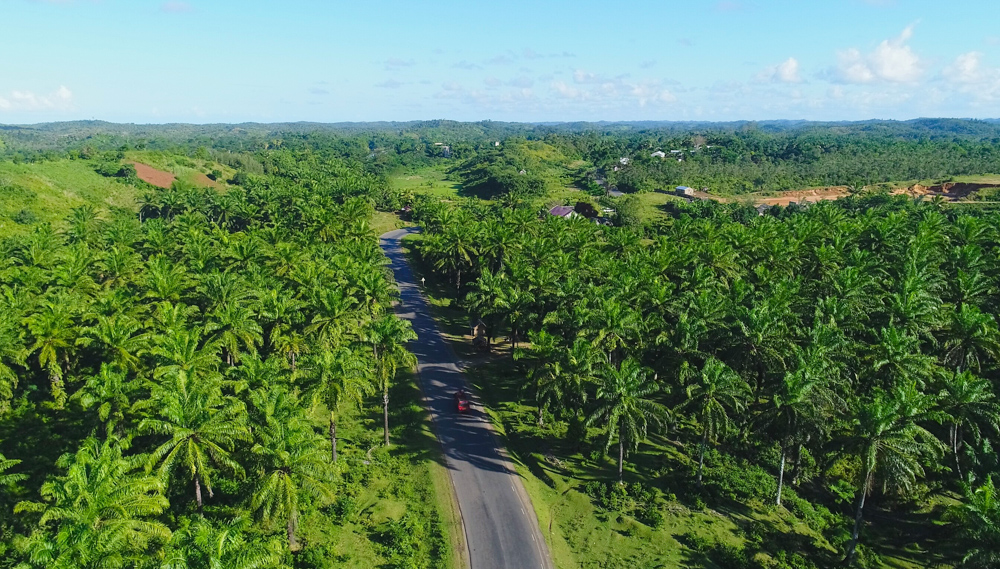
After breakfast , at about 9:00, meeting with your guide and briefing about your trip. Departure for National 02. This eastern part of the area of xerophilous forests, characterized by dominant species such as ravinala, bamboo and Grasses (bozaka). Lunch on the way by our care. Continuation of the journey to reach the Andasibe National Park. The Analamazaotra Special Reserve is one of the most frequently visited sites in the country, one of the easiest to reach, and one of the best places to observe lemurs in Madagascar, and indeed one of the best primate-watching sites in the world. It is located right next to the village of Andasibe, which is also sometimes referred to as Périnet (actually the name of the train station).Arrival in the late afternoon and transfer to your hotel.
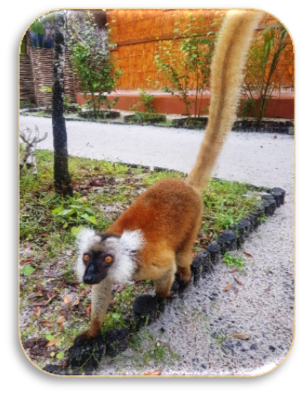
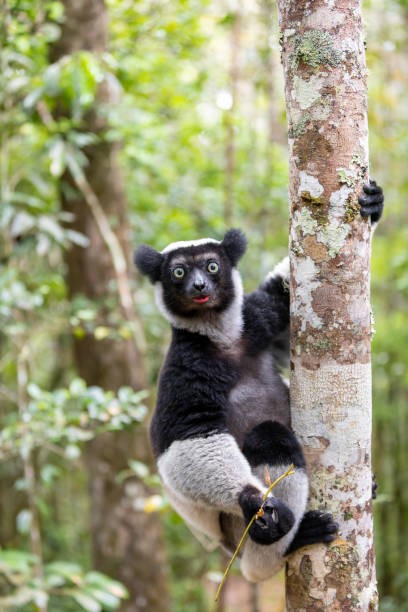
Day of exploration of the Park through the forest of Analamazaotra National Park is a national park of Madagascar. The park is in the eastern portion of Madagascar’s Central Highlands. The neighbouring Analamazaotra Forest Station is a local reforestation effort. It adjoins Andasibe-Mantadia National Park to the northOne can also enjoy a private reserve of vakoana and make some walks and canoeing with the local guide of the center. Analamazaotra consists of mid-altitude montane rain forest at 900–1,250 m, but covers a mere 810 ha. However, it is immediately adjacent to the much larger Mantadia National Park and several other important forests, such as Maromizaha. An overnight stay at this site is an absolute must for the first time visitor to Madagascar, since it is the single best place in the country for seeing the indri (Indri indri). Two indri groups in the surrounding forest have been habituated to the presence of tourists and are easily found with the help of local guides. In addition to the indri, the following lemurs are also relatively easy to observe at Analamazaotra: Goodman’s mouse lemur (Microcebus lehilahytsara), Crossley’s dwarf lemur (Cheirogaleus crossleyi), weasel sportive lemur (Lepilemur mustelinus), brown lemur (Eulemur fulvus), gray bamboo lemur (Hapalemur griseus griseus), and eastern woolly lemur (Avahi laniger), as well as recently re-introduced diademed sifaka (Propithecus diadema) and sometimes southern black-and-white ruffed lemur (Varecia variegata editorum), also a recent re-introduction. The sifakas are now quite easy to see in the same area as the two habituated indri groups, but the ruffed lemurs are more difficult. There is also a possibility of seeing the red-bellied lemur (Eu lemur rubriventer) and the aye-aye (Daubentonia madagascariensis), although sightings of these species are much more infrequent.
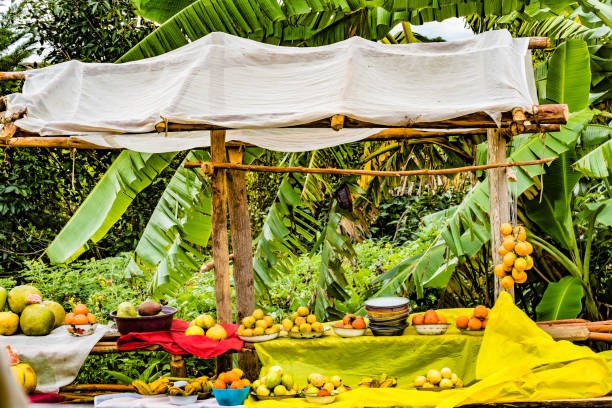
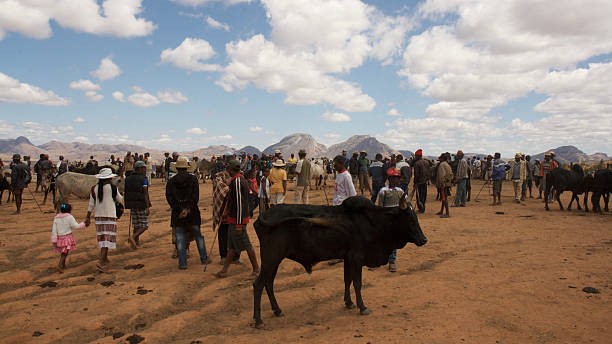
Breakfast at 07:00. Meeting with the guide + briefing of the trip. Departure for Itasy region. Ampefy is a small village located about 120 Kilometers from Antananarivo, the capital city. The road from Antananarivo to Ampefy passes through several small villages. In some places, different craft products are made such as: gemstone, weaving, shoemaking, etc. On the side of the road, there are several places where cooked fruits, vegetables and food are offered. There is also the possibility of meeting a zebu market on the way. Stop in Antananarivo. Free choice for lunch, in your charge. we drive on to reach the Itasy region. Stay at your hotel in late afternoon.
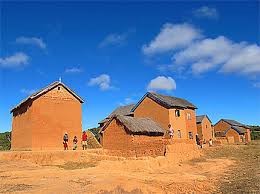
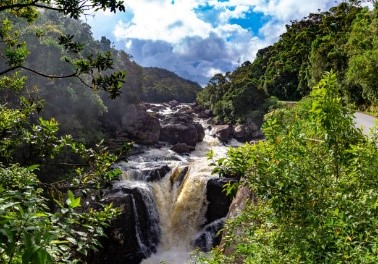
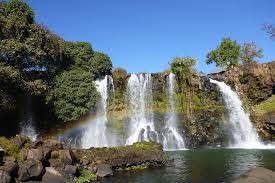
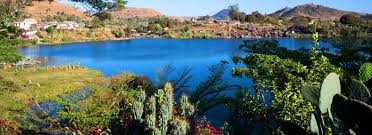
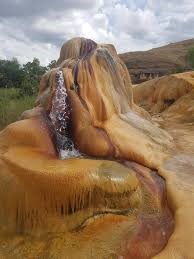
Breakfast, and morning spent for a paragliding session: allowing a panoramic view of this volcanic area of Itasy. Free choice for lunch, at your own expense. In the afternoon, we will discover the famous waterfall « la Chute de La Lily « , of 26 m height from Lake Itasy. The latter is formed by an old crater. This place was formerly called Antafofo. Ampefy area is characterized by a volcanic landscape and was classified as an ecotourism destination by Madagascar National Parks. Volcanoes dating back two million years and more than 40 volcanic lakes, including Itasy Lake, are scattered in an area of 400 km². Ampefy is not on the edge of the lake, but is on the Kavitaha. The latter is a spillway of Itasy from which it is separated by rock piles forming beautiful waterfalls in high water periods. Two of the most famous tourist sites that you can visit in Ampefy are the Geysers and “La chute de La Lily” (Lily Waterfalls). 3 km from Ampefy, a split on the left leads to the rocky outcrop of Ambohitrimanjaka. The latter became Ambohitrimarimanjaka (Mount of Mary, Queen) since a statue of the Virgin, 6m high, was erected with three altars in the southern part of the stele. Analavory Geysers are located 22 km from Ampefy. The area also includes Ampefy geysers. The geysers of Amparaky come from the phenomenon of artesian wells, not volcanic geysers. The difference lies mainly in the fact that the expelled water is not very hot.
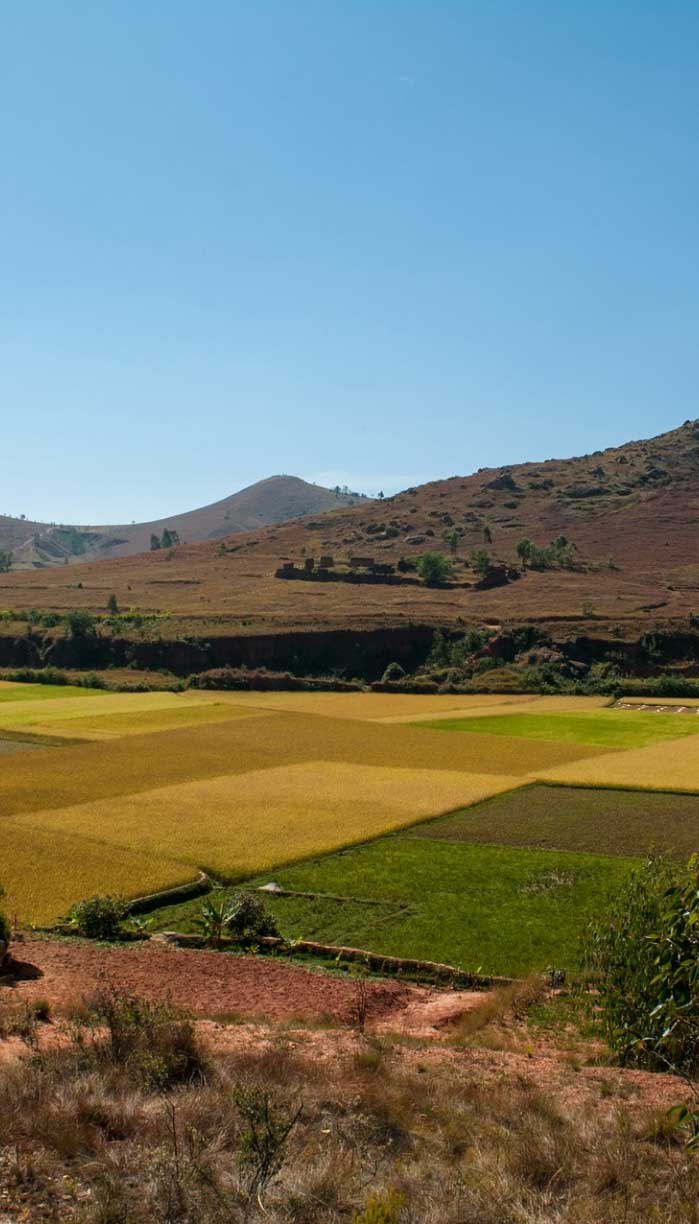
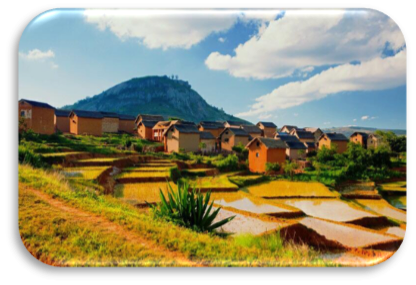
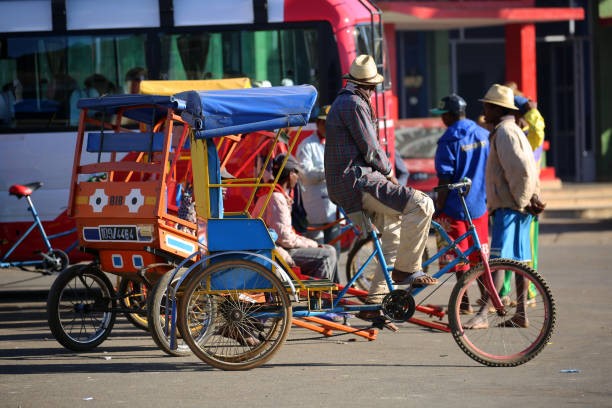
Earlier in the morning, we go to the south part of the highlands. Departure to the south part og the big island : the mytik national 07. We get at the first spa town the Madagascar. Throughout the country landscape villages, we will see some of typical teracce of ricefields especially in the malagasy highlands. Arriving in Antsirabe the capital of Vakinankaratra, wich is situated in the central highlands of Madagascar. Free lunch on the way The region covers an area of 16,599 km2 (6,409 sq mi), making it the third least extensive region in Madagascar. It borders the region of Bongolava in the northwest, Itasy in the north, Analamanga in the northeast, Alaotra Mangoro and Atsinanana in the east, Amoron’i Mania in the south, and Menabe to the west. This town is regarded as the ‘pousse-pousse‘ capital (rickshaw)

Antsirabe is known for its relatively cool climate (as the rest of the central region of the country), its industry and the high concentration of pulled rickshaws . Wake up earlier, meeting with the local guide for 4 to 7 hours of walking. Let’s go to Betafo : 22km ouest Antsirabe on N 34 and let’s start visiting villages.
At the end of day, we go back to Antsirabe.
Wake up at 08H00, after taking breakfast let’s drive to Ambositra. This city is the capital of the Amoron’i Mania region. It is the centre of Madagascar’s’ wood-carving industry due to the presence of the Zafimaniry tribe, a subgroup of the Betsileo tribe. There are many shops selling wooden boxes, chessboards and figurines: belongs to world heritage. Lunch on the way by our care. Let’s continue to the national park of Ranomafana. We arrive in the late afternoon.
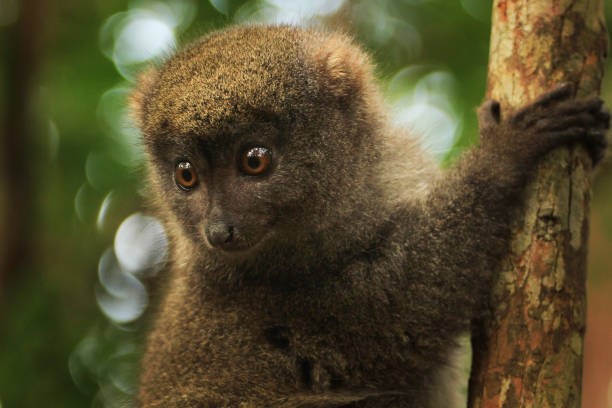
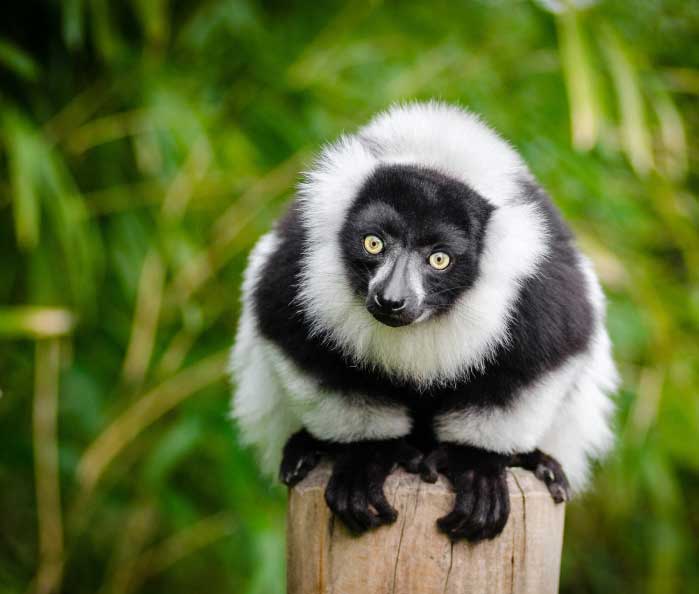
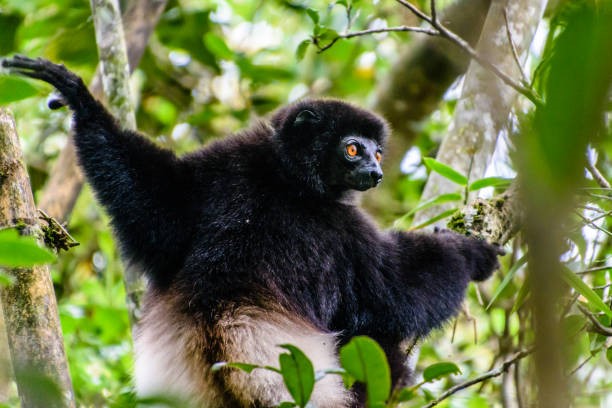
It will be a day park visit. It’s the second spa town of the Island. Ranomafana National Park is in the southeastern part of Madagascar, tropical rainforest, it is home to several rare species of flora and fauna including the golden bamboo lemur, the greater bamboo lemur, black and white ruffed lemur and Milne-Edwards sifaka, and over 130 species of frogs. The park was established in 1991 with the purpose of conserving the unique biodiversity of the local ecosystem and reducing the human pressures on the protected area. It is part of the World Heritage Site Rainforests of the Atsinanana. The most important crops are bananas and rice, while other important agricultural products are pineapple and cassava. Terrestrial National Park classified as a World Heritage Site with its dense humid forest of low altitude (600-800m), its dense humid forest of medium altitude (800-1400m), its bamboo forest, its swamp where plant and animal species such as Pandanus, Varecia variegata variegate, Crayfish, Limnogale Mergulus choose as habitat. Free lunch in your charge.
Earlier in the morning, weak up at 06H00AM, on the way to Ranohira. We pass through the city of Betsileo: Fianarantsoa. It was built in the early 19th century by the Merina as the administrative capital for the newly conquered Betsileo kingdoms. Fianarantsoa means « Good education » in Malagasy. It is a cultural and intellectual center for the whole island. It is home to some of the oldest Protestant and Lutheran cathedrals on the island, the oldest theological seminary (also Lutheran), as well as the Roman Catholic Archdiocese of Fianarantsoa. It is considered to be the capital of wine in Madagascar, because of the presence of many wine industries in the city.
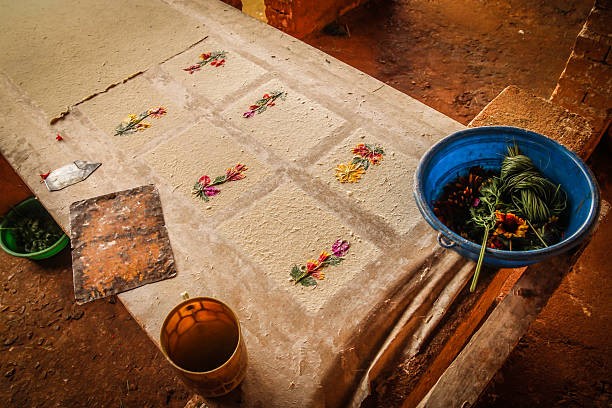
On the way, you go through Ambalavao : The city is in the most southern part of the Central Highlands, according to the timing we may visit the famous paper introduced by the Arabs. It belongs to the district of Ihosy, which is a part of Ihorombe Region. It is also a site of industrial-scale mining. The majority 85% of the population of the commune are farmers, while an additional 10% receives their livelihood from raising livestock. The most important crop is rice, while other important products are peanuts and cassava. We will put you in intimate contact with a delectable reality, landscape and culture that will catapult your imagination to a higher brow and leave you yearning for a comeback.
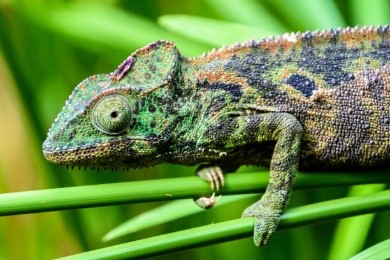
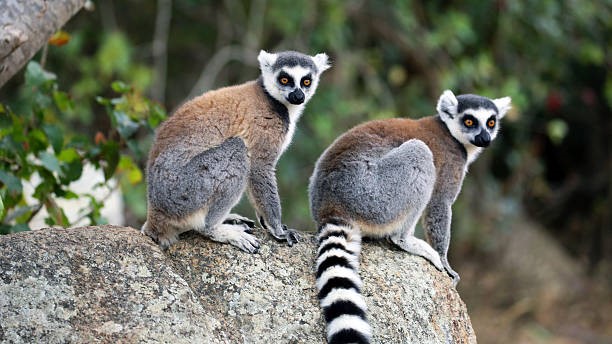
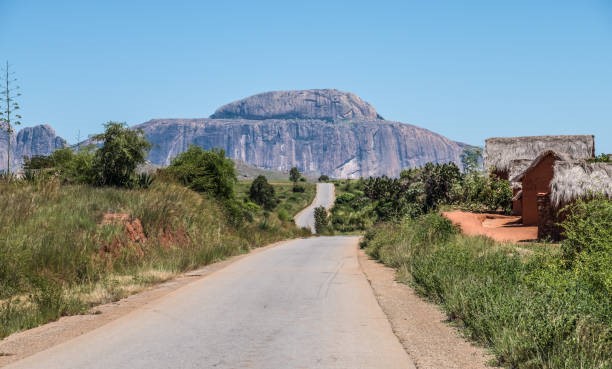
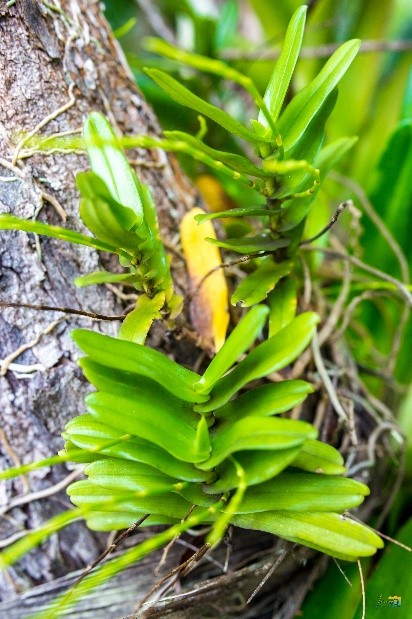
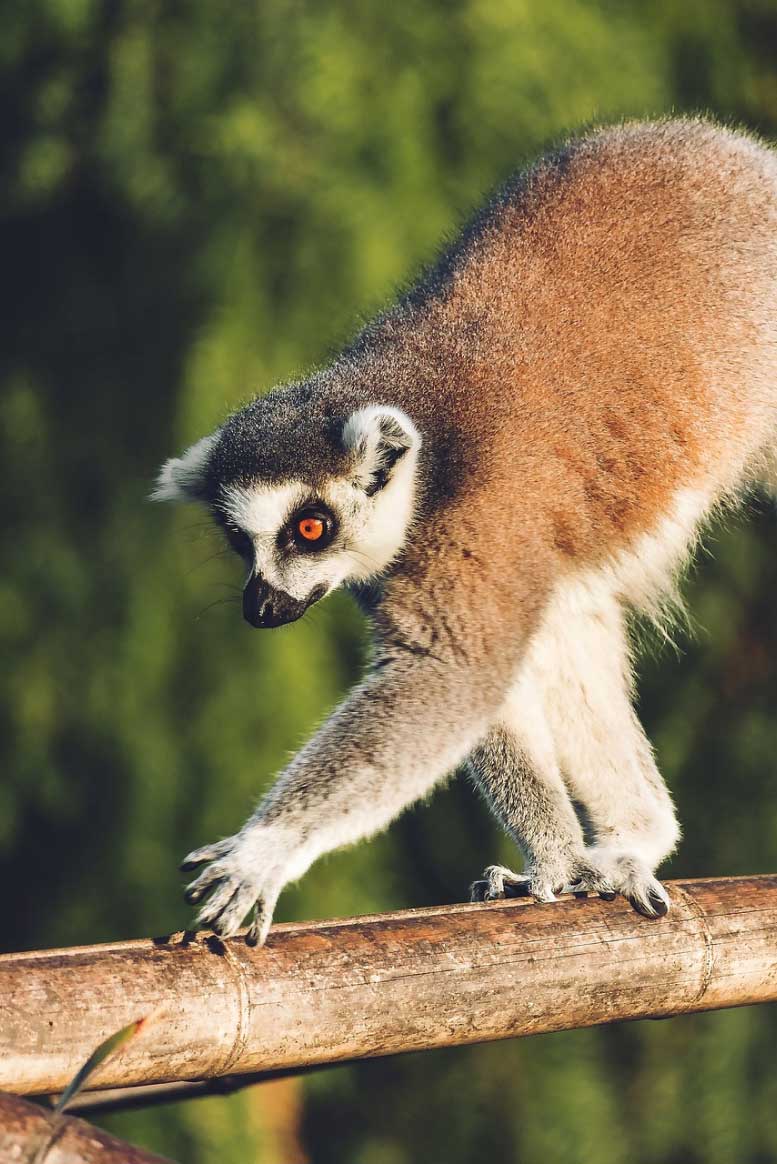
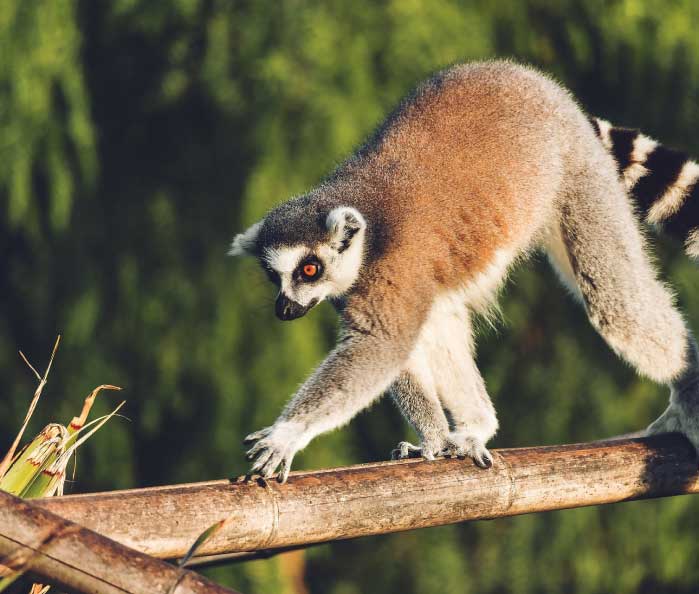
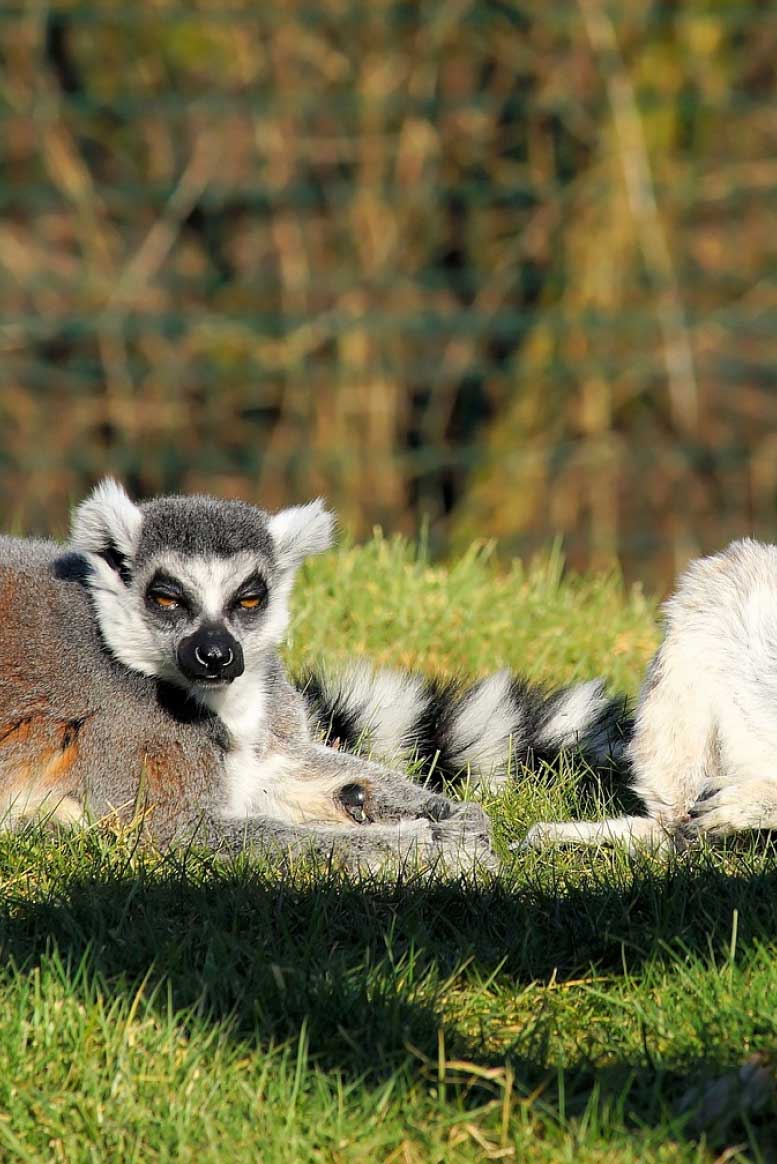
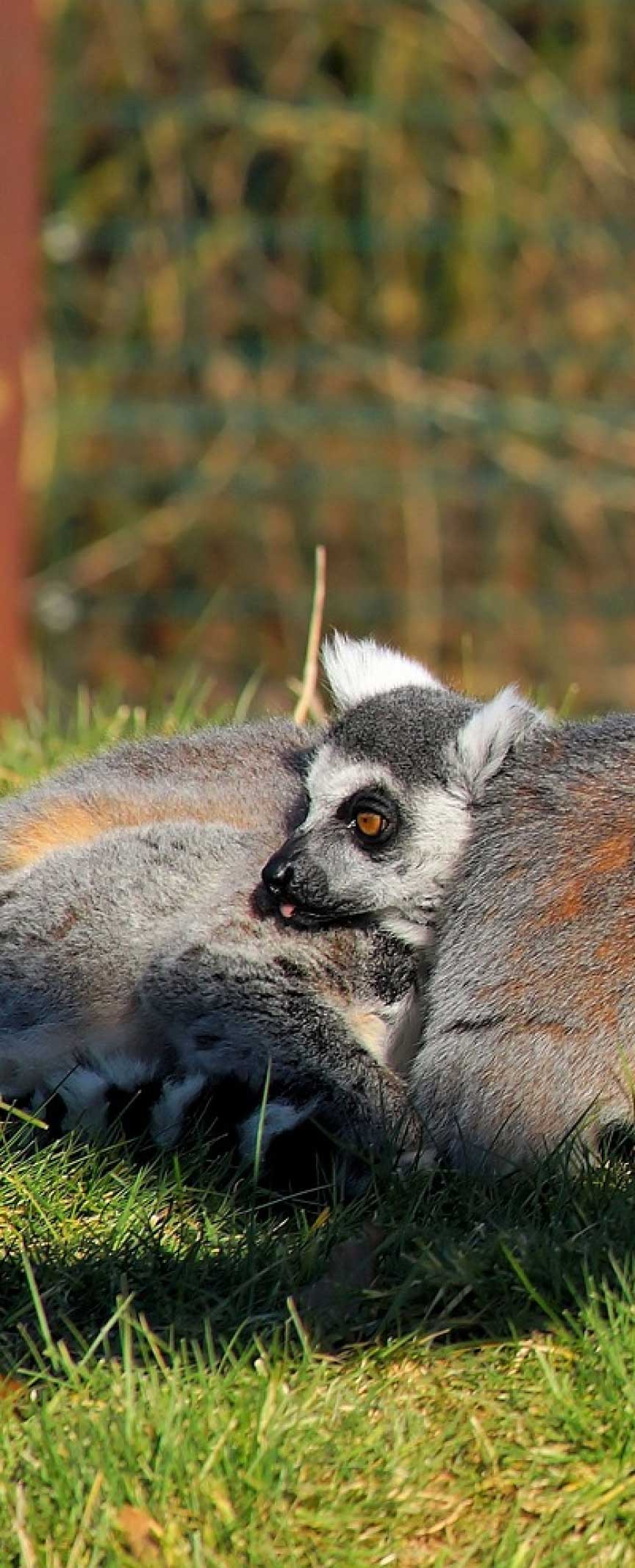
From here we reach the Tsaranoro Valley. Tsaranoro circumscribes the Tsaranoro Massif, located on the outskirts of Andringitra National Park in southern Madagascar. The spectacular rock walls of the massif and the mindblowingly beautiful valley offer numerous climbing routes and hiking trails, let’s make a balade inside the valley. The Tsaranoro Valley is a walker’s paradise, an ideal location for individual day treks or guided multi-day expeditions with overnight camping. The treks lead through open savanna and tropical humid or dry forest. Tsaranoro is the primary habitat for Ring-tailed lemurs. Various species of falcon, snakes, lizards, chameleons and plenty of orchids can be found. Free lunch on the way. On the afternoon, we drive to get in Rahohira.
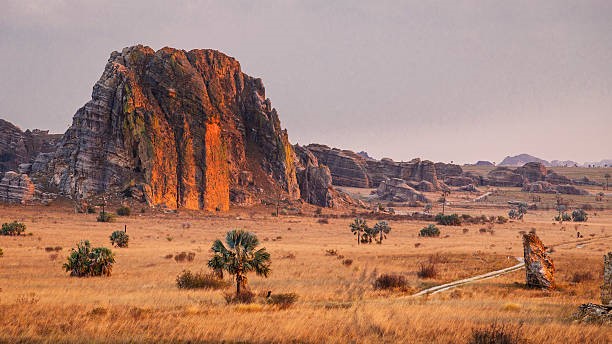
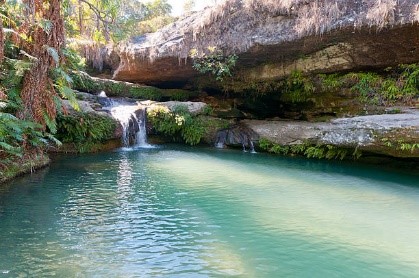
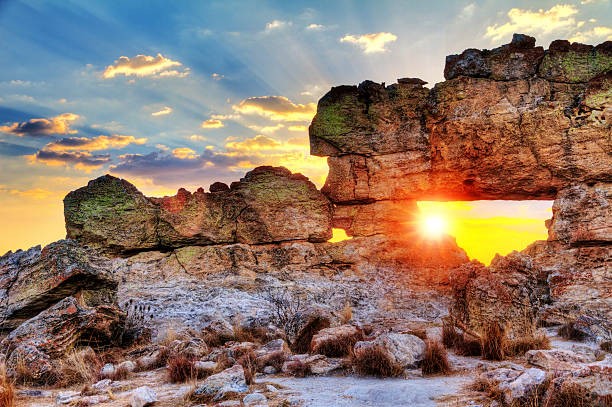
All day for the exploration : according to your fitness. Different local tours inside the park are available and proposed. The Terrestrial National Park Isalo is a unique ecological representation within the network of National Parks Madagascar: a ruiniform massif of continental sandstone dating from the Jurassic with its typical geomorphology and its endemic rock vegetation (Aloes, Euphorbias, Pachypodes, Kalanchoe …) and the specific fauna of this exceptional habitat (rock reptiles whose vast majority are endemic)
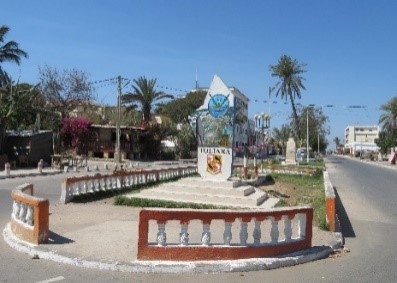
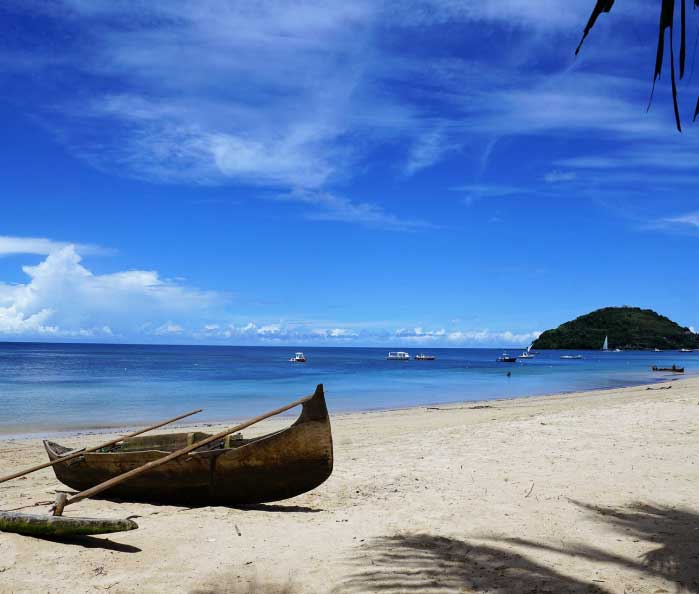
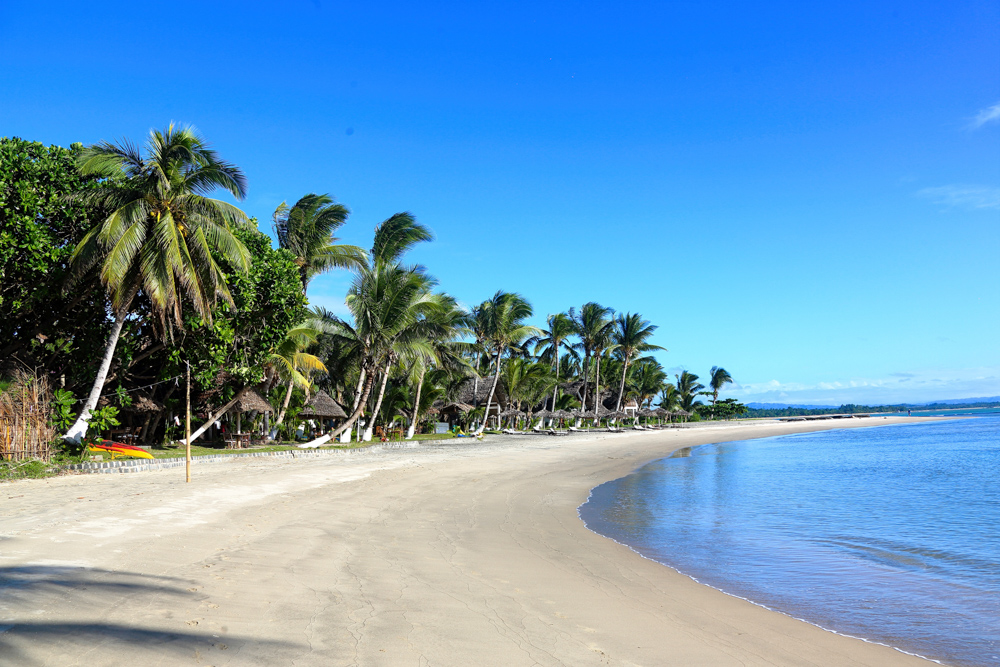
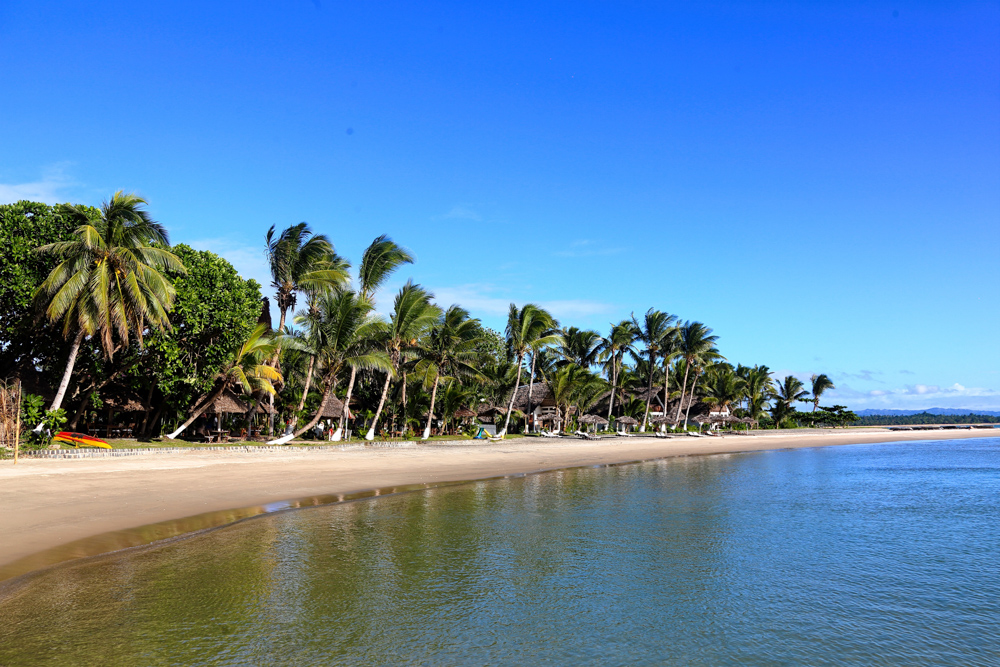
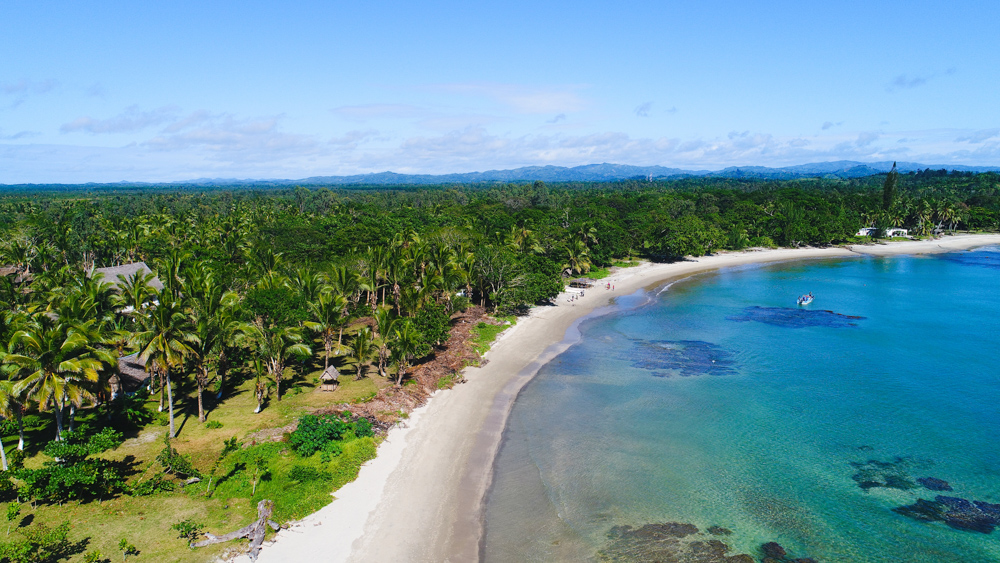
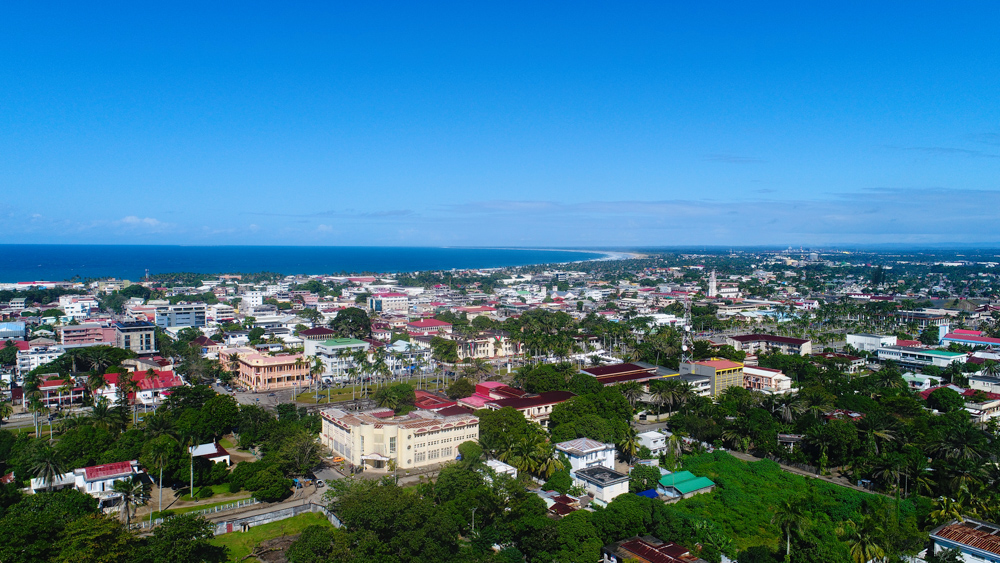
Breakfast and on the way to reach the capital of the Atsimo-Andrefana region, located 936 km southwest of national capital Antananarivo. The landscape changes to savannah & bush. Toliara is located on a broad coastal plain, surrounded by dunes and mangroves, near the Tropic of Capricorn in the Mozambique Channel.
A nearby barrier reef (the Great Reef) is 18 km long and 3 km wide. The beach area is extended by an underwater beach along the continental shelf that slopes gently seaward. To the north lies the Delta Fiherenana.
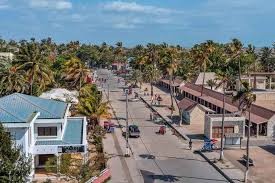
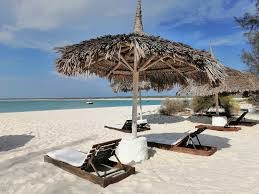
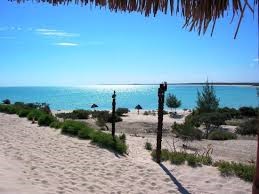
Wake up refreshed and after a good breakfast, head for Salary.
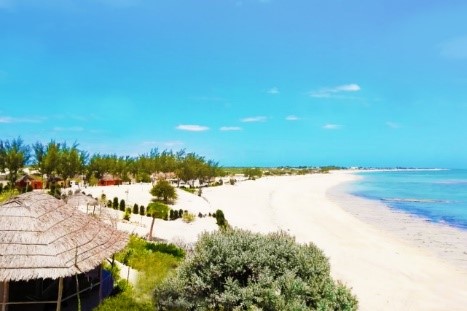
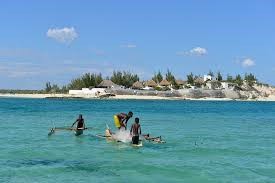
Several activities are posible : deep sea fishing, scuba diving , quad, snorkeling, biking, walking…
Aeroport transfer by the hotel. Flight back to Antananarivo. Day use at an hotel depending on the flight schedule.
Aeroport transfer by the hotel. Flight back to Antananarivo. Day use at an hotel depending on the flight schedule.
End of our services.
NB : The price may change depending the availability of accommodation