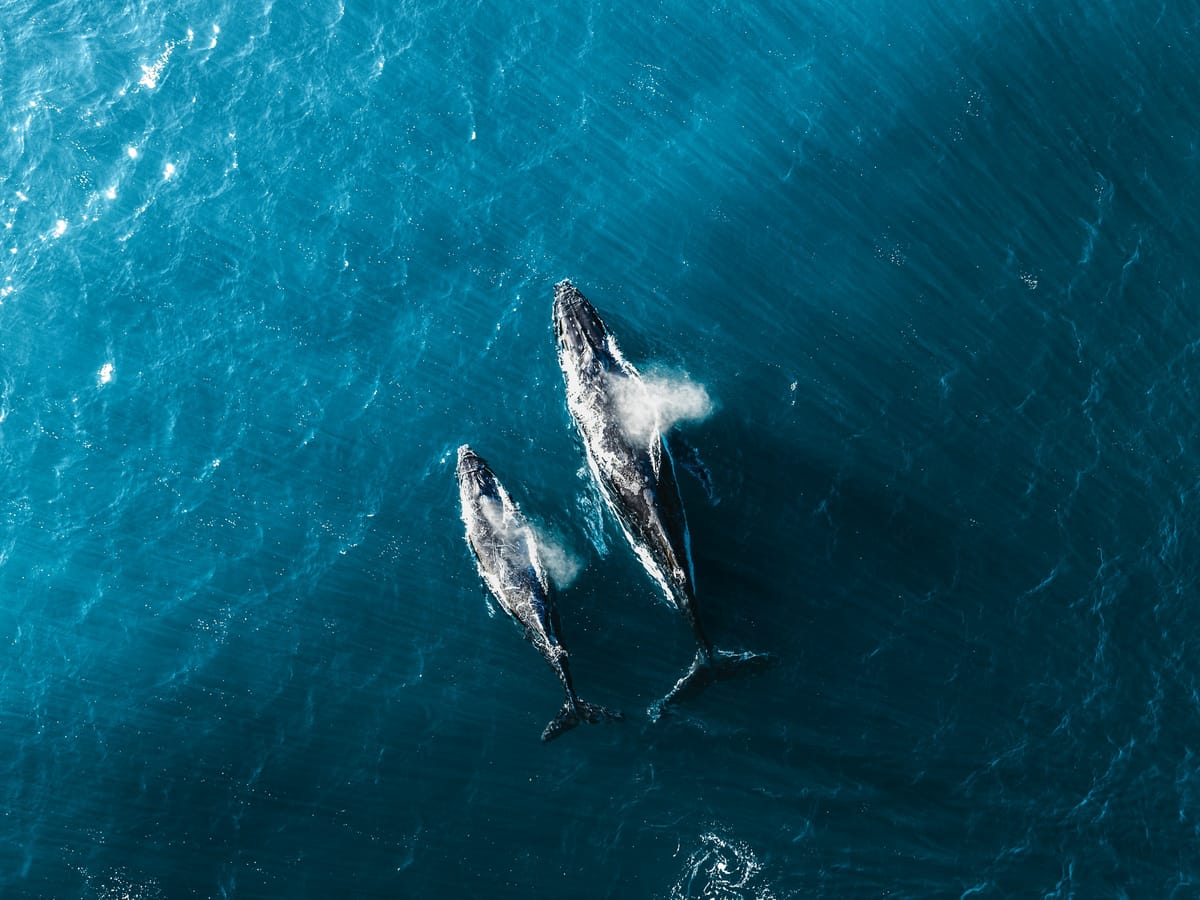
From July to September, humpback whales come to mate and give birth in the warm waters of Madagascar. From Sainte-Marie or other stretches of the island’s coast, head out to sea to watch them, following the approach rules.
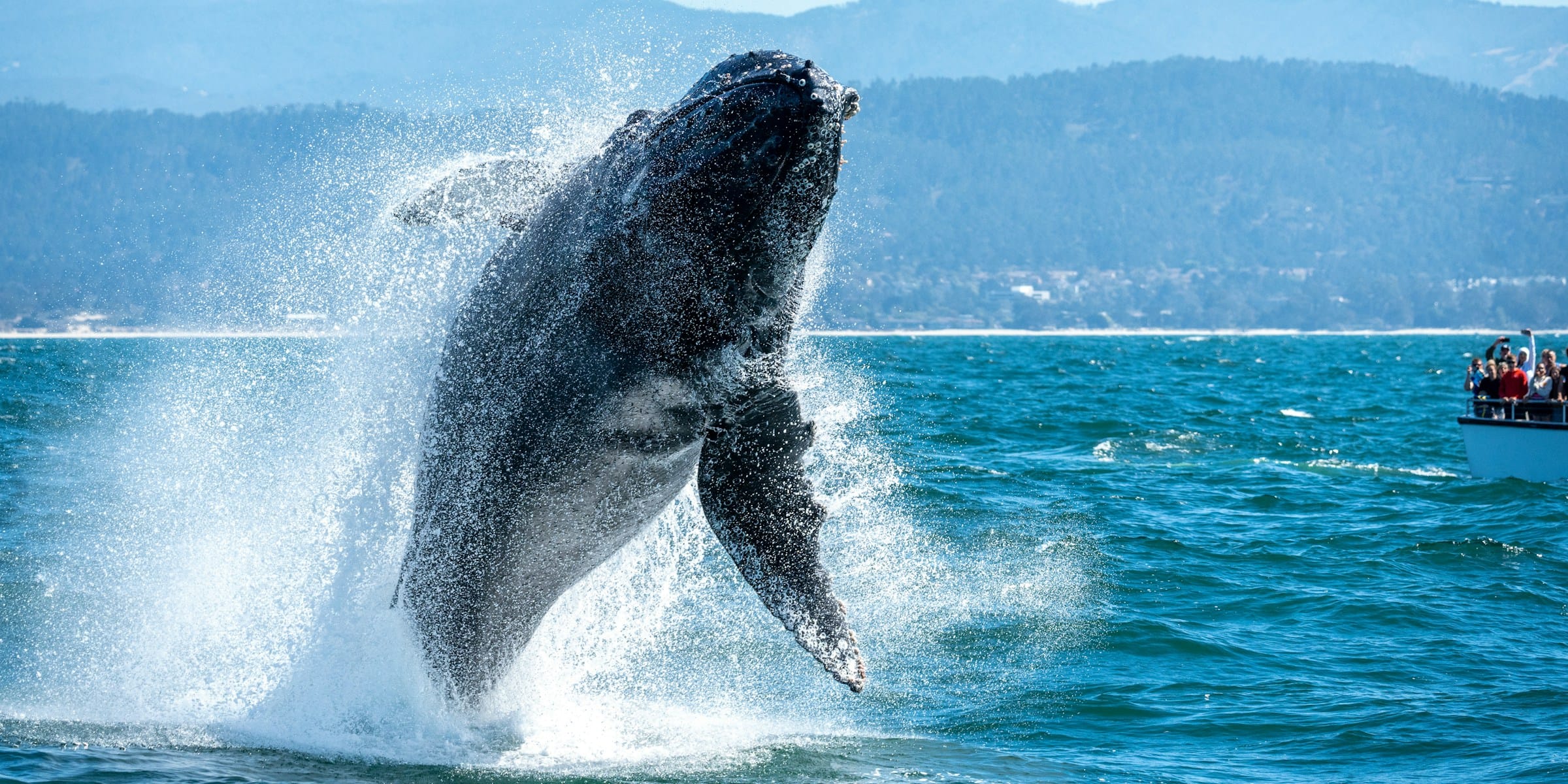
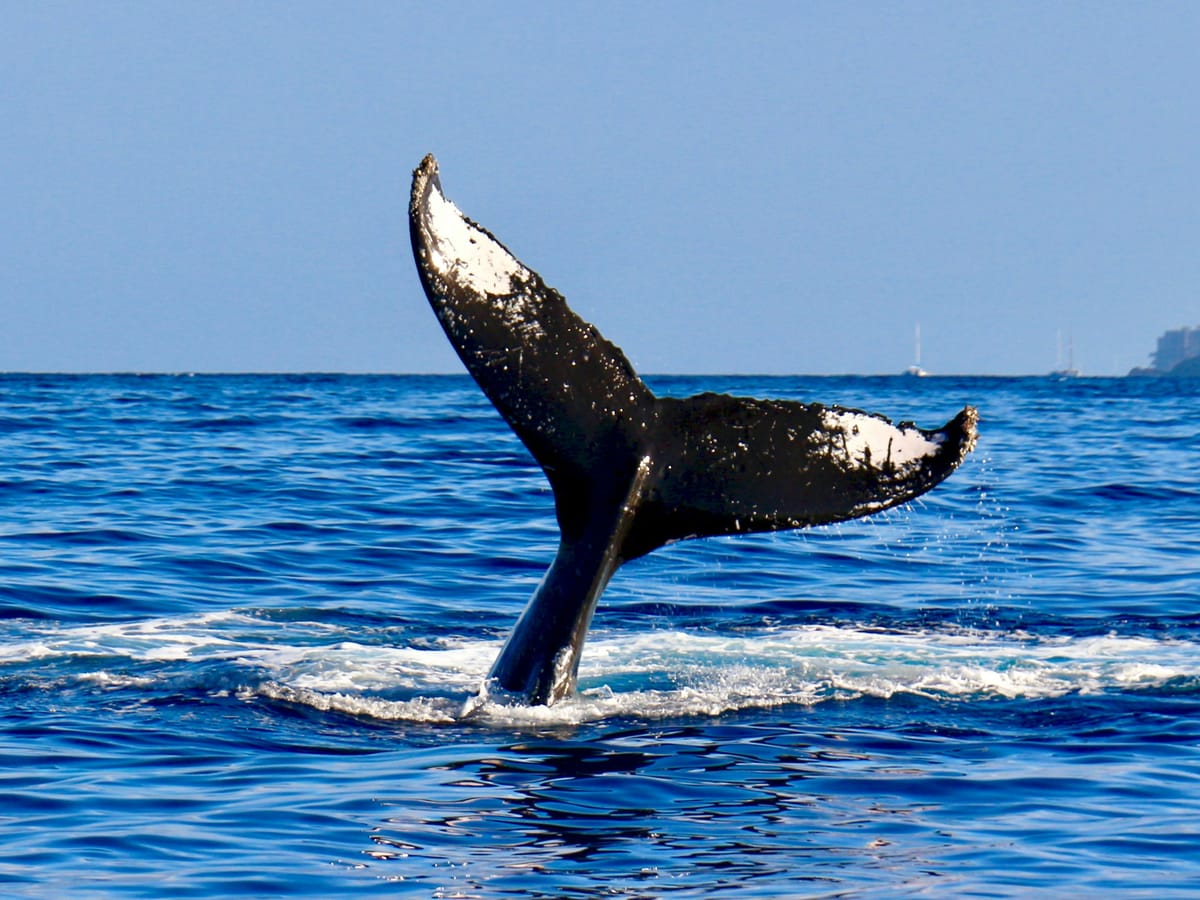
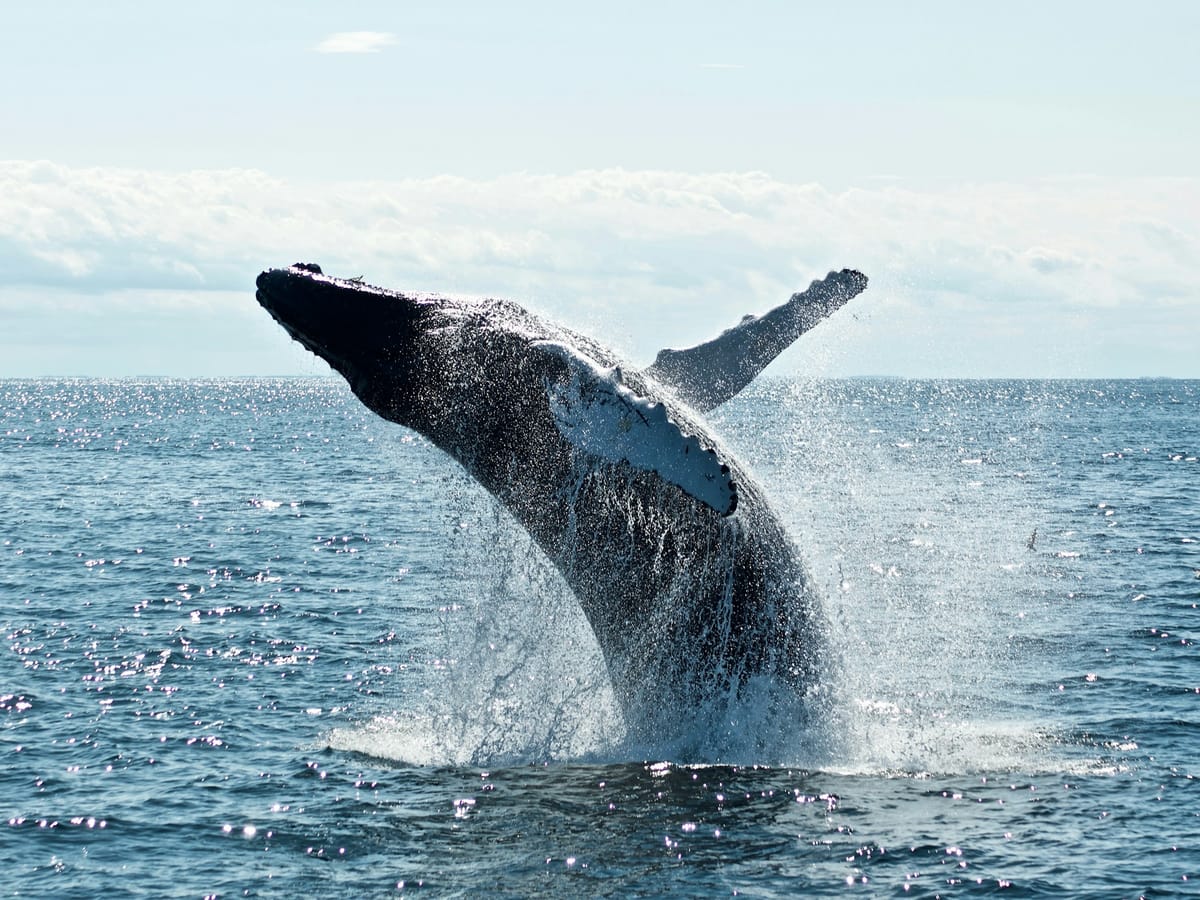
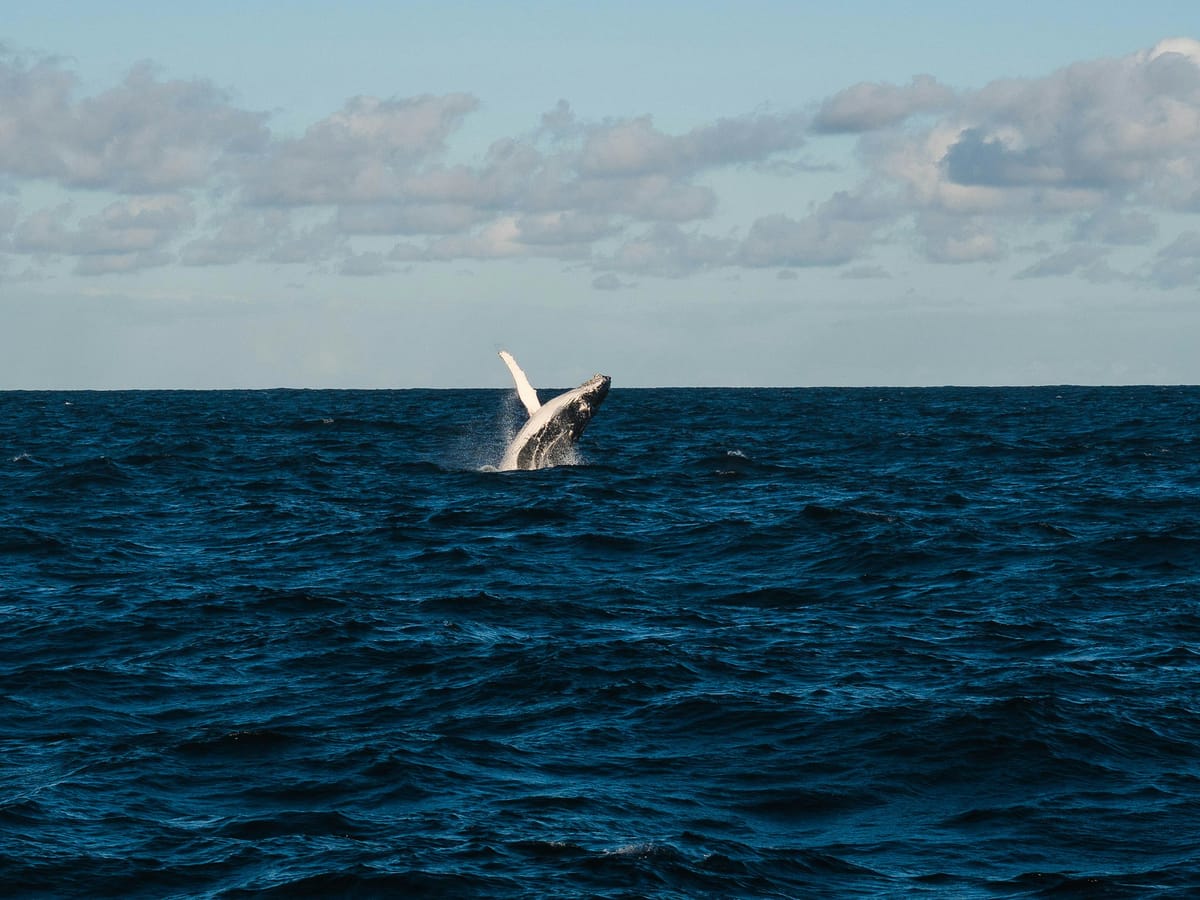
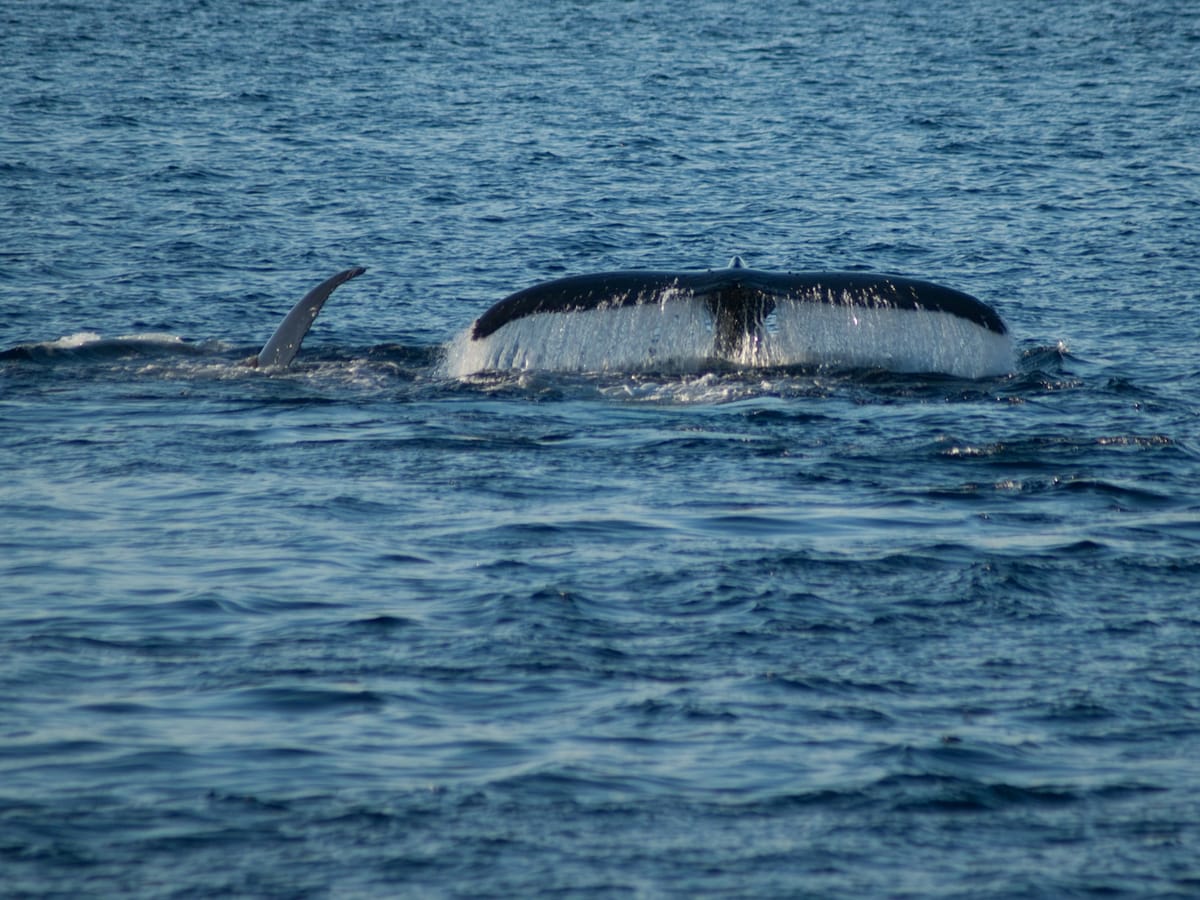
Every year, humpback whales leave the cold waters of the Antarctic, where they feed, for the warm waters of Madagascar. They come here to mate, give birth and nurse their calves. Generally 14 to 15 metres long as adults, they put on a striking show: breaching, slapping their fins, raising their tails before a dive and, in the case of males, a long song.
Whale watching is done by boat, on a two- to four-hour trip with a local crew. The skipper spots the blows, approaches slowly and stops at a safe distance, then you watch the group without ever chasing or surrounding it. On some trips, a hydrophone lowered into the water even lets you listen to the males’ song.
BEMIRAY builds this trip into your tailor-made holiday, most often during a stay on Sainte-Marie, or from Fort-Dauphin, the south-west coast or Nosy Be depending on your itinerary. We choose operators who follow Malagasy regulations and the cetacean approach charter, and we adapt the programme to sea conditions.
100% tailor-made
On the spot
Things to do and see
The highlights of the activity, arranged around your pace and your wishes.
See a whale breach
Breaching, pectoral fin slaps, tail lobbing: in the middle of the mating season, humpback whales are often very active at the surface.
Mothers and calves
Females give birth in the calm waters of Madagascar. With a little luck, you will spot a calf swimming close beside its mother, to be watched with extra care.
Listen to the males sing
During the breeding season, males sing long, complex songs. On some trips, a hydrophone lowered into the water lets you hear them.
A guided trip at sea
With a local crew trained in the approach rules, you head out for two to four hours in the Sainte-Marie Channel or off the island’s other coasts.
The whale festival
In July, Sainte-Marie celebrates the whales’ return: concerts, shows and events raising awareness of their protection.
Linger by the lagoon
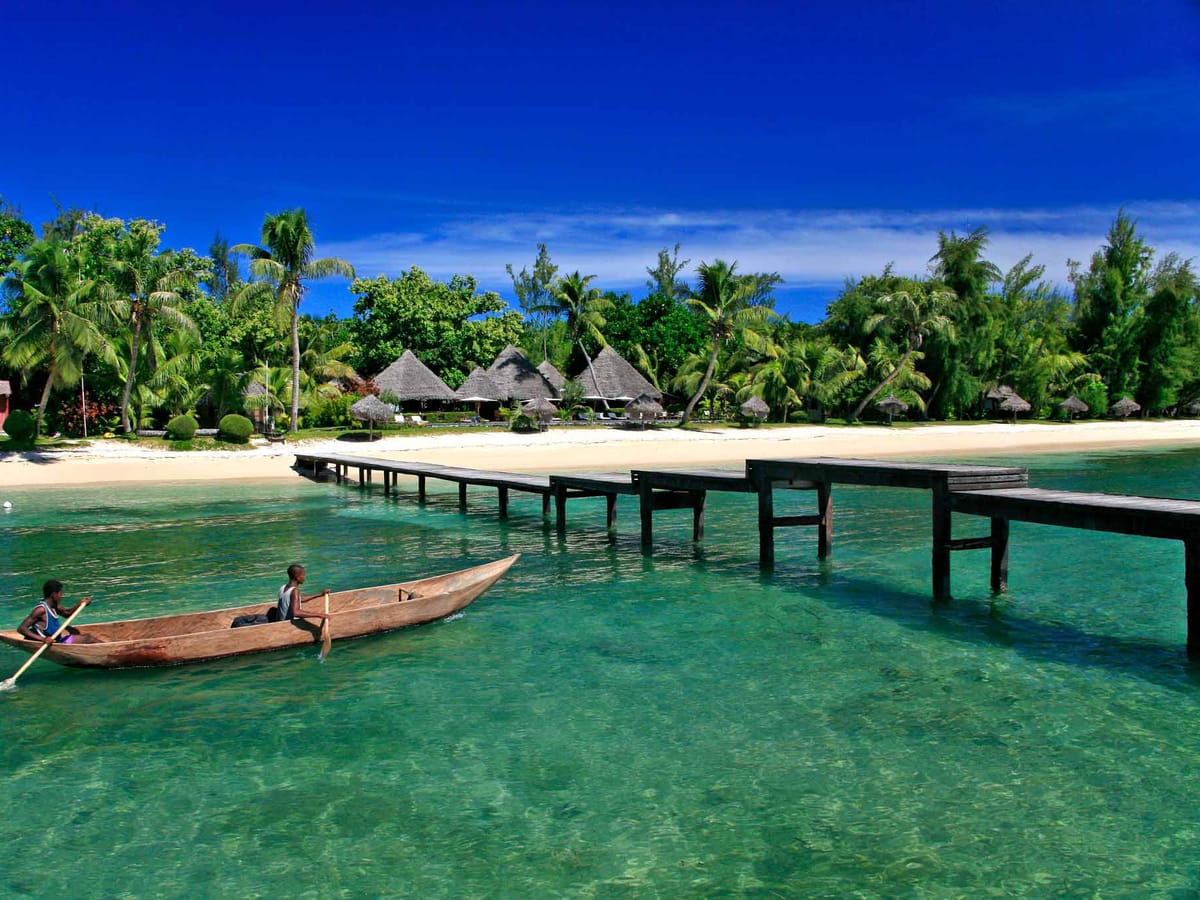
After the trip, enjoy the sea another way: snorkelling at Sainte-Marie or Ifaty, or a stroll on Île aux Nattes or around Lokaro Bay.
Destinations
Where to go
Our favourite places for this activity, to link together or to slot into one of our tours.
East coast, Nosy Boraha island
Sainte-Marie
Between the island and the mainland, the Sainte-Marie Channel is Madagascar’s leading whale-watching spot. From July to September, boat trips leave from the island: choose an operator that has signed the approach charter of Cétamada, an association based there. In July, the whale festival celebrates their return.
South-east, Anosy region
Fort-Dauphin
At the island’s south-eastern tip, humpback whales frequent the bays along the coast from July to September, sometimes into October. Boat trips leave from Fort-Dauphin to watch them breach and slap their fins. Combine it with Lokaro Bay, its coves and beaches, at the start of a tour heading south.
South-west, around Toliara
Ifaty, Salary and Anakao
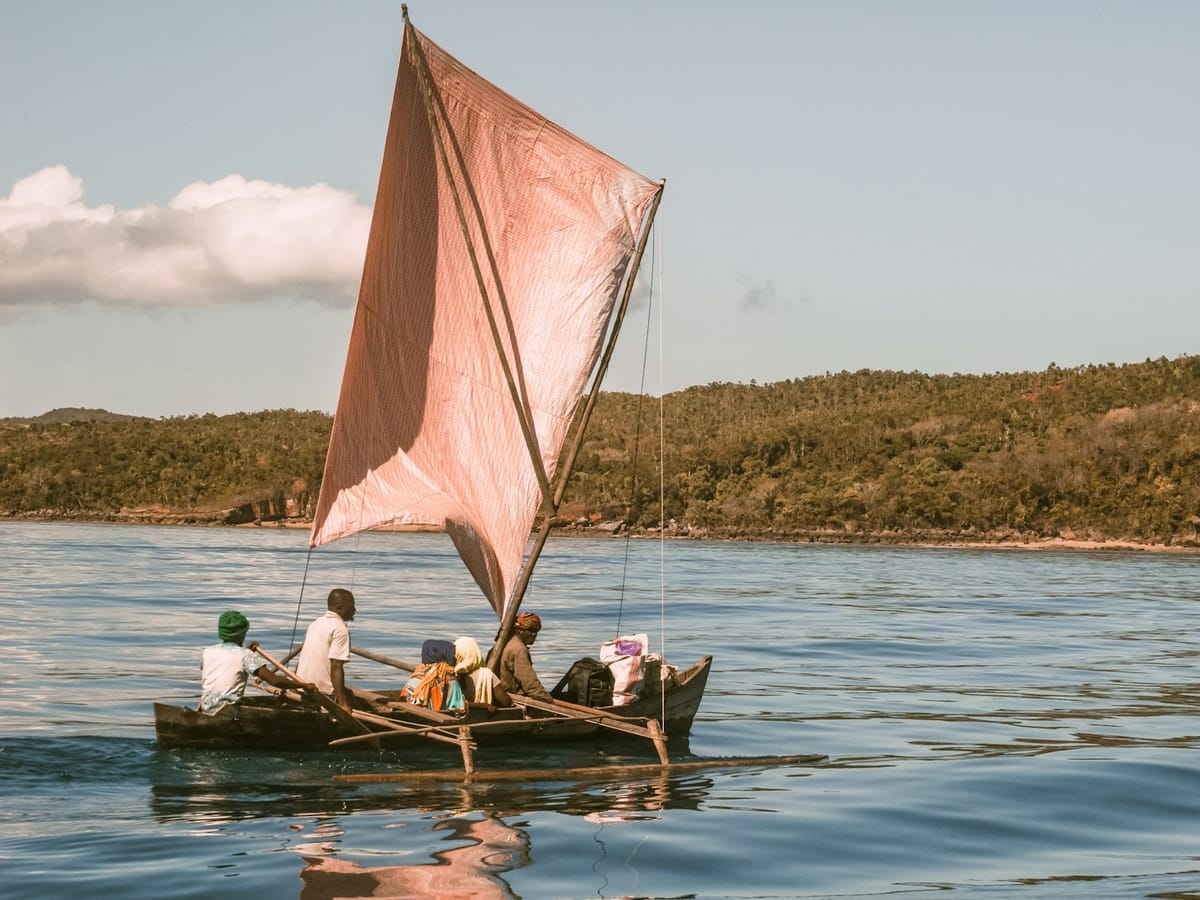
From Anakao to Salary Bay, the waters of the south-west are among the humpback whales’ breeding grounds. During the season, trips by boat or motorised pirogue leave from the fishing villages, often combined with snorkelling on the reef. Several of our tours include a few days here by the lagoon.
North-west, off Ambanja
Nosy Be
The waters around Nosy Be also welcome humpback whales during the southern winter, generally from July to November, peaking from August to October. Boat trips leave from the island and can be combined with visits to the nearby islets. From September to December, whale sharks also come here to feed.
In pictures
The activity in photos
A few images of the activity and of the places where you can enjoy it.
The right time
When to go
Humpback whales spend the southern winter in Malagasy waters. The first appear in May or June and the best time is from July to September, with activity often peaking in August. In October and November the last of them, including mothers and calves, gradually head back to the Antarctic. From December to April it is no longer the season. Seas are often calmer in the morning.
Sainte-Marie: July to September, whale festival in July.
Fort-Dauphin: July to September, sometimes into October.
Nosy Be: July to November; whale sharks from September to December.
Month by month
Jannot advised
Febnot advised
Marnot advised
Aprnot advised
Maynot advised
Junpossible
Julideal
Augideal
Sepideal
Octpossible
Novpossible
Decnot advised
Ideal
Possible
Not advised
This month
Recommended season: Mainly July to September
In your bag
Gear and equipment
What is provided and what you should bring to make the most of the activity.
Provided
Boat trip with a local skipper
Life jacket for every passenger
Transfers to the departure point
Operator that respects the approach rules
What to bring
Waterproof windbreaker
Hat and sunglasses
Mineral sunscreen
Seasickness tablets
Binoculars
Waterproof pouch for your camera
Water bottle
Peace of mind
Safety advice
A few simple rules so you can enjoy the activity with peace of mind. On site, always follow your guide’s instructions: they know the ground and the conditions of the day.
Wear your life jacket throughout the trip and stay seated while the boat is moving.
The skipper must stay more than 100 metres from the whales, without chasing them or cutting across their path: never ask them to get closer, especially to a mother and calf.
Swimming with humpback whales is forbidden in Madagascar: never get into the water near them.
Choose an operator that follows the regulations: no more than three boats in the watching area, and half an hour at most beside a group with a calf.
If you suffer from seasickness, take medication before setting off and stay in the open air, looking at the horizon.
At sea the sun and its glare are strong, even under cloud: a hat, sunglasses, mineral sunscreen and water are essential.
In rough seas or strong wind, the trip may be postponed: the skipper’s decision always comes first.
With BEMIRAY
Why choose this activity?
Carefully chosen operators
We work with local operators who follow Malagasy regulations and the cetacean approach charter: a peaceful experience for you, with as little disturbance as possible for the whales.
The right place and time
Sainte-Marie, Fort-Dauphin, the south-west or Nosy Be: we fit the trip into the best moment of your itinerary, depending on the season, the weather and sea conditions.
Everything arranged, flight to boat
Domestic flight, transfers, seafront accommodation, whale watching and other activities: we take care of everything. We reply to your enquiry within 48 hours.
Whale watching that protects
Responsible whale watching benefits coastal communities and the protection of the whales, closely monitored by local associations such as Cétamada on Sainte-Marie.
Good to know
Your questions
Another question? Our team replies within 48 hours, in English or in French.
Nothing is guaranteed with wild animals, but at the height of the season, from July to September, sightings are frequent in the Sainte-Marie Channel. If the sea is too rough, the trip may be postponed: allowing several days on the island gives you some leeway.
Can I go with children?
Yes, trips are generally suitable for families, provided life jackets in the right sizes are available. Seasickness is the main concern: for younger children, choose a shorter trip in calm seas. The minimum age depends on the operator.
Can I swim with the whales?
No. In Madagascar, the regulations forbid getting into the water with humpback whales, for swimmers’ safety and so that mothers and calves are left in peace. Snorkelling is done elsewhere, on the reefs and in the lagoons.
How can I combine it with a tour?
“The Authentic East” includes three free days on Sainte-Marie, ideal for a trip in season, to be booked as an extra. Free days at Ifaty or Salary in the south-west, or on Nosy Be at the end of a tour, also lend themselves to it from July to September.
Should I book well in advance?
The high season, especially August, draws many visitors to Sainte-Marie: booking your flight, accommodation and trip several months ahead is wise. We take care of it as soon as your itinerary is set.
Should I tip the crew?
It is not compulsory, but the crew appreciates a tip at the end of the trip. Our team or your hotel will suggest a reasonable amount depending on the length of the trip and the size of the group.
Combine it
Our tours with this activity
Find this activity on these itineraries, or add it to the tour of your choice: every trip is tailored to your wishes.