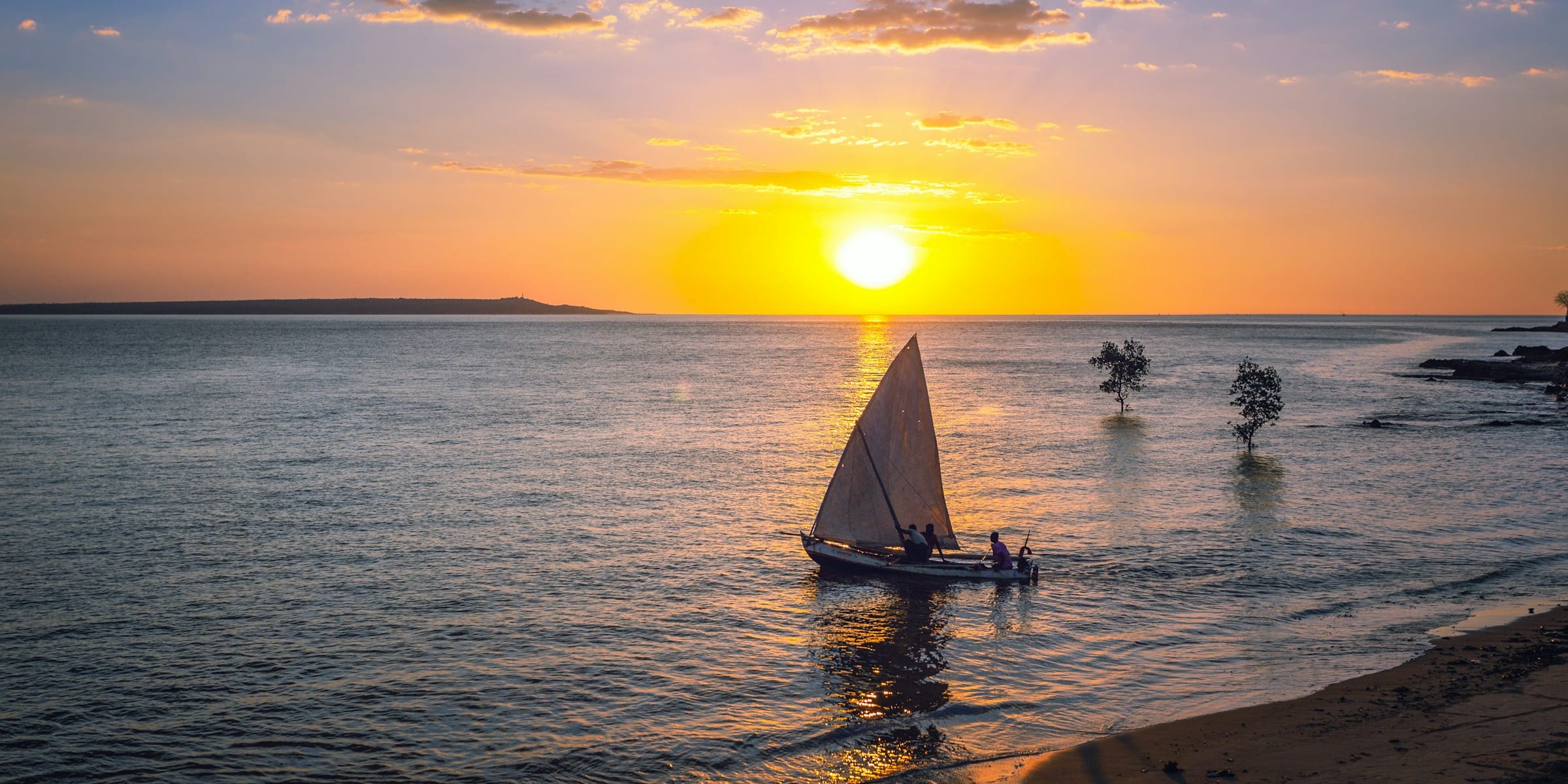
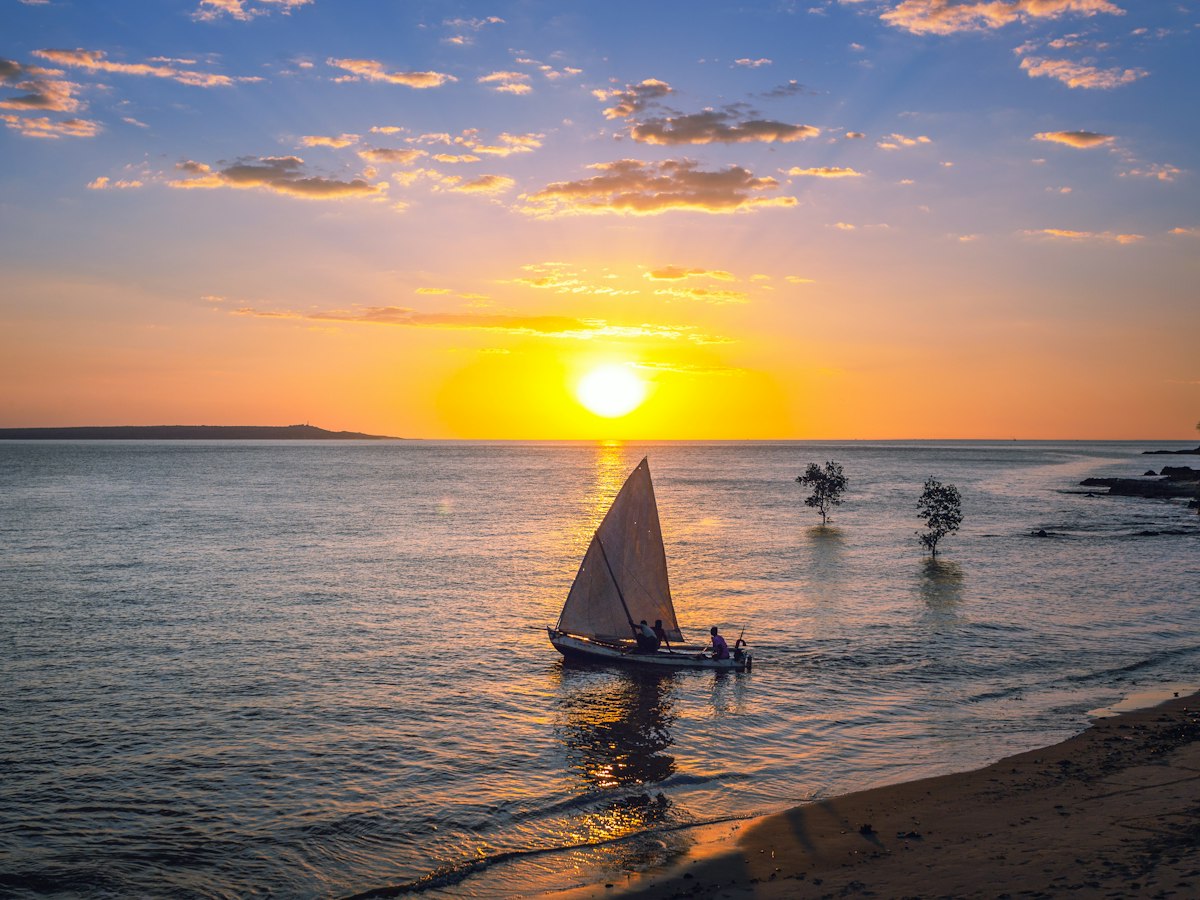
Sail from island to island aboard a traditional dhow around Nosy Be, or watch the sun sink into the Mozambique Channel from a catamaran near Mahajanga: the north-west coast reveals itself at the pace of the wind.
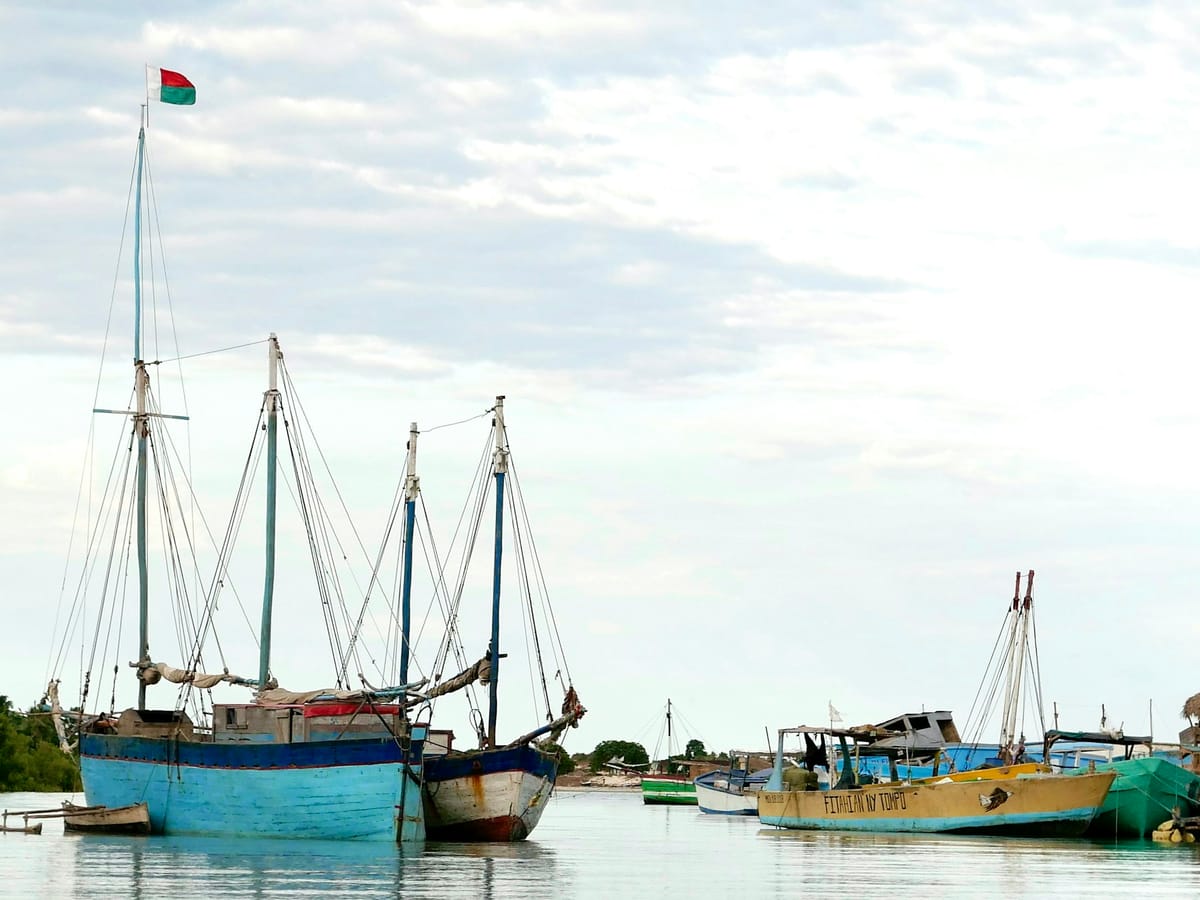
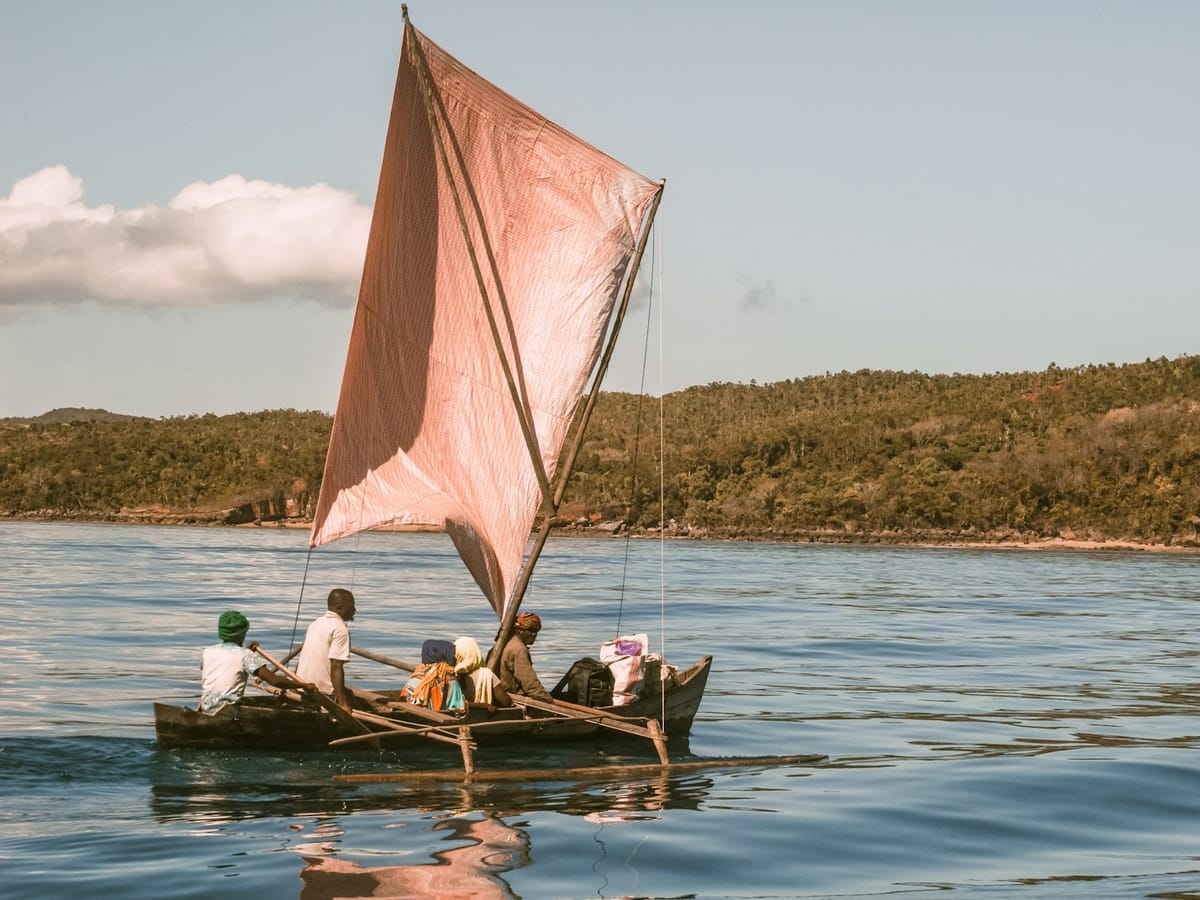
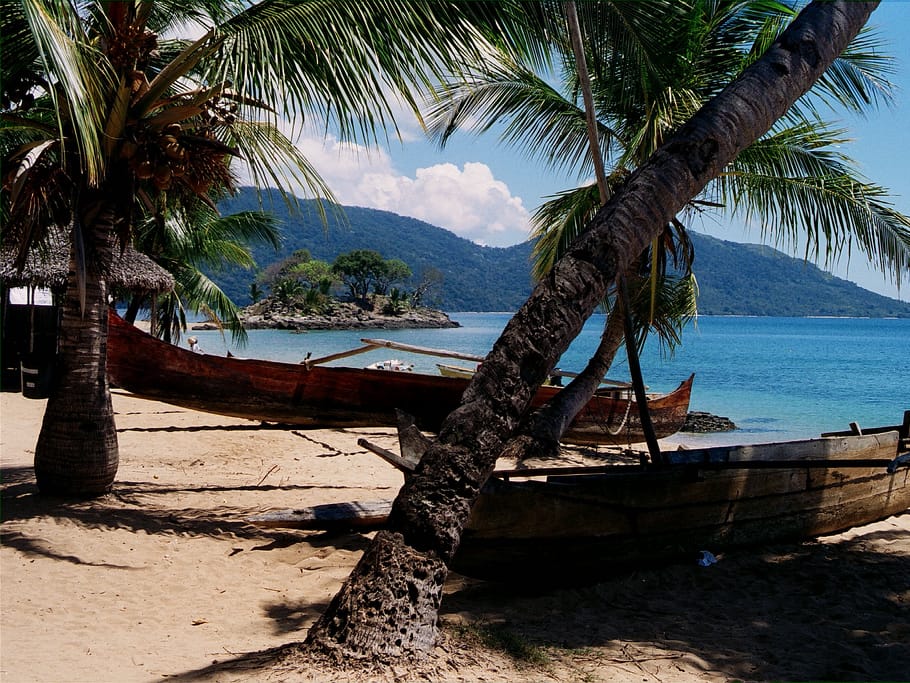
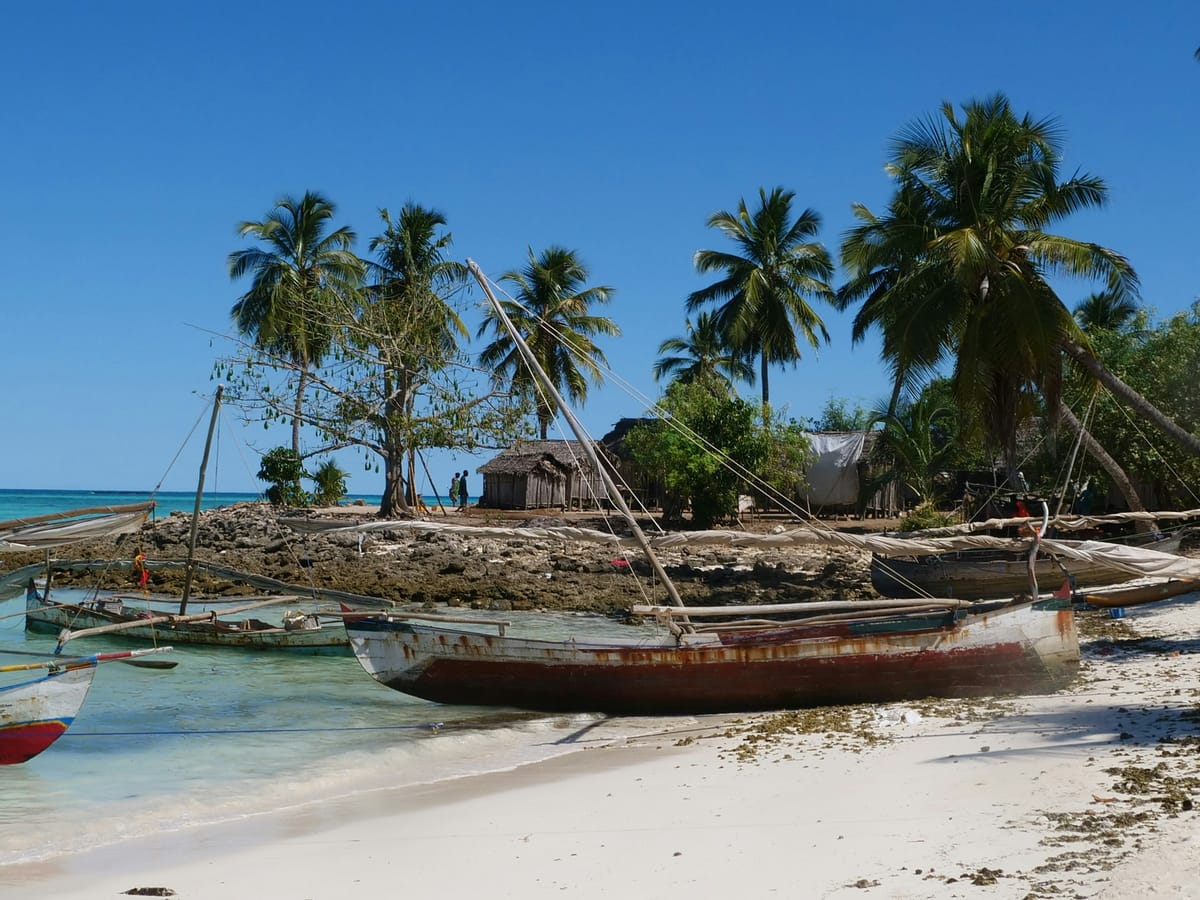
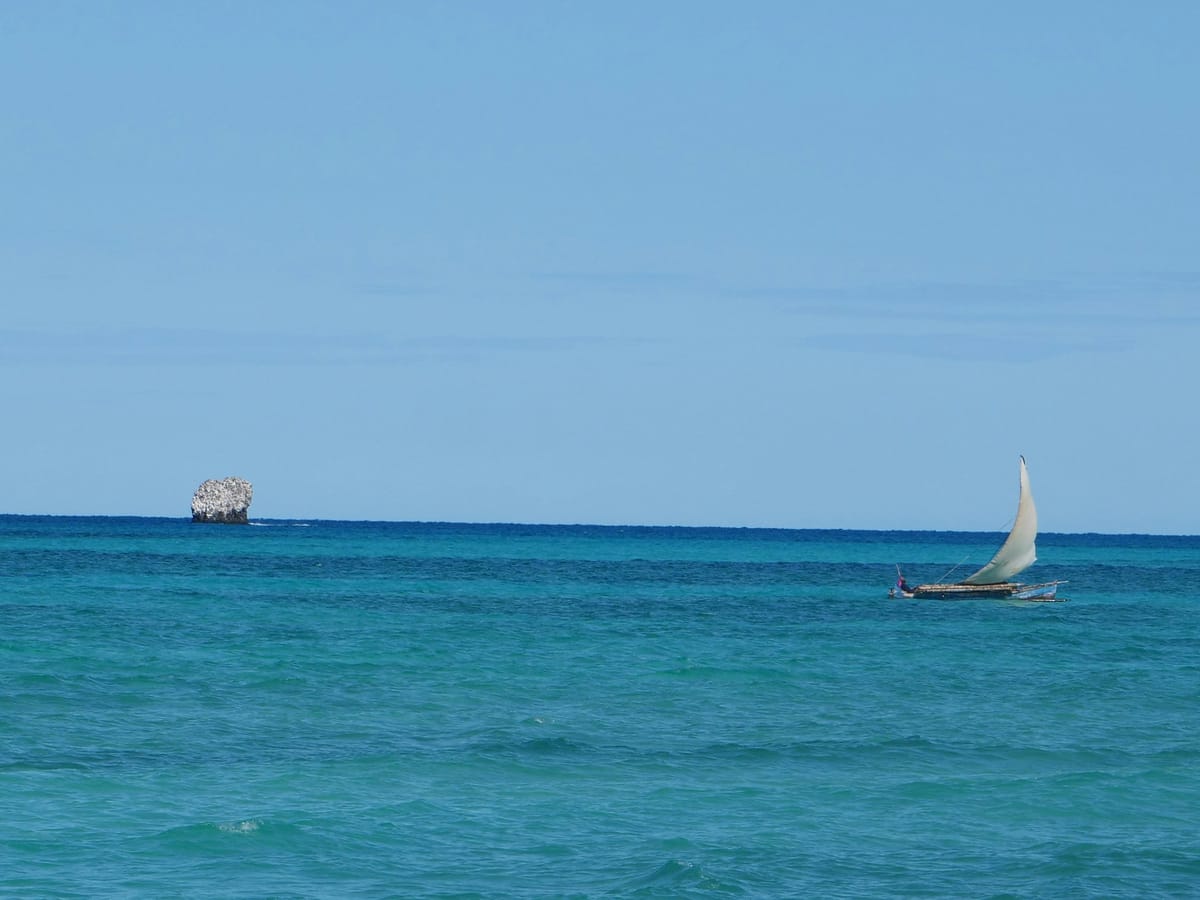
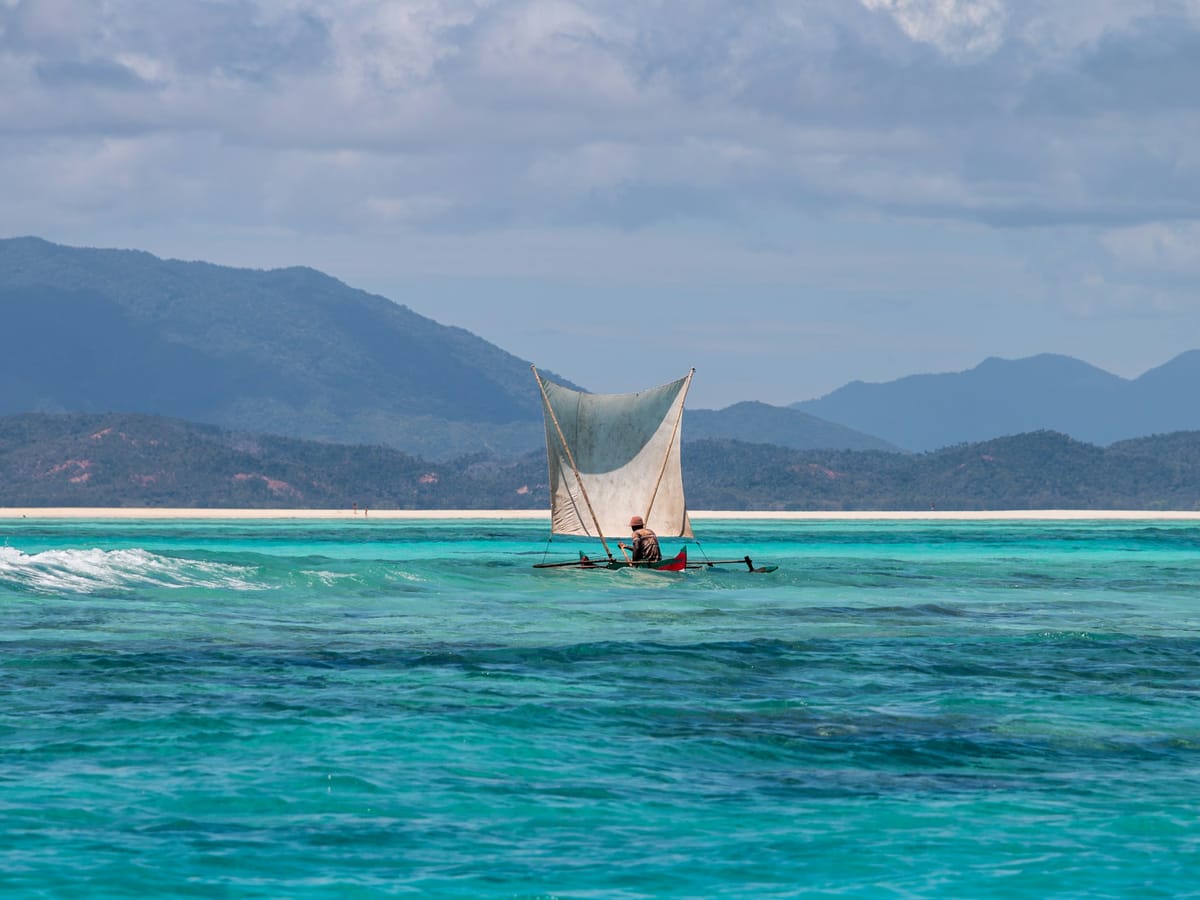
The dhow, or boutre, is the traditional sailing boat of Madagascar’s west coast: a wooden hull built by hand and canvas sails, a craft still very much alive in Belo-sur-Mer. Still used to carry goods along the coast, it also takes travellers from island to island around Nosy Be, for a day or on a cruise of several days, with a local crew who sail, fish and cook on board.
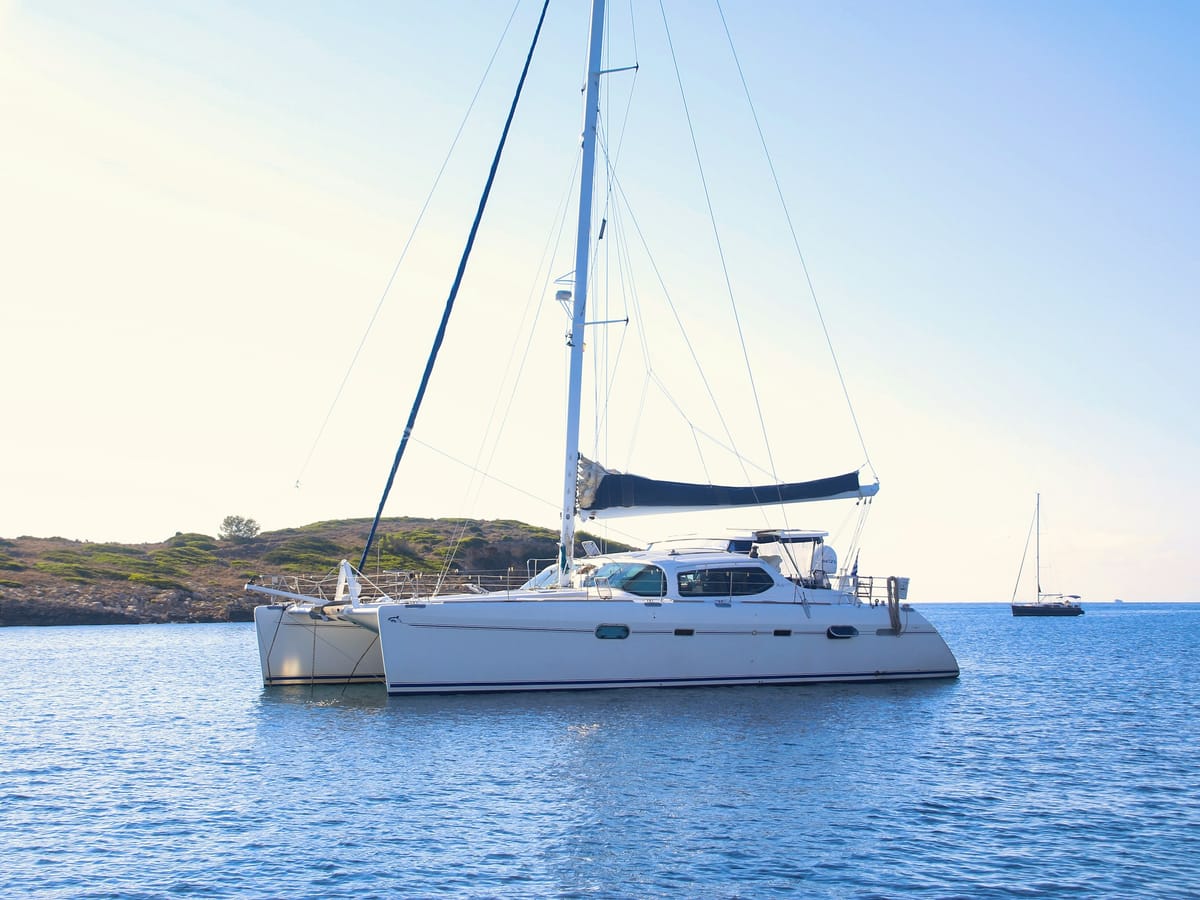
A catamaran offers more space and comfort: nets stretched above the water, a shaded saloon and a stability that families appreciate. Near Mahajanga, you board for a sunset cruise; around Nosy Be, you can book one for the day or for several days, with a skipper. Together we choose the option, the boat and the route, and we book them with local partners.
100% tailor-made
On the spot
Things to do and see
The highlights of the activity, arranged around your pace and your wishes.
Sail aboard a dhow
Help the crew hoist the sail, take the helm for a while if the captain hands it over, and let the breeze carry you along at the unhurried pace of a wooden boat.
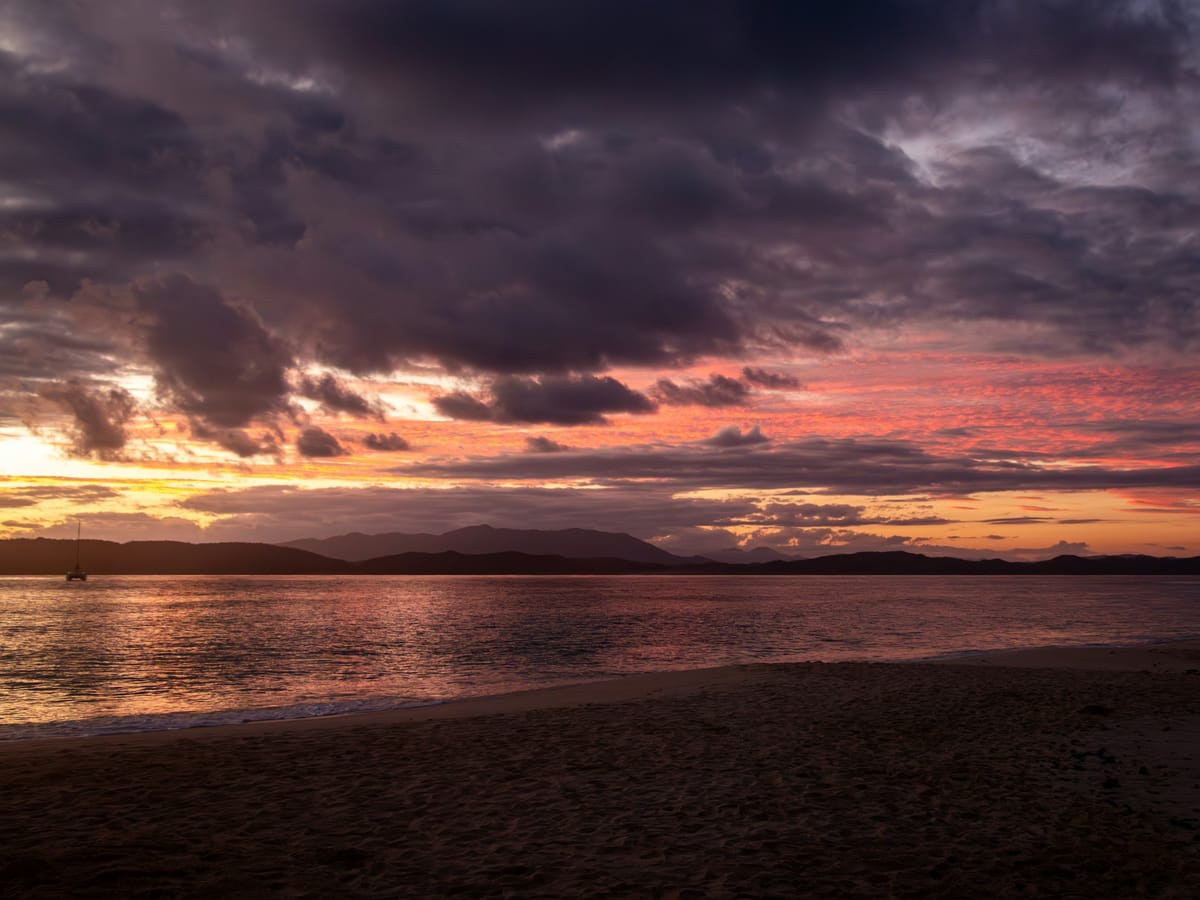
Raise a glass at sunset
Near Mahajanga, the catamaran sails along the coast in the late afternoon, with an aperitif, tapas and planter’s punch on board as the sky turns orange and pink.
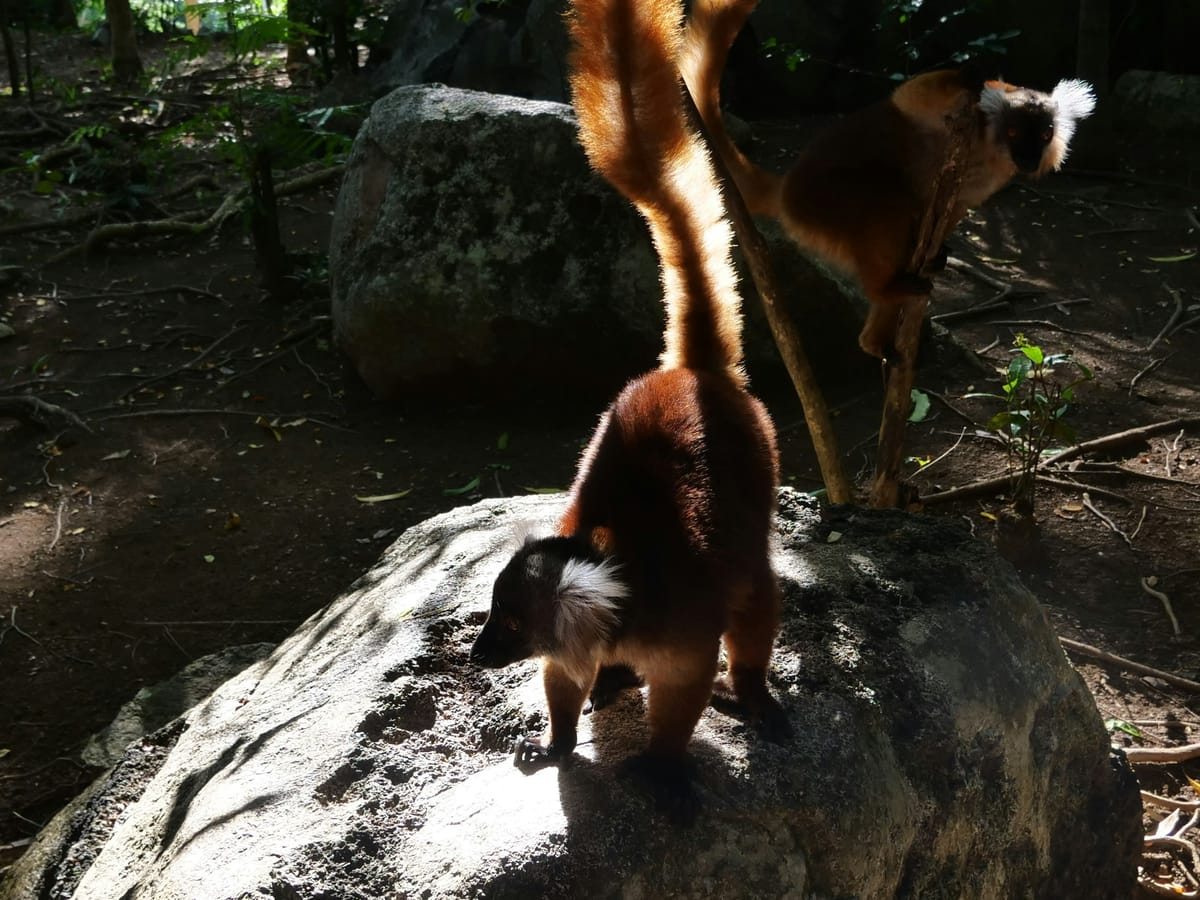
Meet Nosy Komba’s lemurs
Around the village of Ampangorinana, black lemurs roam freely near the houses, and the women embroider the tablecloths for which the island is known.
Snorkel over the reefs
Between stops, slip into the water with a mask and snorkel on the reefs of Nosy Tanikely or the Mitsio islands, among turtles and reef fish.
Sleep under the stars
On cruises of several days, nights are spent on board or camping on a deserted beach, around fish grilled by the crew.
Walk along the sandbar
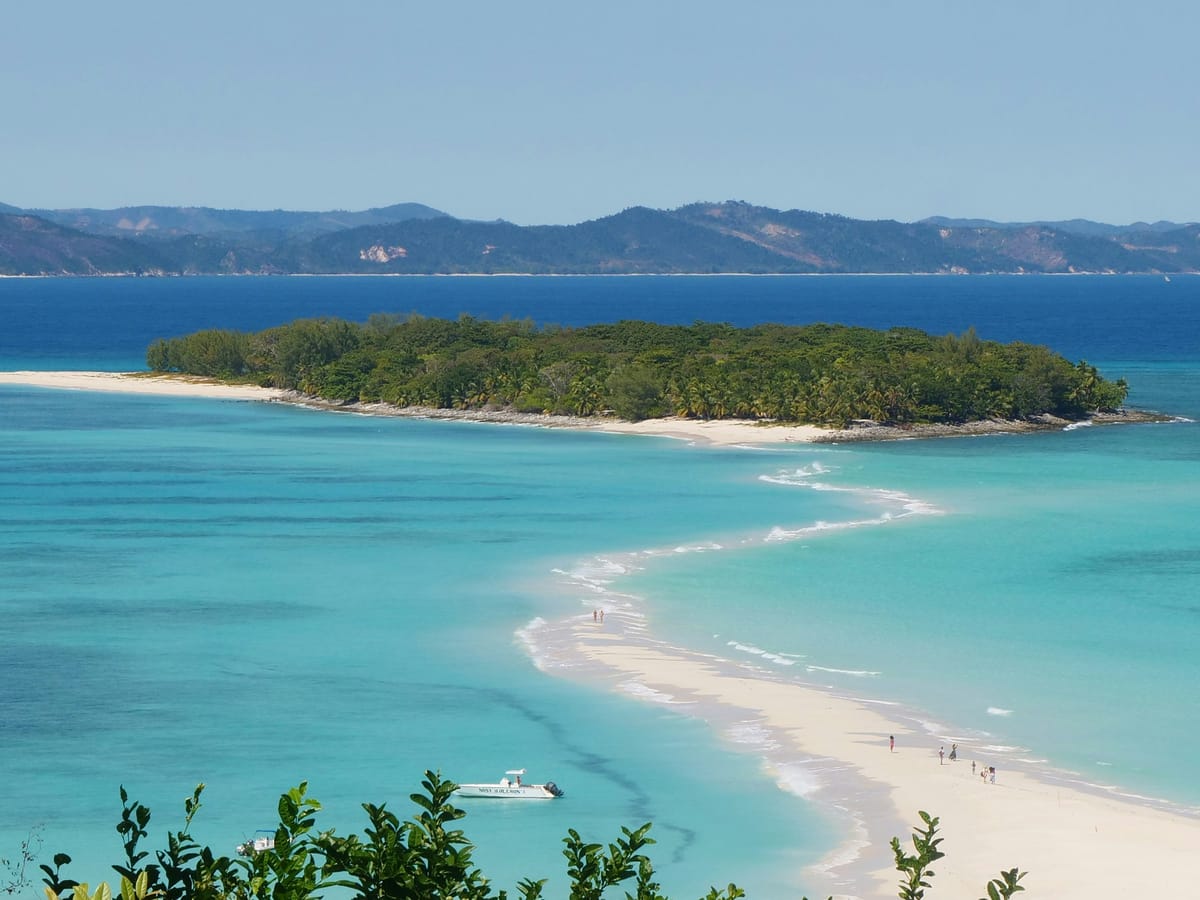
At low tide, the Nosy Iranja sandbar links its two islets: a walk with the sea on either side, looking out over the turquoise lagoon.
Destinations
Where to go
Our favourite places for this activity, to link together or to slot into one of our tours.
North-west, where cruises set sail
Nosy Be and its archipelagos
The home port for cruises in the north-west, Nosy Be looks out towards two archipelagos. To the north-east, some 70 kilometres away, the Mitsio islands offer deserted beaches, fishing villages and basalt columns on Grande Mitsio. To the south, the Radama islands and Russian Bay unfold over a cruise of several days, with nights spent on board or camping on the beach.
North-west, facing Nosy Be
Nosy Komba and Nosy Tanikely
A quarter of an hour by boat from Hell-Ville, Nosy Komba is the island of black lemurs, protected by a fady, or local taboo. In the village of Ampangorinana, women sell embroidered tablecloths and handicrafts. The day often continues on Nosy Tanikely, a marine national park where you can snorkel among turtles and reef fish.
North-west, south-west of Nosy Be
Nosy Iranja
Nosy Iranja is made up of two islets joined by a white sandbar about 1.2 kilometres long, which appears at low tide. Its beaches are a nesting site for green and hawksbill turtles. It can be reached on a day trip from Nosy Be, taking an hour and a half to two hours by speedboat, or as a stop on a dhow cruise.
North-west, Mahajanga coast
Mahajanga and Antsanitia
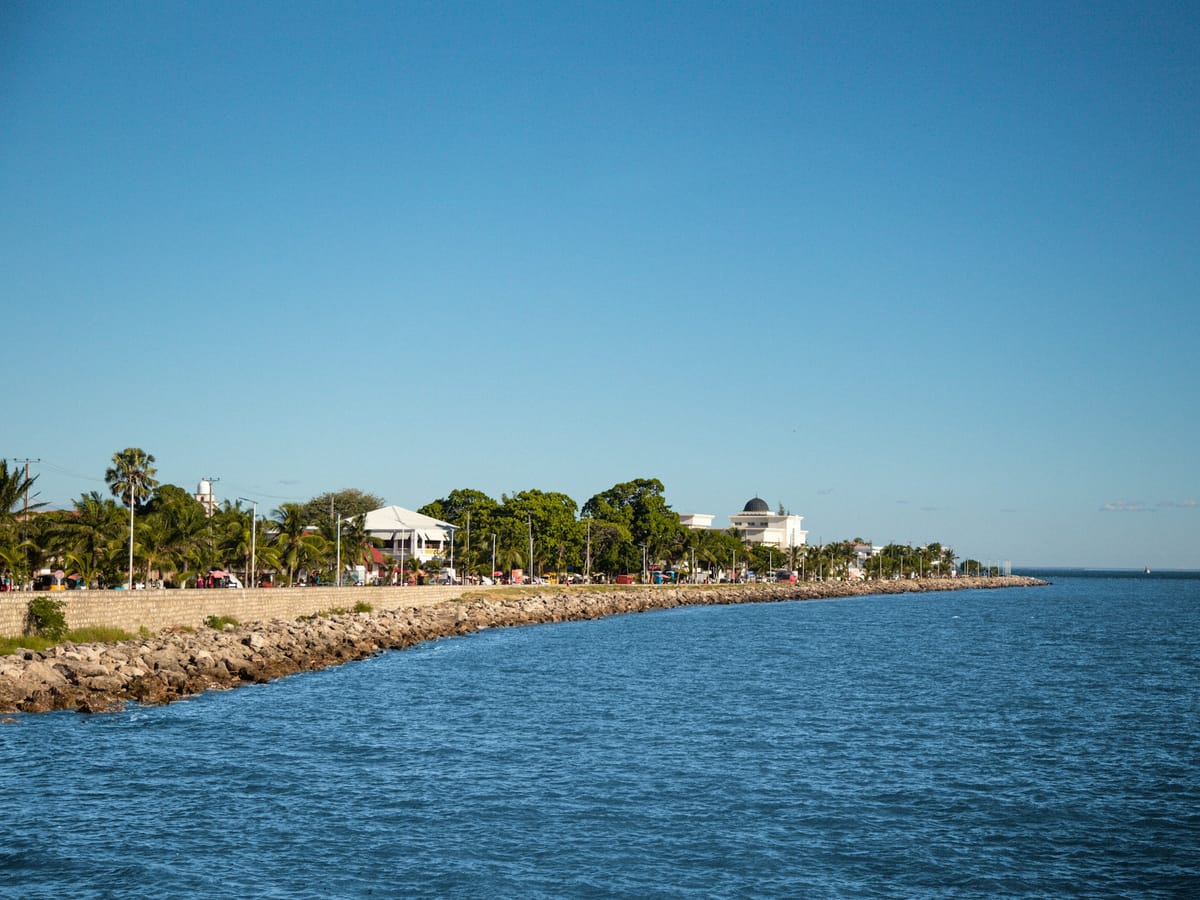
Some 20 kilometres north of Mahajanga, overlooking the Morira estuary, Antsanitia Resort has a catamaran for sunset trips. Our Zen and Back to the Roots tour includes one: around two and a half hours of coastal sailing, leaving at about 4 pm depending on the weather, with an aperitif, tapas and planter’s punch on board.
In pictures
The activity in photos
A few images of the activity and of the places where you can enjoy it.
The right time
When to go
The best time is from May to October, during the dry season: clear skies, a generally calm sea and steady trade winds, perfect for island-hopping. April, November and December are still possible, with more showers. From January to March, rain and the risk of cyclones make trips unpredictable, and cruises of several days are not advisable.
In August and September the wind blows hard in the afternoon, so it is best to sail in the morning.
From August to October, humpback whales frequent the waters around Nosy Be.
Near Mahajanga, the sunset cruise leaves at about 4 pm, weather permitting.
Month by month
Jannot advised
Febnot advised
Marnot advised
Aprpossible
Mayideal
Junideal
Julideal
Augideal
Sepideal
Octideal
Novpossible
Decpossible
Ideal
Possible
Not advised
This month
Recommended season: Best from May to October
In your bag
Gear and equipment
What is provided and what you should bring to make the most of the activity.
Provided
Boat, captain and local crew
Life jackets on board
Meals and water on cruises
Mask and snorkel on most trips
Tent and bedding for beach camps
What to bring
Swimwear and a towel
Mineral sunscreen and a hat
Sunglasses with a strap
Light windproof jacket for the evening
Dry bag for your phone and documents
Sandals or water shoes
Seasickness remedy if needed
Head torch for nights under canvas
Peace of mind
Safety advice
A few simple rules so you can enjoy the activity with peace of mind. On site, always follow your guide’s instructions: they know the ground and the conditions of the day.
Wear the life jacket provided on board, make sure children keep theirs on, and wear it during transfers by tender or pirogue to the beach.
The weather has the final say: in August and September the wind often picks up in the afternoon, and the captain may change the route or postpone the trip.
If you are prone to seasickness, take a remedy before boarding, stay on deck and keep your eyes on the horizon.
Protect yourself from the sun, which is fierce on the water even when it is hazy: hat, sunglasses, rash vest and mineral sunscreen reapplied after every swim.
Drink bottled or treated water regularly, and keep a supply within reach for the longer crossings.
Only swim where the crew advises, away from currents and passing boats, and never touch the coral or the turtles.
Seek medical advice before you travel about malaria, which is present on the coast, and take out insurance that covers repatriation.
With BEMIRAY
Why choose this activity?
A cruise made for you
A day trip, a sunset catamaran cruise or several days aboard a dhow: together we choose the boat, the route and the level of comfort that suit you best.
Part of your tour
The cruise slots into your tailor-made trip: domestic flights, transfers to the harbour and hotel nights are all arranged in one go, with a reply within 48 hours.
Local crews at the helm
We work with local partners: captains and sailors who know every anchorage, the winds and the coastal villages, and who are happy to share their know-how.
Respect for the sea
Anchoring away from the coral, rubbish taken back ashore, a respectful distance from turtles and whales: we favour partners who sail with care for nature and for the villages.
Good to know
Your questions
Another question? Our team replies within 48 hours, in English or in French.
No: the captain and crew take care of everything, and you simply enjoy the scenery. If you feel like it, the crew will often let you lend a hand with the sails. Being able to swim is a plus when you go in the water, and life jackets are always available on board.
Where do you sleep on a cruise of several days?
Depending on the boat, on board, in a cabin or on deck, or in a tent on a beach. Comfort is simple on a dhow and more cosy on a catamaran: we explain the conditions of each option before you book.
Can children come aboard?
Yes, day trips and sunset cruises suit families, with a life jacket sized for each child. For a cruise of several days with beach camping, it is best if children are already at ease at sea: let’s talk it through according to their age.
Can I combine a cruise with a tour?
Yes: the sunset cruise features on our Zen and Back to the Roots tour, and Nosy Be rounds off two of our itineraries. We can add a boat trip during the free days, or a few days of sailing at the end of your trip.
What exactly is a dhow?
It is a traditional wooden sailing boat, long used for trade along the shores of the Indian Ocean. In Belo-sur-Mer, Vezo carpenters still build them by hand, and many are still used for fishing and for carrying goods along the west coast.
Is tipping customary?
Tips are never compulsory, but the crew always appreciates them, especially after a cruise of several days. Your guide will happily explain local customs.
Combine it
Our tours with this activity
Find this activity on these itineraries, or add it to the tour of your choice: every trip is tailored to your wishes.