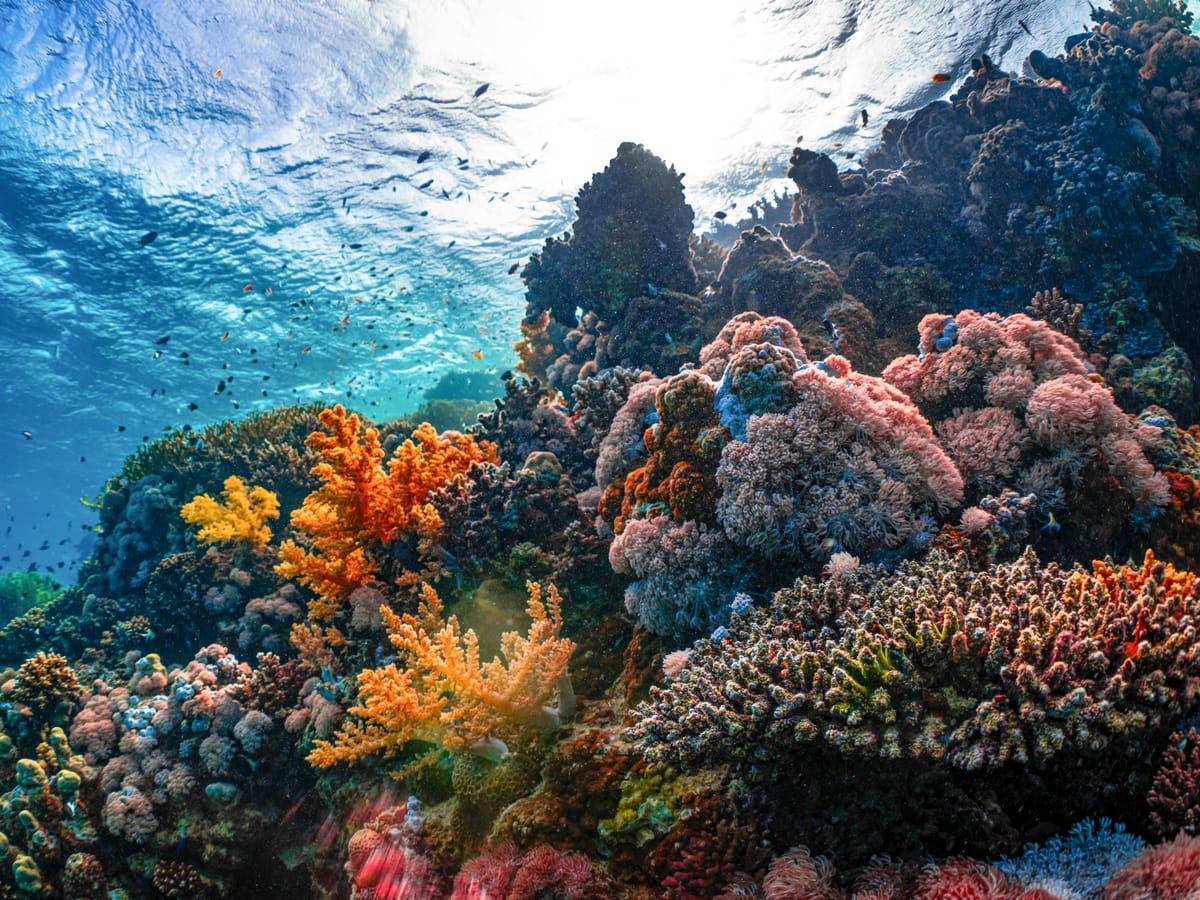
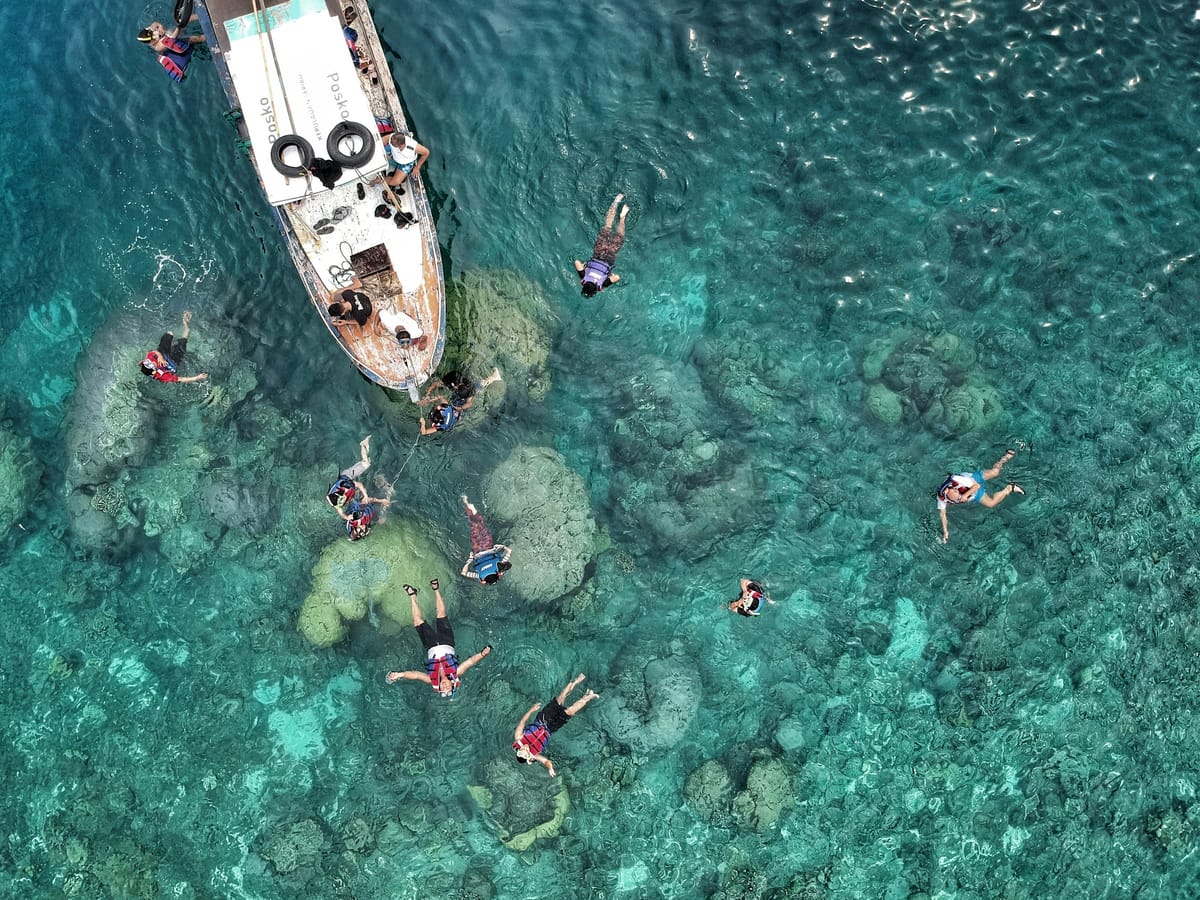
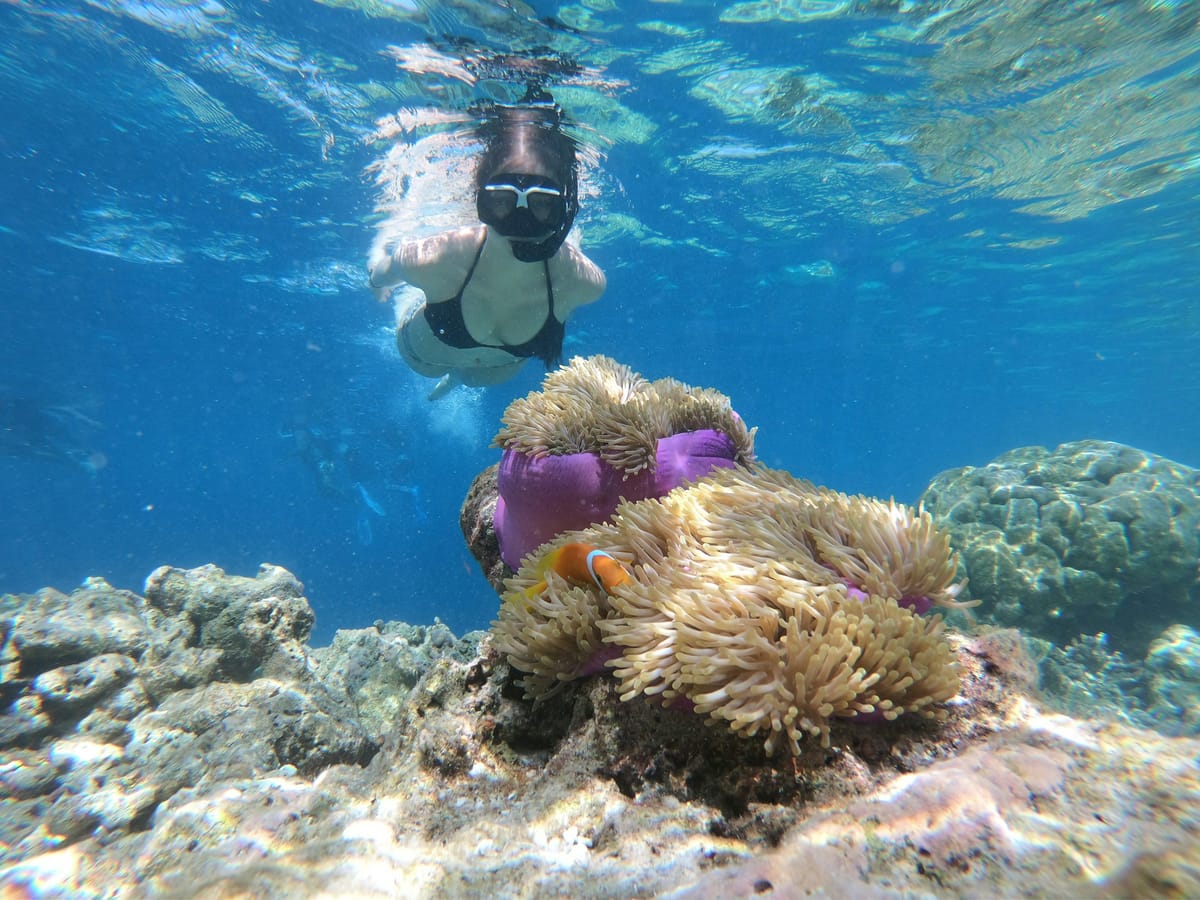
A mask and snorkel in a turquoise lagoon, or your first breaths underwater beside an instructor: around Nosy Be, at Ifaty or on Sainte-Marie, Madagascar’s coral reefs are easy to discover, sometimes alongside sea turtles.
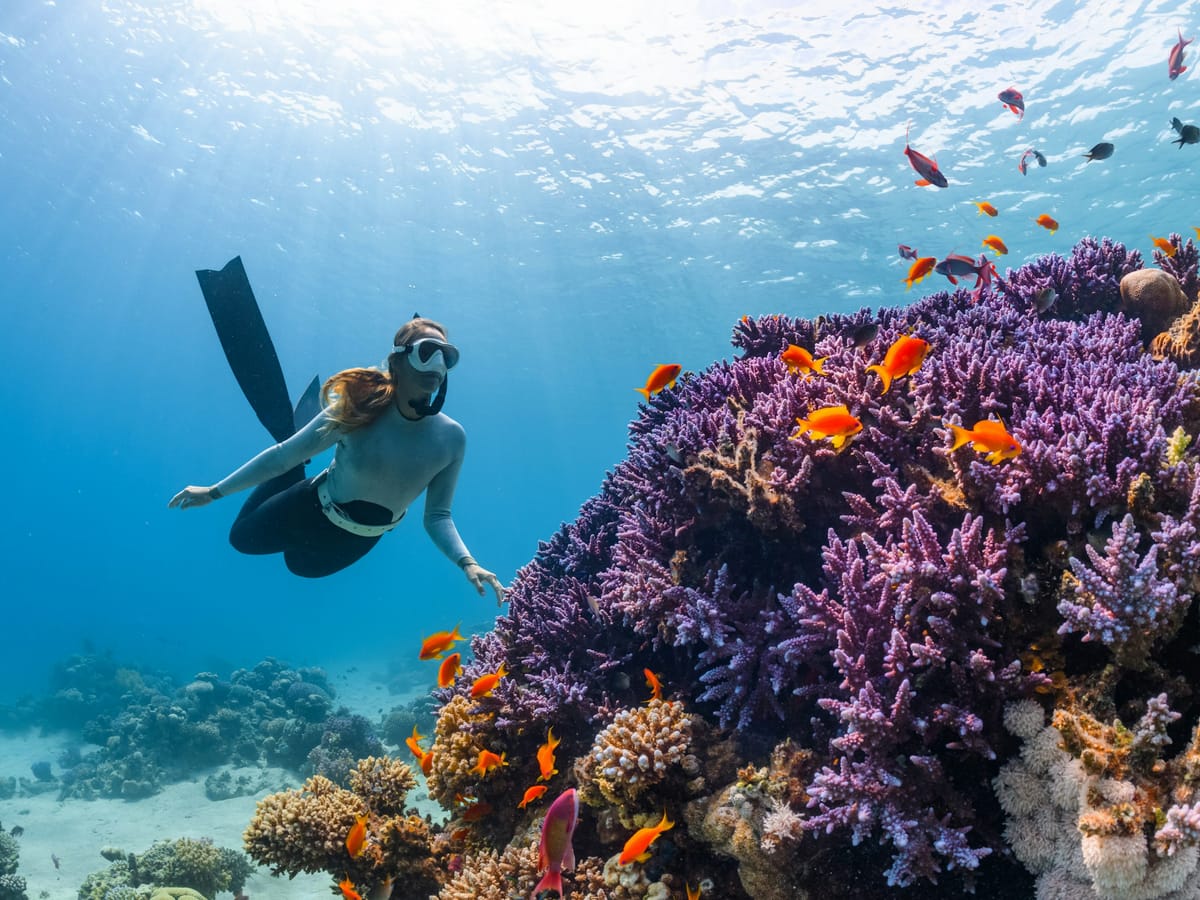
Snorkelling needs nothing more than a mask, a snorkel and fins: you swim on the surface above the reef, watching the coral, reef fish and, with a little luck, turtles a few metres below. Open to any confident swimmer, it can be enjoyed straight from the beach or on a boat trip out to an islet or a marine park.
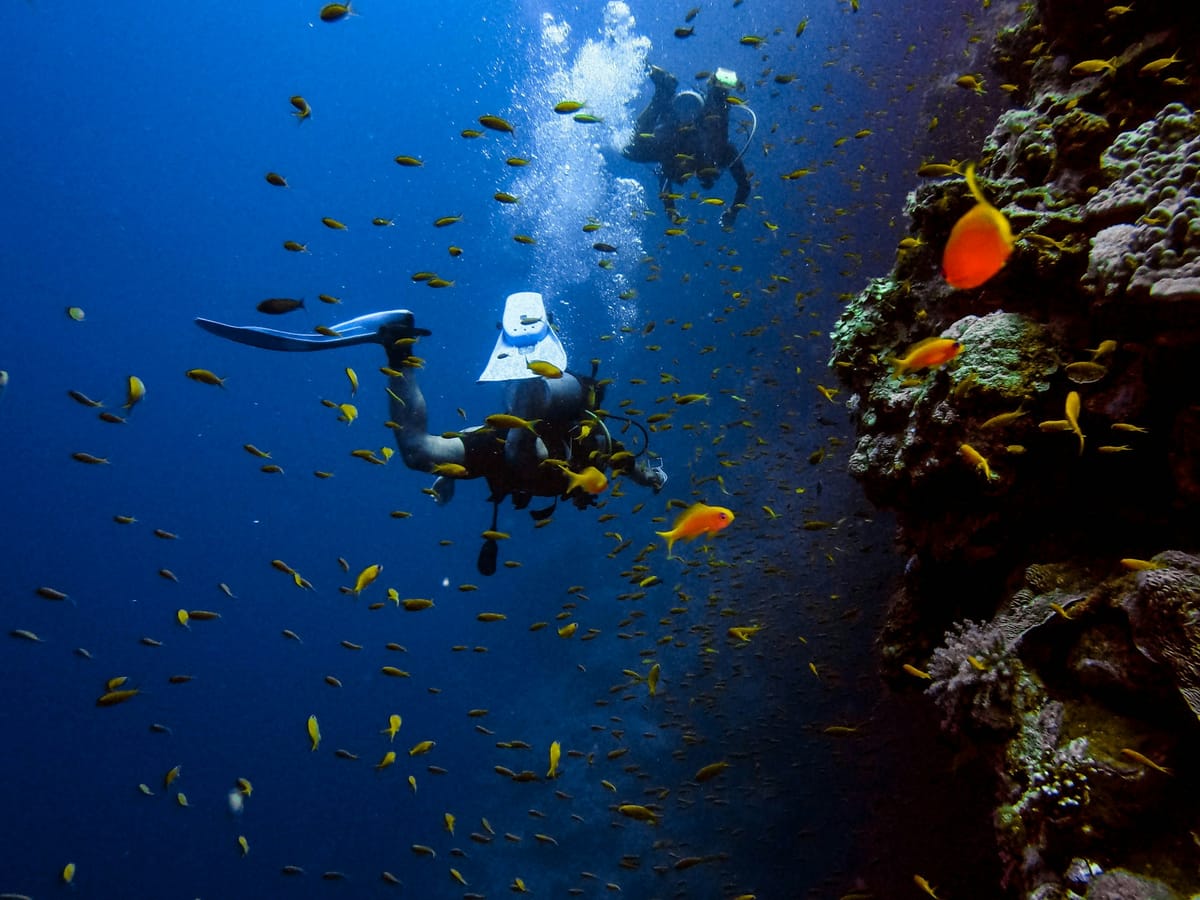
Scuba diving can be tried on an introductory dive with an instructor, with no qualification or experience needed. Certified divers join local dive centres for trips to drop-offs, coral heads or wrecks. We build these outings into your tailor-made trip and book them with local partners, according to your level and your wishes.
100% tailor-made
On the spot
Things to do and see
The highlights of the activity, arranged around your pace and your wishes.
Swim with sea turtles
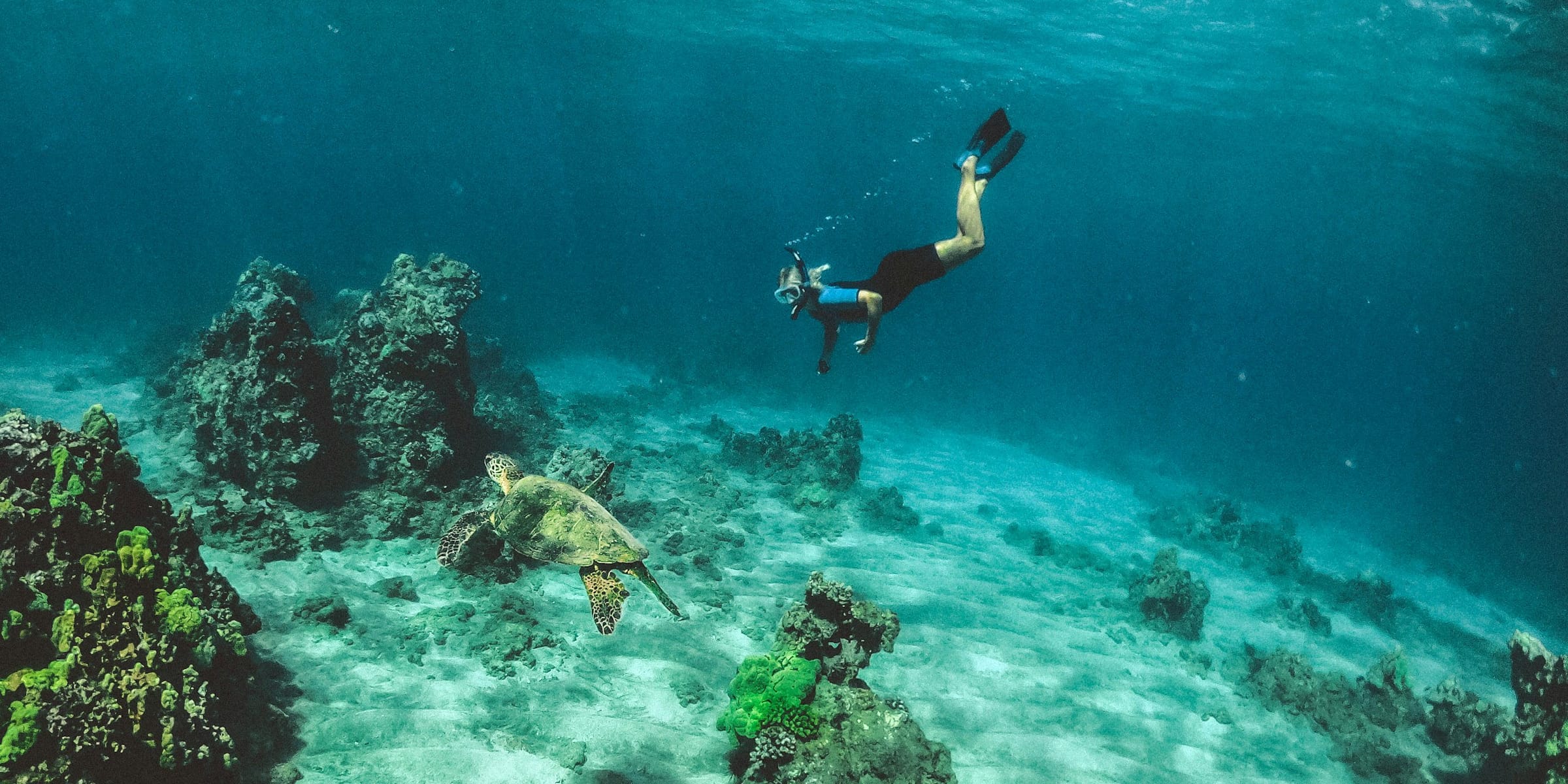
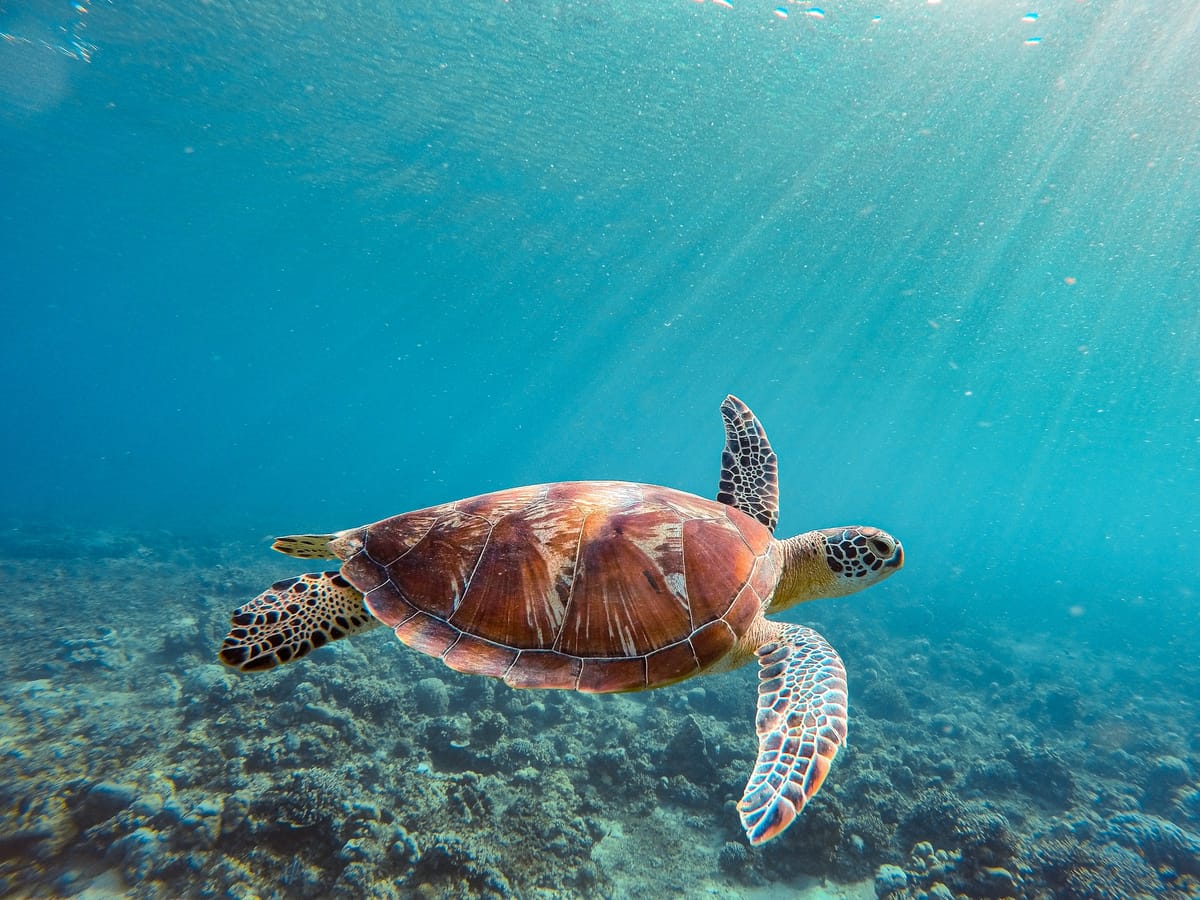
In the seagrass beds of Nosy Tanikely, green turtles come to feed in shallow water: watch them from the surface, without ever touching or chasing them.
Explore a marine park
No fishing, well-preserved coral and plenty of fish close to shore: Nosy Tanikely Marine National Park offers some of the finest snorkelling in the north.
Take your first dive
A briefing on dry land, a few exercises in the shallows, then a descent of a few metres beside your instructor: the best way to discover diving with confidence.
Head out to the reef
At Ifaty, a short boat ride takes you to the barrier reef, where divers come across shoals of fish, rays, turtles and moray eels, depending on the site.
Earn a first qualification
Some dive centres on Nosy Be and at Ifaty run courses over a few days, so you can go home with an internationally recognised entry-level certification.
Picnic on an islet
Between swims, lunch on the beach of an islet or in a fishing village, followed by a nap in the shade before one last dip.
Destinations
Where to go
Our favourite places for this activity, to link together or to slot into one of our tours.
North-west, around Nosy Be
Nosy Be archipelago
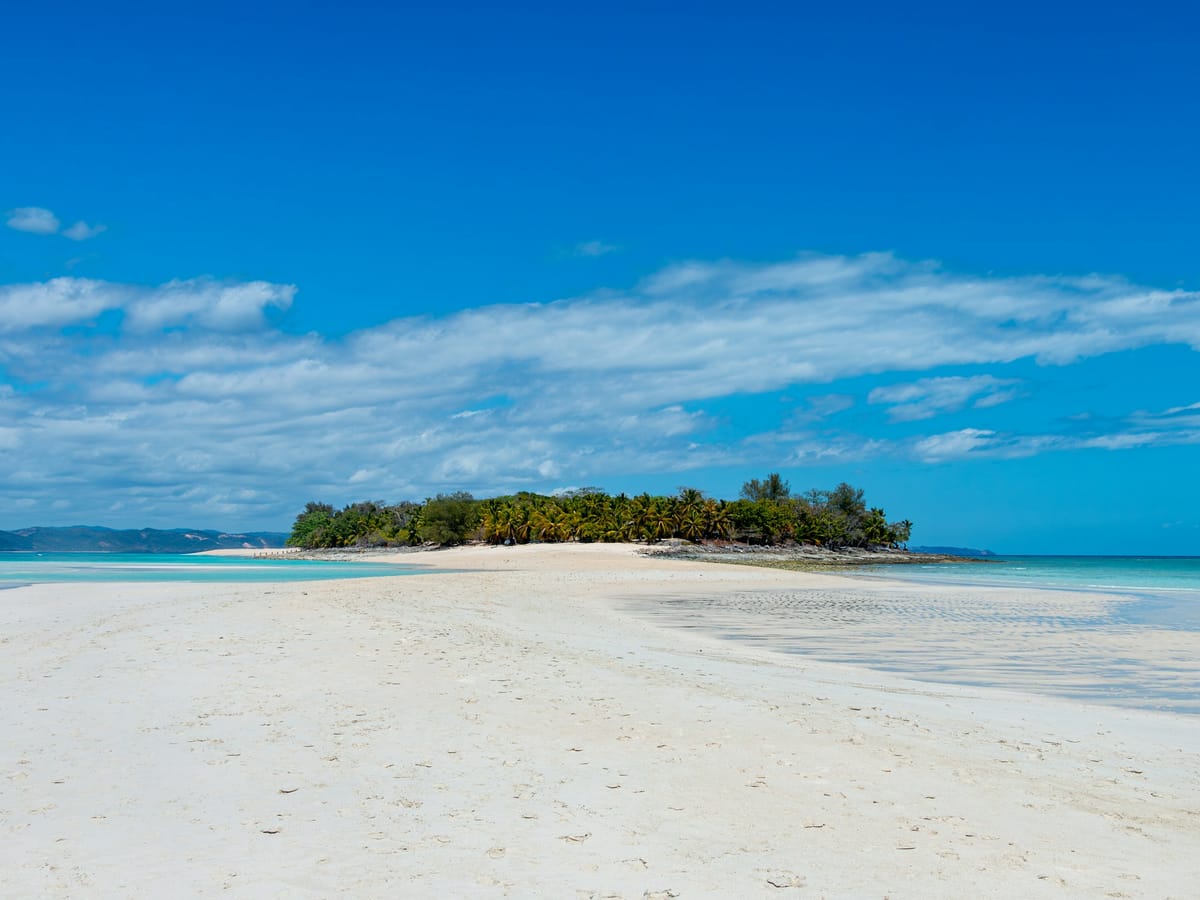
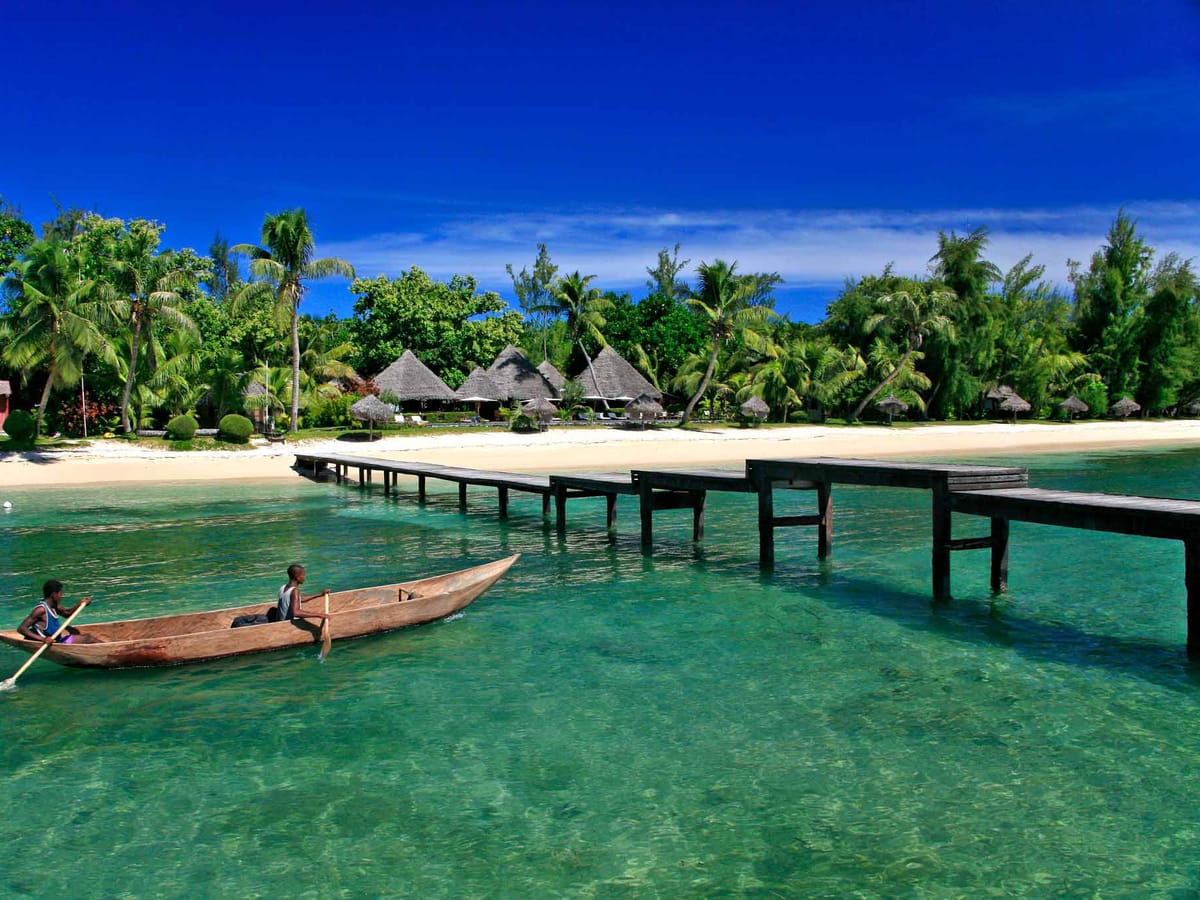
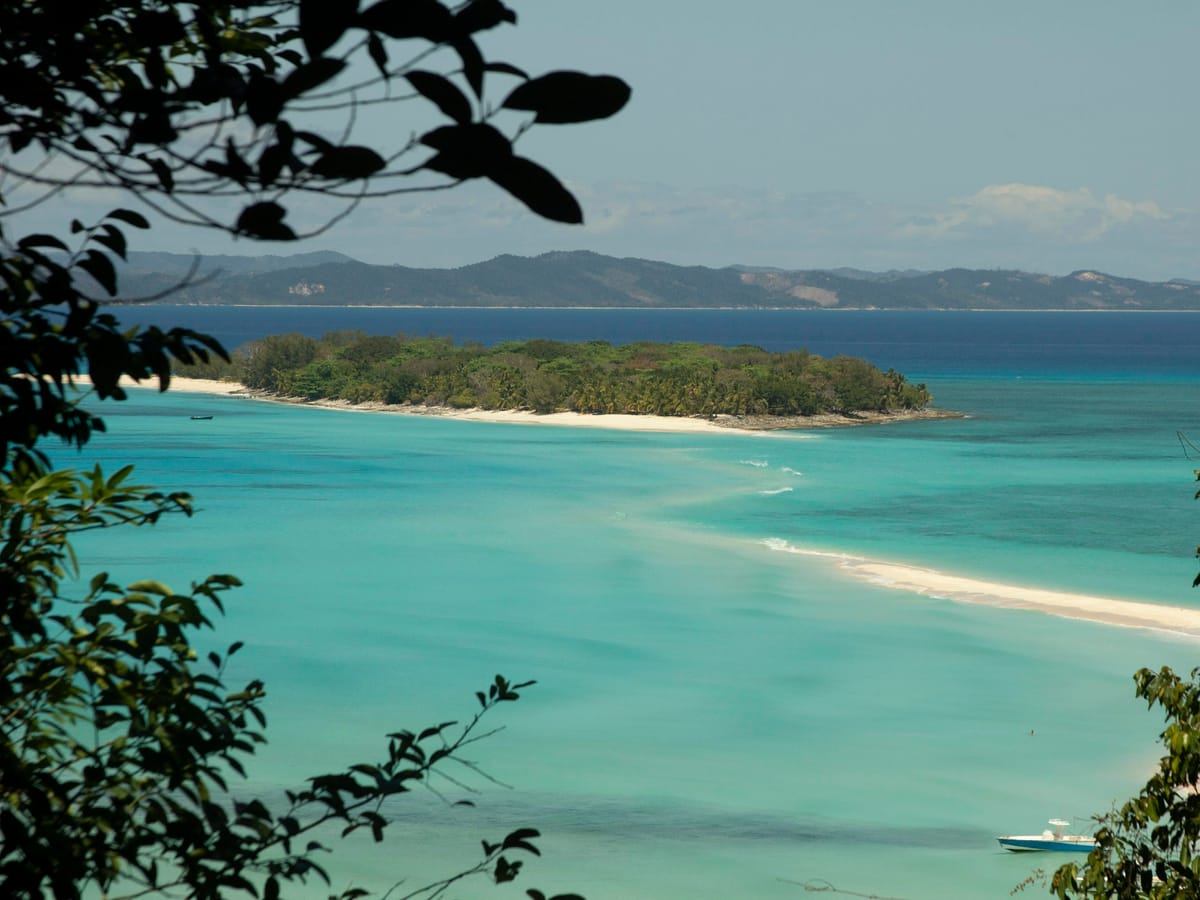
About half an hour by boat from Nosy Be, Nosy Tanikely Marine National Park offers some of the finest snorkelling in the area: no fishing, well-preserved coral and green turtles grazing in the seagrass. Divers also head for Nosy Sakatia or, on a cruise, the reefs of the Mitsio islands, while the beaches of Nosy Iranja are perfect for a swim.
South-west, north of Toliara
Ifaty and Mangily
These Vezo fishing villages line a lagoon sheltered by a long barrier reef. Dive centres offer try-dives and trips out to the reef, a short boat ride from the beach, while swimmers explore the lagoon with mask and snorkel. A stop on our Myth and Legend and Immersive Journey tours, with time to enjoy the seaside.
East coast, Nosy Boraha island
Sainte-Marie and Île aux Nattes
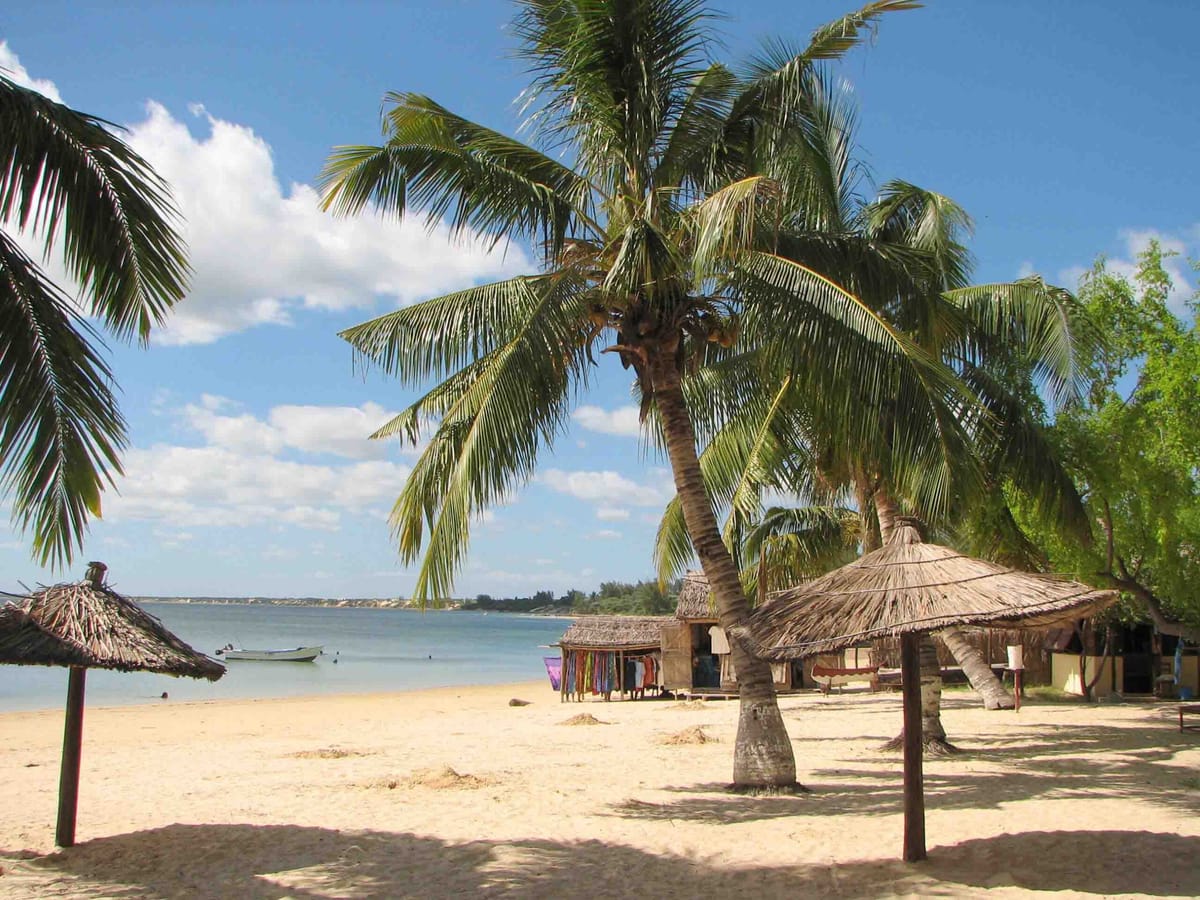
Around Sainte-Marie, some fringing reefs can be explored straight from the beach, among tropical fish and, now and then, sea turtles. A few hundred metres off the southern tip, Île aux Nattes is reached by pirogue for its turquoise lagoon. From July to September, boat trips may cross paths with humpback whales.
South-east, near Fort-Dauphin
Lokaro Bay
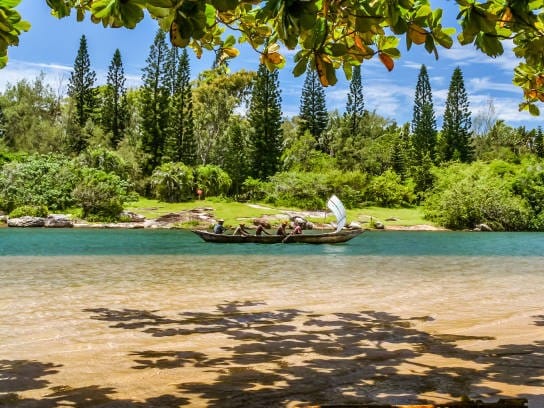
A short 4×4 drive, two hours along a mangrove-lined river to the fishing village of Evatra and a walk of a few hours bring you to Lokaro Bay, with its deserted coves and turquoise water. Our luxury tour spends a day here swimming, snorkelling and relaxing, with a lunch of grilled seafood prepared by the local fishermen.
In pictures
The activity in photos
A few images of the activity and of the places where you can enjoy it.
The right time
When to go
The best time is from April to November, during the dry season: the sea is calmer, the water clearer, and it stays at around 24 to 26 °C in the heart of the southern winter, depending on the region. From October to December the water warms up and plankton slightly reduces visibility, but this is also whale shark season off Nosy Be. From January to March, rain and cyclones make trips unpredictable.
In the morning, before the wind picks up, the sea is usually calmer.
Whale sharks off Nosy Be: mainly in October and November.
On Sainte-Marie, July to September is also whale season.
Month by month
Jannot advised
Febnot advised
Marpossible
Aprideal
Mayideal
Junideal
Julideal
Augideal
Sepideal
Octideal
Novideal
Decpossible
Ideal
Possible
Not advised
This month
Recommended season: Best from April to November
In your bag
Gear and equipment
What is provided and what you should bring to make the most of the activity.
Provided
Mask, snorkel and fins on organised trips
Wetsuit, BCD and tank for diving
An instructor or guide
Boat and skipper to reach the sites
What to bring
Swimwear and a towel
Reef-safe mineral sunscreen
Rash vest or UV-protective T-shirt
Certification card and logbook if you are qualified
Medical certificate if the dive centre asks for one
Your own prescription mask, if you have one
Dry bag for your phone and documents
Hat and water for the boat
Peace of mind
Safety advice
A few simple rules so you can enjoy the activity with peace of mind. On site, always follow your guide’s instructions: they know the ground and the conditions of the day.
Never touch coral or marine life: some corals sting, sea urchins are common and stonefish blend perfectly into the seabed.
Keep your distance from turtles and whale sharks, never blocking their path or trying to touch them.
Always swim with a buddy, stay close to the boat or the guide and check the currents and tide before venturing further out.
For scuba diving, choose a recognised dive centre and be honest about your experience, any health problems and your medication.
Wait at least 12 hours after a single dive, and 18 hours after several dives in a day or several days of diving, before you fly.
Protect yourself from the sun with a rash vest and mineral sunscreen: on the surface, your back and neck burn very quickly.
Take out insurance that covers diving and repatriation, as specialist medical care is scarce away from the main towns.
With BEMIRAY
Why choose this activity?
Trips matched to your level
Family snorkelling, a try-dive or dives for certified divers: together we choose the site, the local partner and the pace that suit you best.
Part of your itinerary
Diving slots straight into your tailor-made tour: transfers, domestic flights and nights by the sea are all arranged in one go, with a reply within 48 hours.
Respect for the reefs
We favour marine parks and partners who follow the regulations, so that the coral, the turtles and the fishing villages also benefit from your visit.
Attentive local guides
Our local guides take you to the boat, introduce you to life in the fishing villages and make sure every day runs smoothly.
Good to know
Your questions
Another question? Our team replies within 48 hours, in English or in French.
Yes, you need to be comfortable in the water, even though a buoyancy vest or wetsuit helps you float. For less confident swimmers, we choose shallow lagoons reached from the beach, with a guide close by.
How old do you have to be to dive?
Snorkelling suits children who swim well, under adult supervision. For scuba diving, children’s programmes generally start at 8 in shallow water, and the first junior certification at 10; each dive centre sets its own rules.
Do I need a medical certificate for a try-dive?
A health questionnaire is often enough, but some dive centres ask for a certificate. See your doctor if you have asthma, heart or ear problems, and mention your antimalarial medication; scuba diving is not advised during pregnancy.
Can I combine diving with a tour?
Yes: Sainte-Marie rounds off our eastern tour and Nosy Be two of our itineraries, while Ifaty and Salary, in the south-west, provide free days by the sea on three other trips. We add one or more outings, or a few extra days on the coast.
How can I take good underwater photos?
A waterproof camera or a phone housing is all you need on the surface. Keep your distance from turtles, avoid using a flash and never lean on the coral to frame a shot: the best picture is the one that leaves the animal undisturbed.
Is tipping customary?
Tips are never compulsory, but the boat crew and guides always appreciate them when you have enjoyed the trip. Your guide will happily explain local customs.
Combine it
Our tours with this activity
Find this activity on these itineraries, or add it to the tour of your choice: every trip is tailored to your wishes.