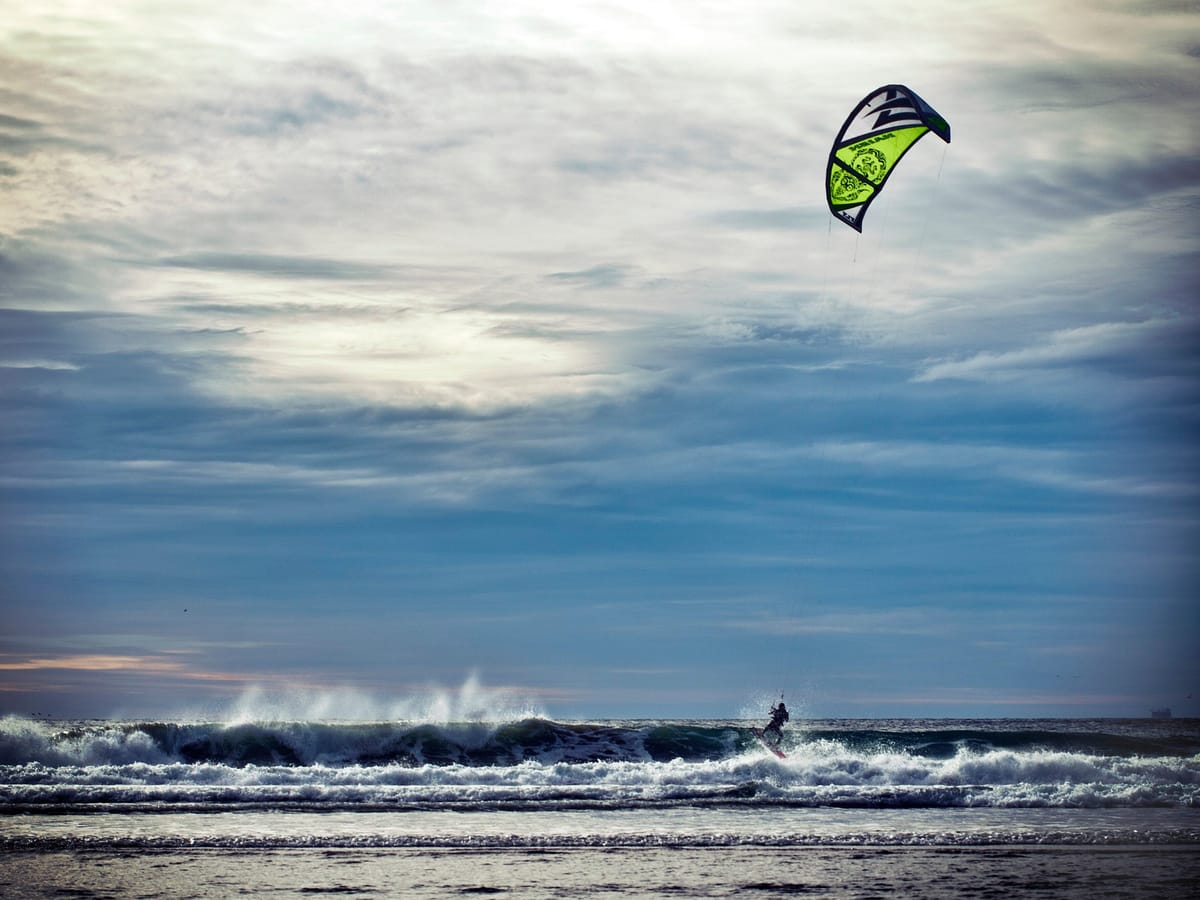
Driven by the Varatraza, the trade wind that sweeps the north of the island from April to November, kitesurfing in Madagascar means turquoise lagoons sheltered by the reef, from your first lesson to long sessions.
Kitesurfing combines the pull of a traction kite with the glide of a board. In Madagascar, it is mostly enjoyed in the north of the island, around Diego-Suarez, where the Varatraza, the south-east trade wind, blows with remarkable consistency from April to November. In the south-west, around Toliara, the wind takes over from June to October.
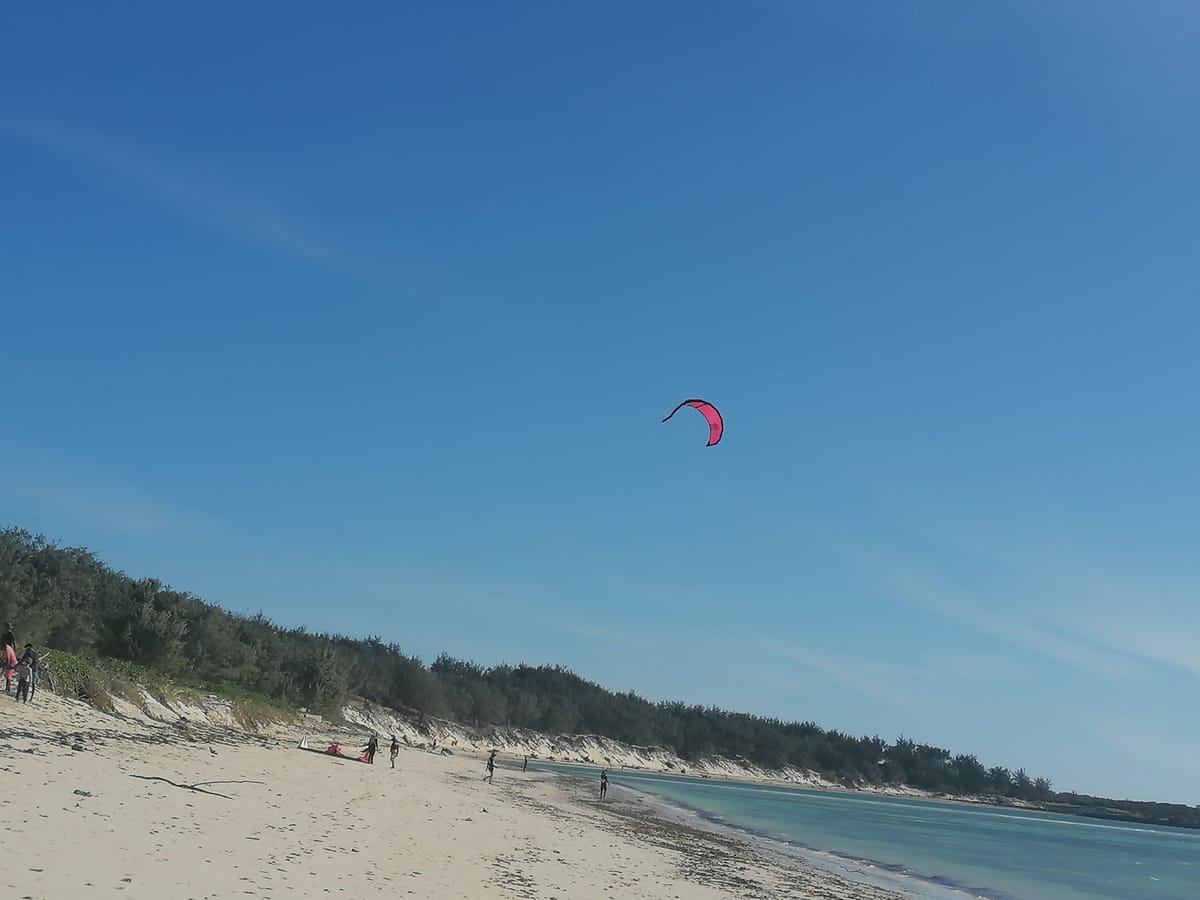
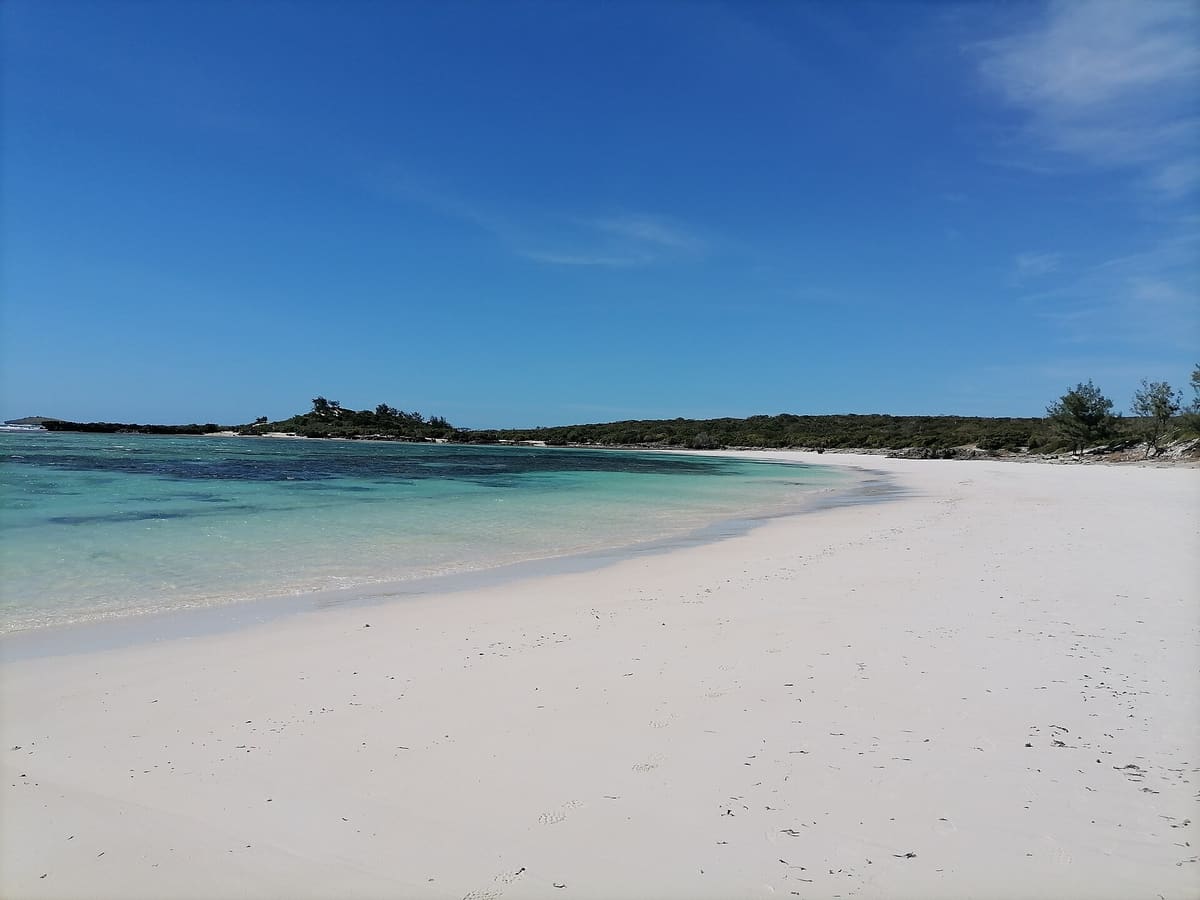
The finest spots are lagoons enclosed by a coral reef: the water is flat and shallow, and the wind, blowing towards the beach, naturally brings you back to shore. Reassuring conditions for a first lesson with an instructor, and a perfect playground for progressing, jumping or linking long runs.
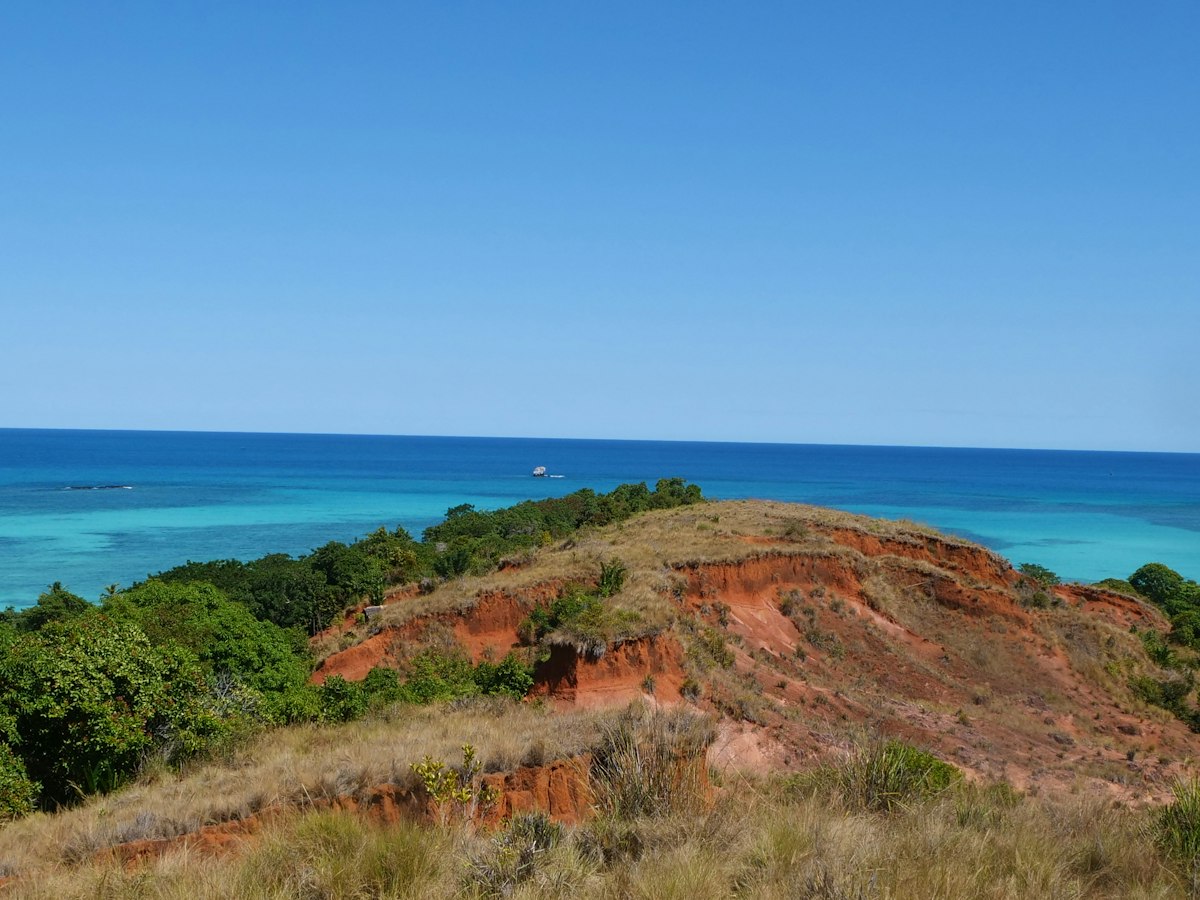
We plan your stay around the wind: accommodation close to the spots, lessons or equipment hire with local schools, transfers and boat trips to the more remote lagoons. Windless days are ideal for other discoveries: Amber Mountain, the Red Tsingy or the fishing villages.
100% tailor-made
On the spot
Things to do and see
The highlights of the activity, arranged around your pace and your wishes.
Learn in Sakalava Bay
On the bay’s flat, shallow water, an instructor guides you from your first handling of the kite to your first runs, with the wind blowing you back towards the beach.
Ride the Emerald Sea
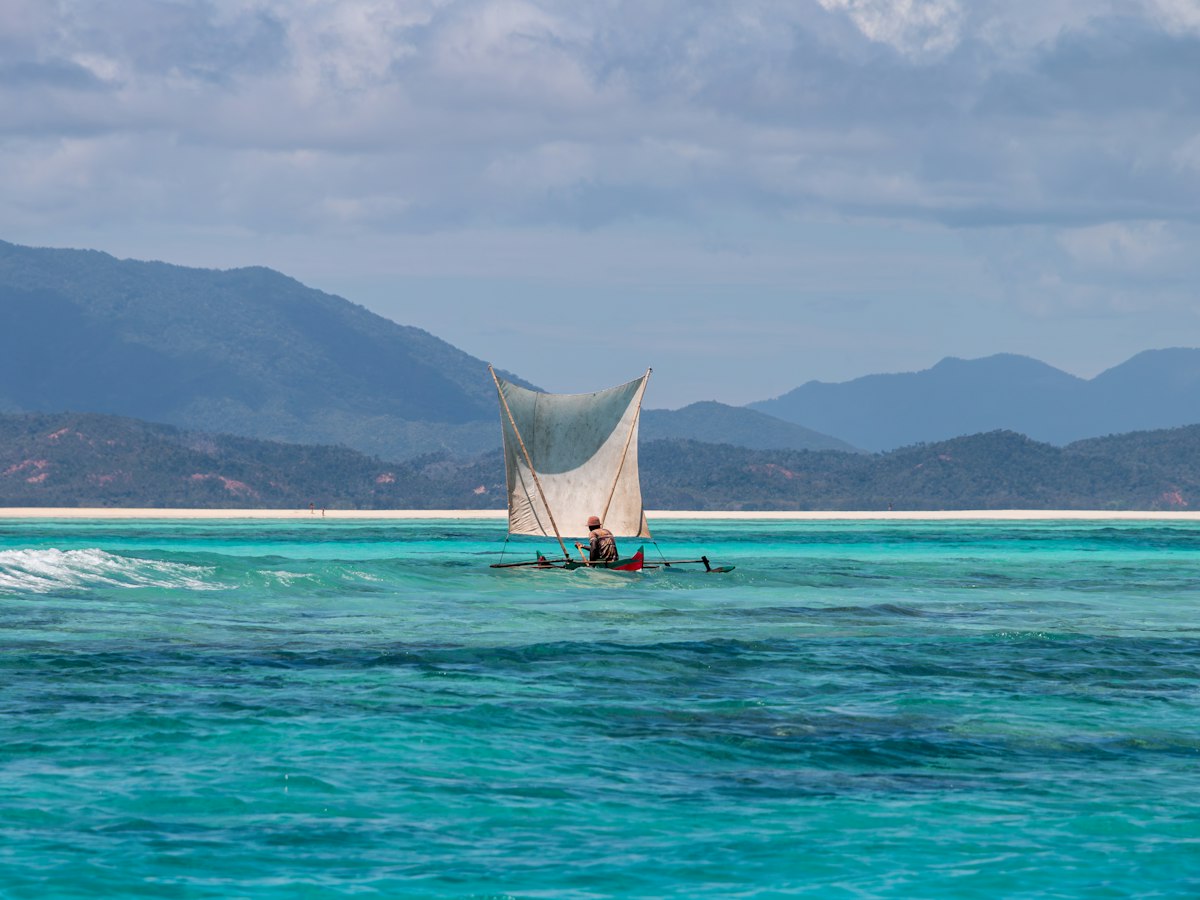
A dhow trip from Ramena takes you to this turquoise lagoon, some twelve kilometres long and sheltered from the swell by the reef and its islets.
Progress to jumps and freestyle
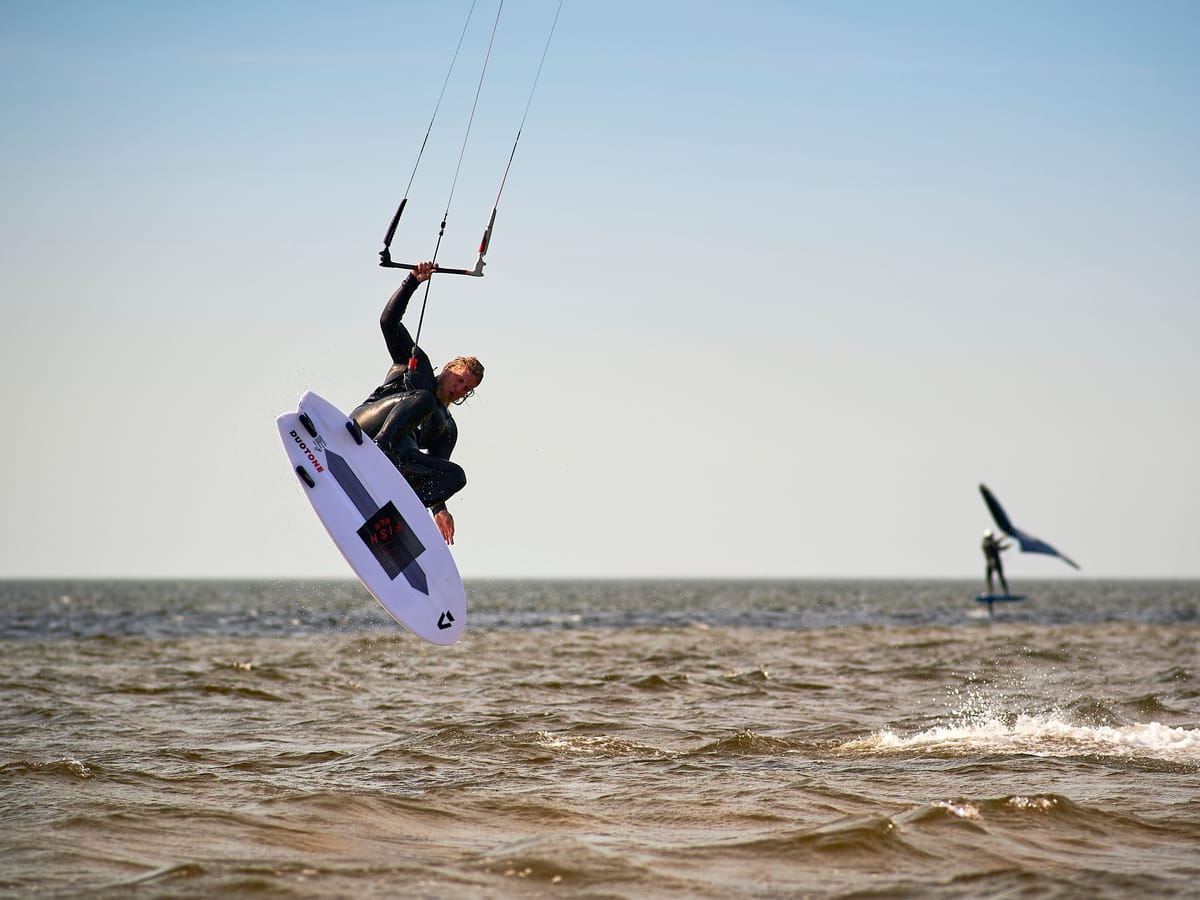
For experienced riders, the strong trade wind from June to September opens the way to jumps, freestyle and long runs on flat water.
Ride in the evening light
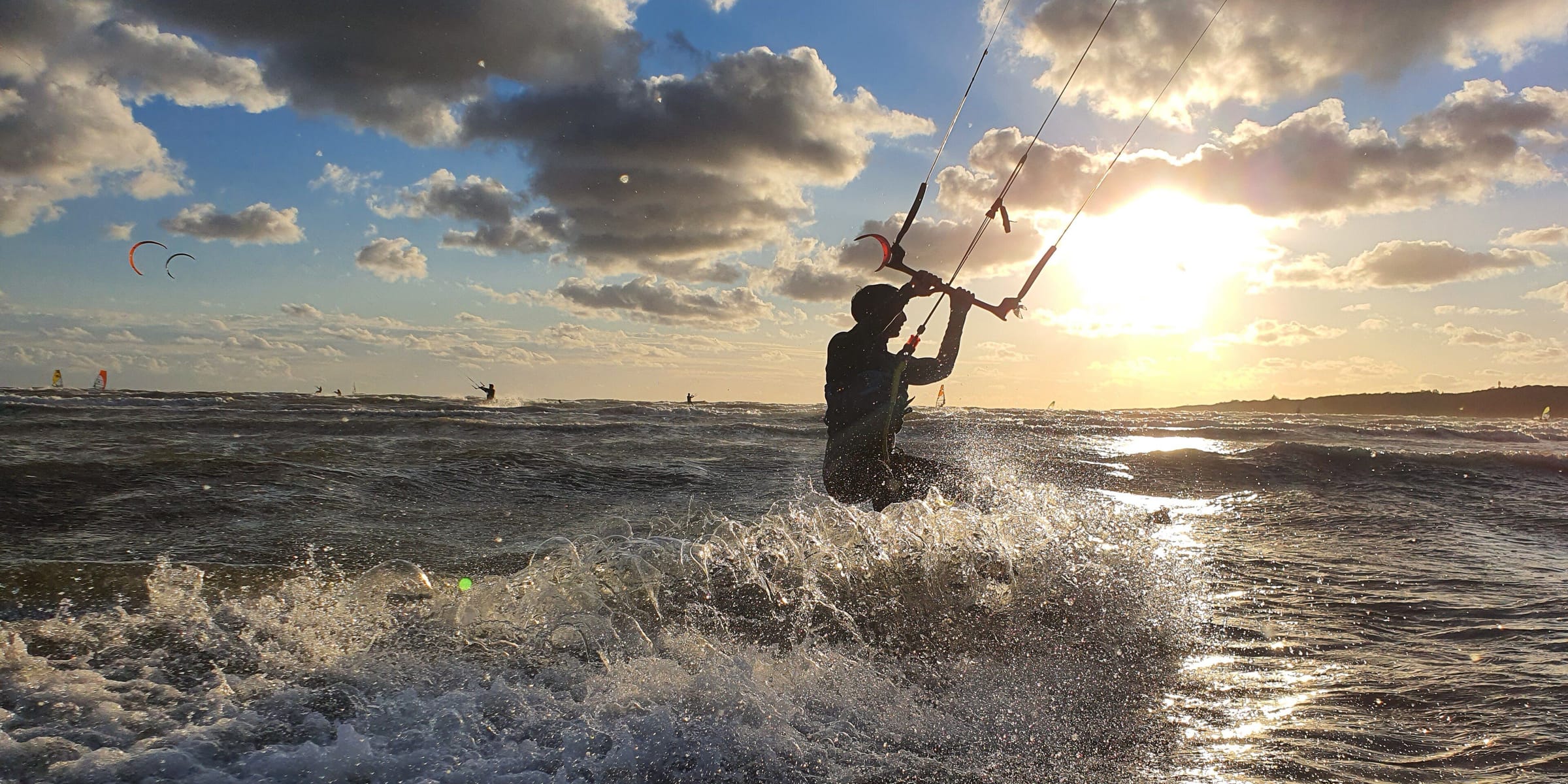
When the wind allows, one last session in the golden late-afternoon light, before heading back to the beach as the sun goes down.
Explore the south-west at Anakao
From June to October, head for the Vezo village of Anakao, opposite the islet of Nosy Ve, to ride far from the crowds between the lagoon and small waves.
Destinations
Where to go
Our favourite places for this activity, to link together or to slot into one of our tours.
North, 20 km from Diego-Suarez
Sakalava Bay
Enclosed by a coral reef, the bay offers flat, shallow water that is ideal for learning. The Varatraza, the south-east trade wind, blows side-on here and naturally brings riders back towards the beach. Schools and equipment hire are right on the waterfront, half an hour’s drive from Diego-Suarez.
North, Diego-Suarez bay
Ramena and the Emerald Sea
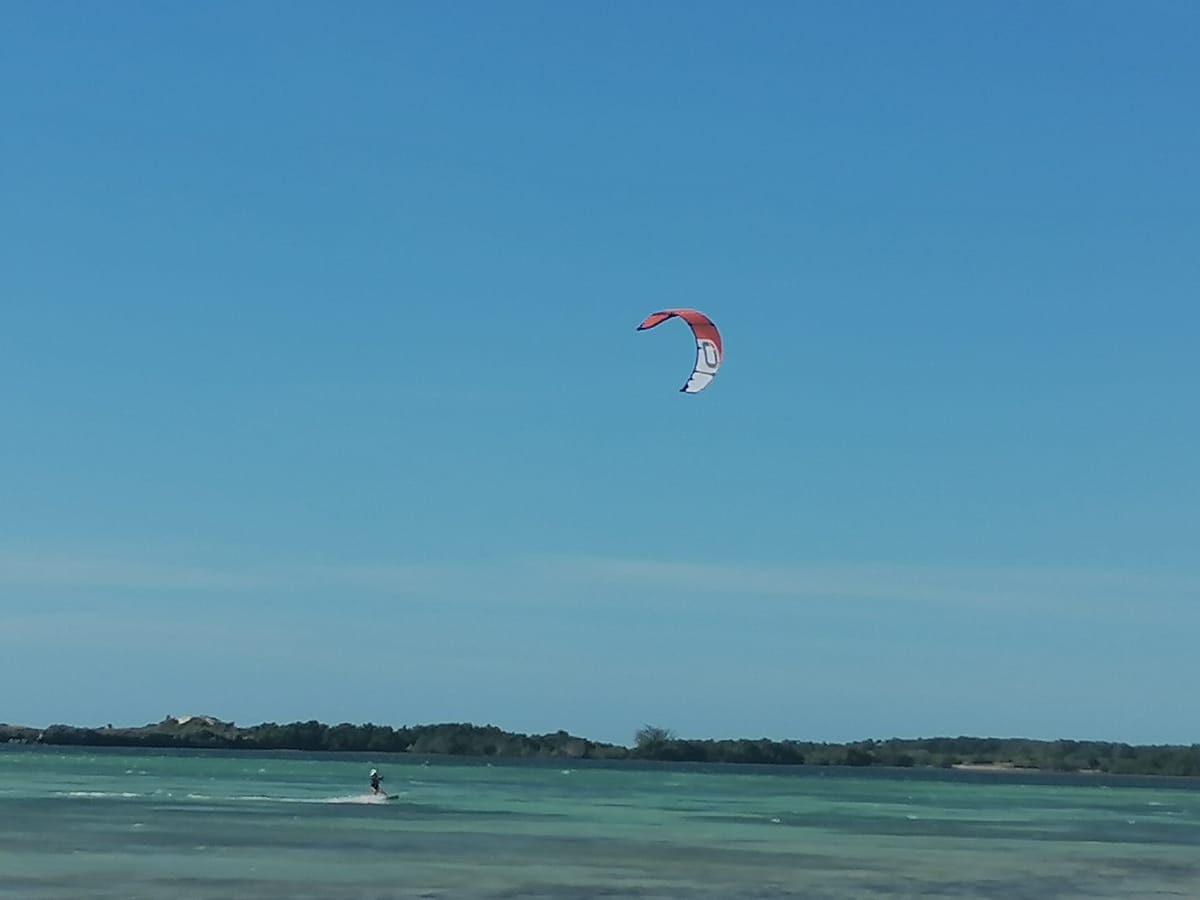
From Ramena beach, a dhow or a sailing pirogue takes you to the Emerald Sea, a lagoon some twelve kilometres long with shallow water over white sand. Sheltered from the swell by a reef and a string of islets, it is perfect for long sessions on flat water against a postcard backdrop.
South-west, near Toliara
Anakao and the south-west
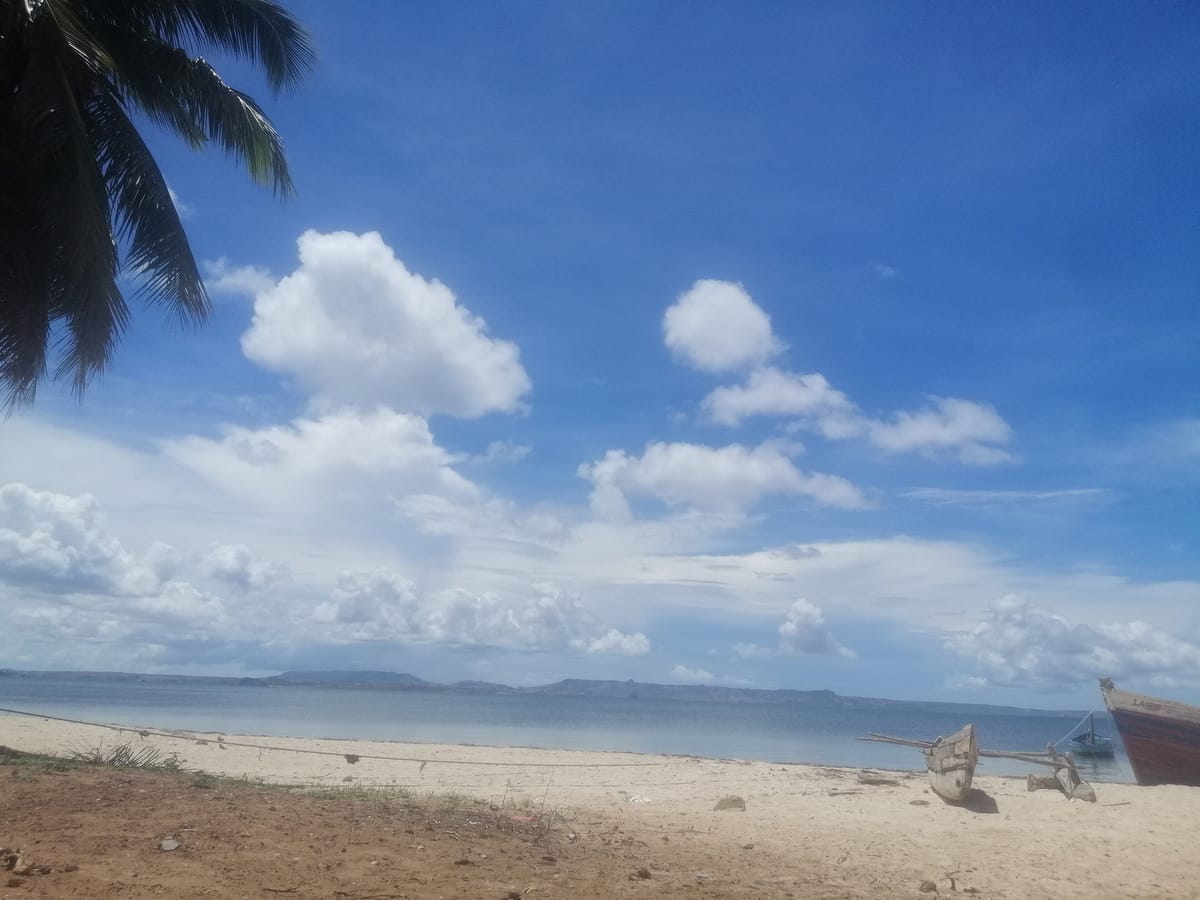
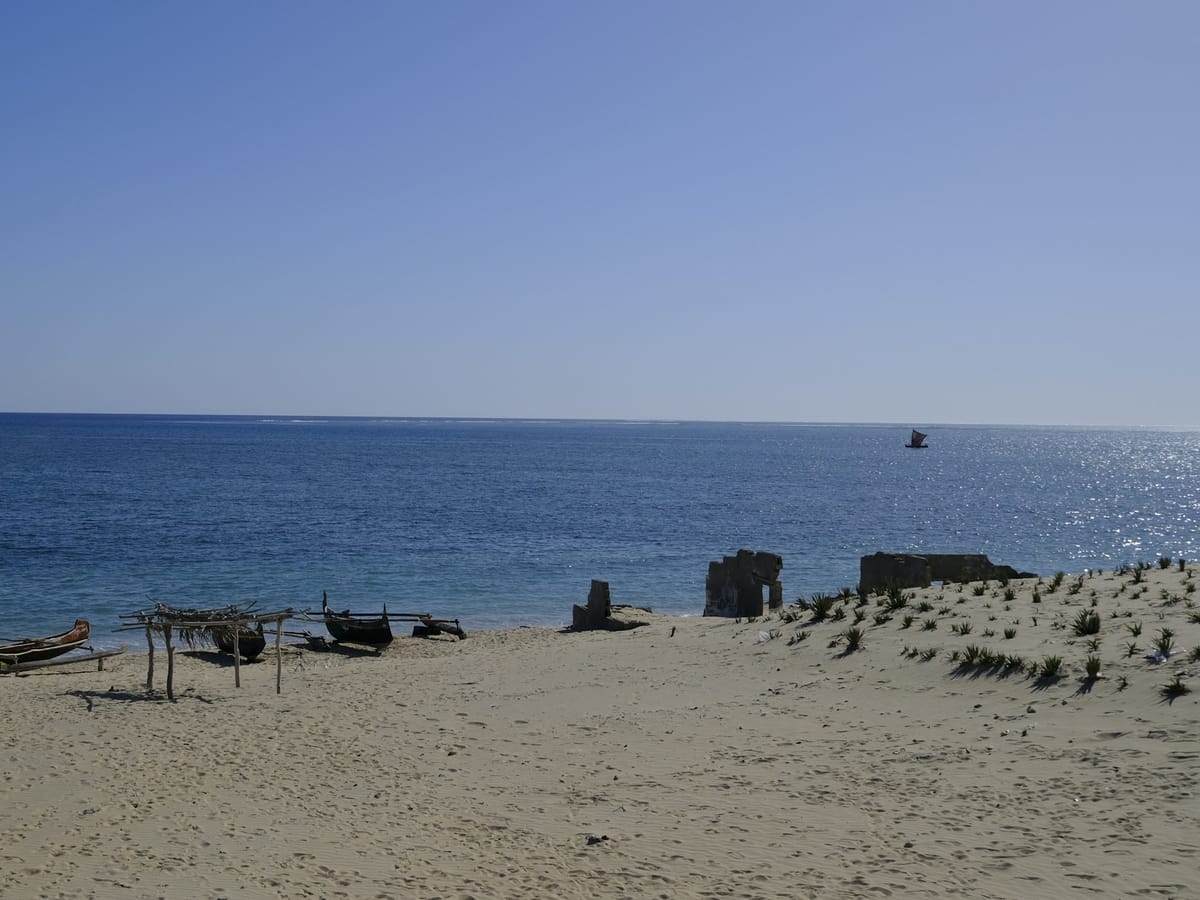
An hour by boat from Toliara, the Vezo village of Anakao looks out over the islet of Nosy Ve. From June to October, the southerly wind picks up regularly: you ride between the lagoon and small waves, far from any crowds, before joining the fishermen’s pirogues back on the beach.
In pictures
The activity in photos
A few images of the activity and of the places where you can enjoy it.
The right time
When to go
In the north, the Varatraza blows from April to November. It is at its strongest from June to September, ideal for experienced riders, while April, May and November bring slightly gentler wind, well suited to learning. In the south-west, the windy season runs from roughly June to October. From December to March, the hot and rainy season, the wind is less reliable.
Strongest wind from June to September in the north.
April, May and November: gentler wind, ideal for beginners.
Month by month
Jannot advised
Febnot advised
Marpossible
Aprpossible
Mayideal
Junideal
Julideal
Augideal
Sepideal
Octideal
Novpossible
Decnot advised
Ideal
Possible
Not advised
This month
Recommended season: Best from May to October
In your bag
Gear and equipment
What is provided and what you should bring to make the most of the activity.
Provided
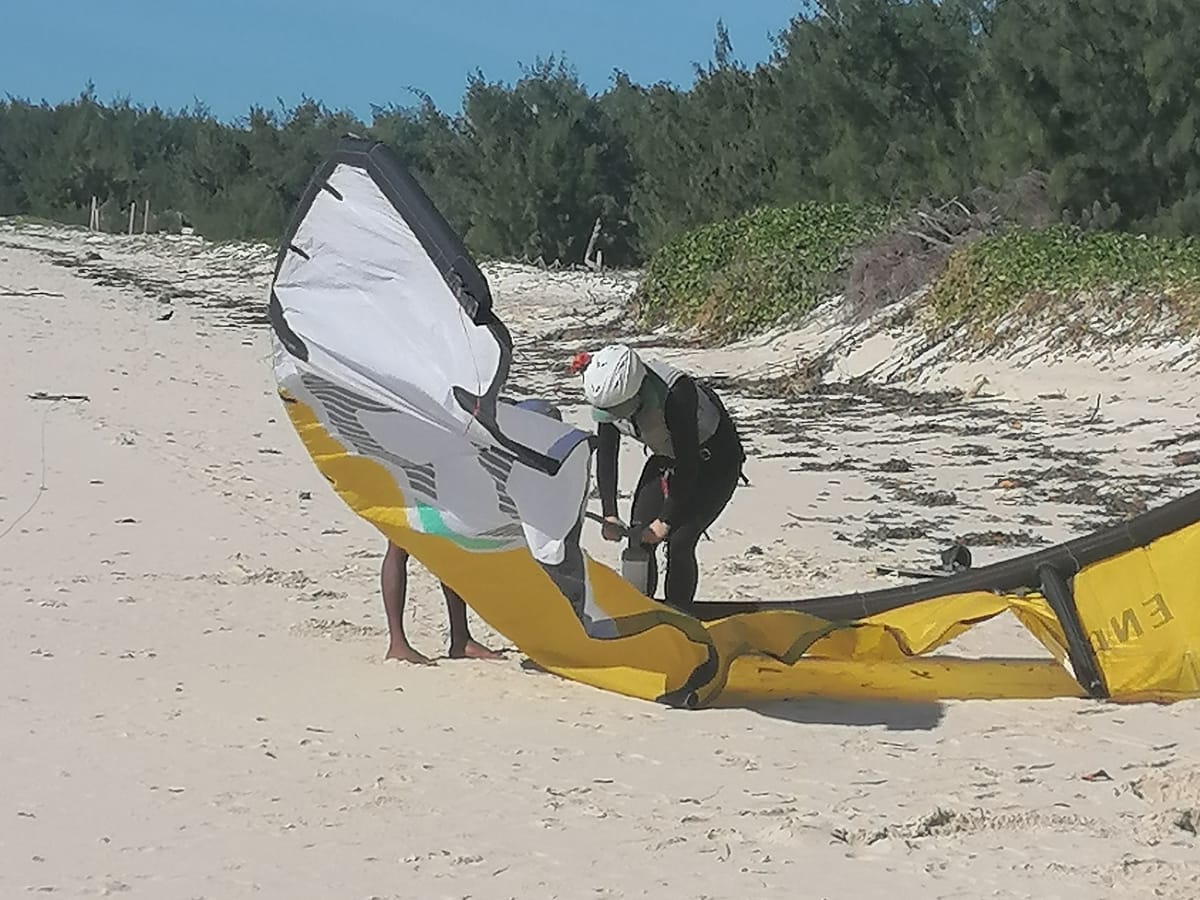
Kite, board and harness during lessons, provided by the school
Buoyancy aid and helmet where the school requires them
Lessons with an instructor, from beginner to improver
Transfers to the spots by vehicle or boat
What to bring
Swimwear and a long-sleeved rash vest
Water-resistant mineral sunscreen
Sunglasses with a strap
Reef shoes
A cap or hat for breaks
A reusable water bottle
Your own kit if you ride independently, in a sturdy bag
Peace of mind
Safety advice
A few simple rules so you can enjoy the activity with peace of mind. On site, always follow your guide’s instructions: they know the ground and the conditions of the day.
Take lessons with an instructor for your first sessions: kitesurfing cannot be improvised, and a poorly controlled kite can be dangerous.
Check the wind before every session: too strong or too gusty, it can catch out even experienced riders.
Ride within the area set by the school, away from swimmers, boats and obstacles, and never alone.
Know where the reef and very shallow areas are at low tide, and plan your sessions around the tide.
Wear a buoyancy aid and helmet if the school advises it, and always keep your kite’s quick-release within easy reach.
Protect yourself from the sun and drink regularly: the breeze feels cool, but the sun is strong on the water.
Take out travel insurance that covers water sports.
With BEMIRAY
Why choose this activity?
A remarkably steady trade wind
During the season, the northern wind blows with great consistency: fewer days lost waiting on the beach, and more time out on the water.
Safe, sheltered lagoons
A protective reef with flat, shallow water: reassuring conditions for learning with confidence, and a rare playground for quick progress.
A stay designed around the wind
We choose the right season with you, accommodation close to the spots and the school that suits your level, with a reply within 48 hours.
Kitesurfing, and so much more
Between sessions, Amber Mountain, the Red Tsingy or the Three Bays round off a tailor-made trip in the north of the island.
Good to know
Your questions
Another question? Our team replies within 48 hours, in English or in French.
Yes. Even though the lagoons are shallow, you need to be comfortable in the water: you remain attached to your kite and must be able to swim calmly if you fall.
Can I learn there as a beginner?
Yes. The schools in Sakalava Bay offer beginner lessons. Allow around ten hours of tuition to become independent, depending on the wind and how quickly you take to it.
Can children take part?
It depends on their age, build and the school. Teenagers who swim well can often learn; we check the conditions with the school before you travel.
Should I bring my own equipment?
There is no need: the schools hire out kites, boards and harnesses. Independent riders can travel with their own kit; just check the airline’s baggage conditions.
Can I combine kitesurfing with a tour?
Of course. A few days in Sakalava Bay fit naturally into our northern tours, such as Dreams of the Wild North and Turquoise Lagoons, or into a stay in the south-west around Toliara.
What about days without wind?
Calm days are the perfect opportunity to discover Amber Mountain, the Red Tsingy, the Three Bays or the Emerald Sea by boat, with your driver-guide.
Combine it
Our tours with this activity
Find this activity on these itineraries, or add it to the tour of your choice: every trip is tailored to your wishes.