The indri’s morning song in Andasibe, the bamboo lemurs of Ranomafana, the sifakas of Ankarafantsika, the ring-tailed lemurs of Anja: go in search of lemurs, by day and by night, with local guides.
Season Year-round, best April–May and August–November
The activity
What is it like?
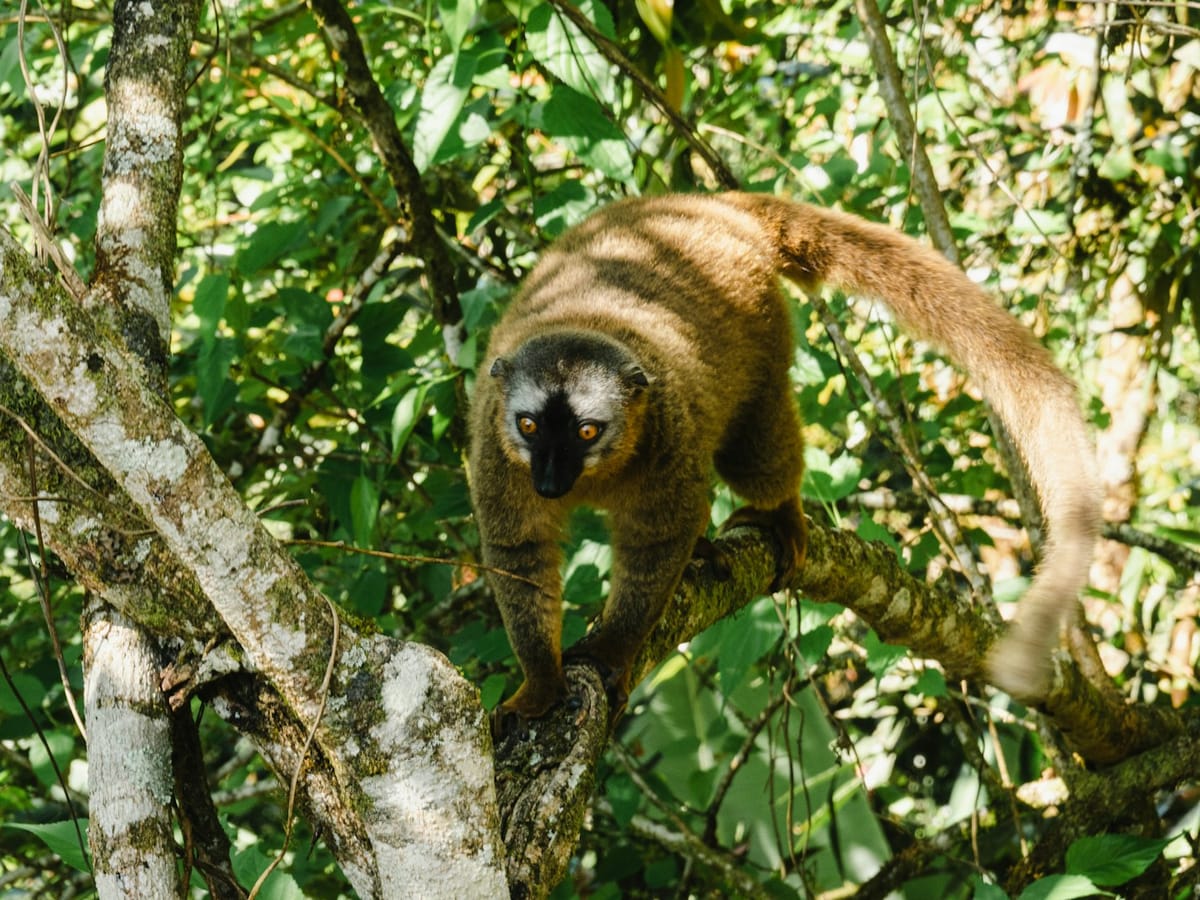
Lemurs live only in Madagascar: more than a hundred species, from the indri, the largest, to the mouse lemurs, among the smallest primates in the world. Watching them means walking through the forest with a local guide who finds the groups by their calls or the movement of the branches, then stopping quietly to watch them go about their day: feeding, leaping from tree to tree, grooming and playing with their young.
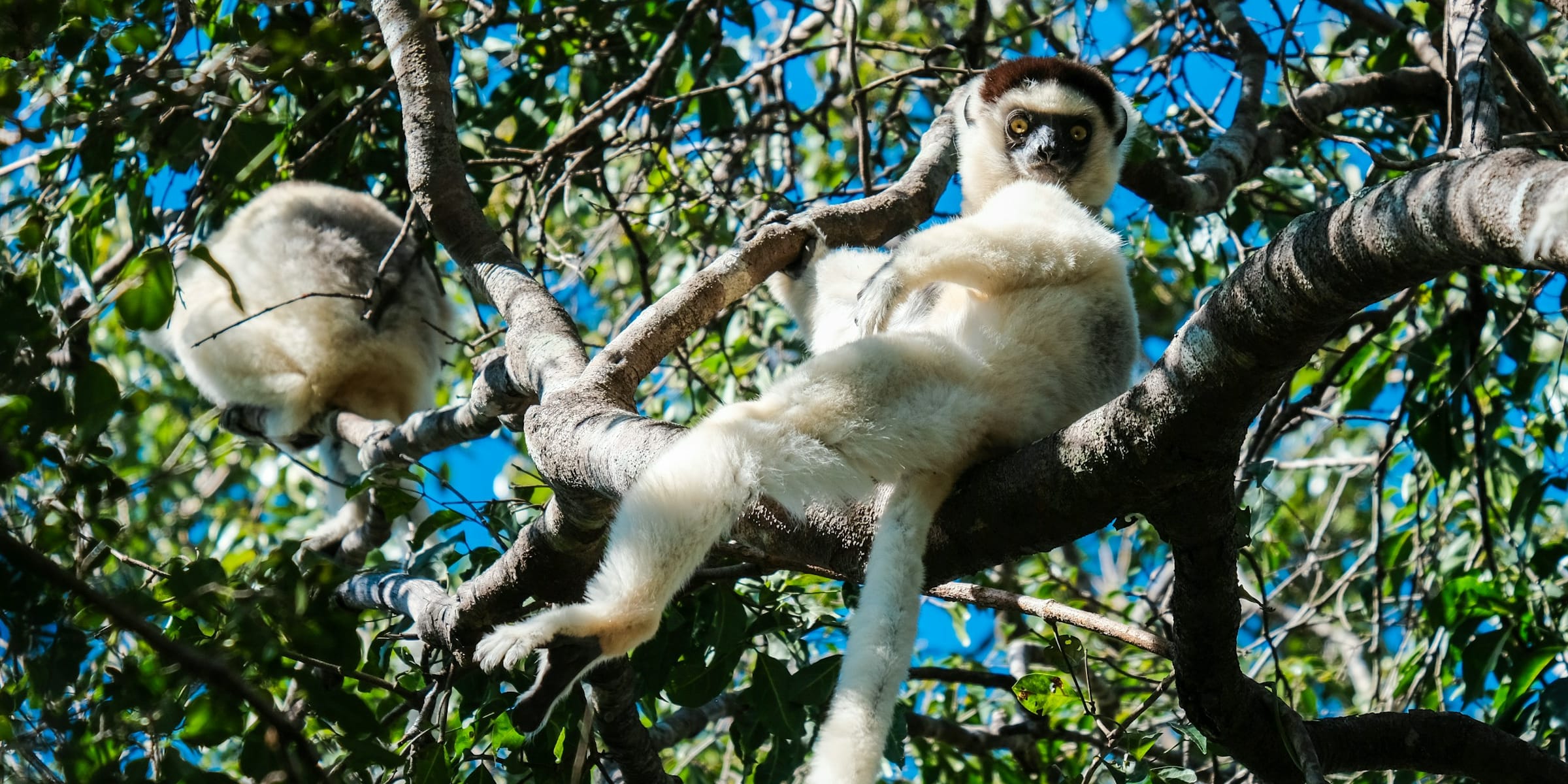
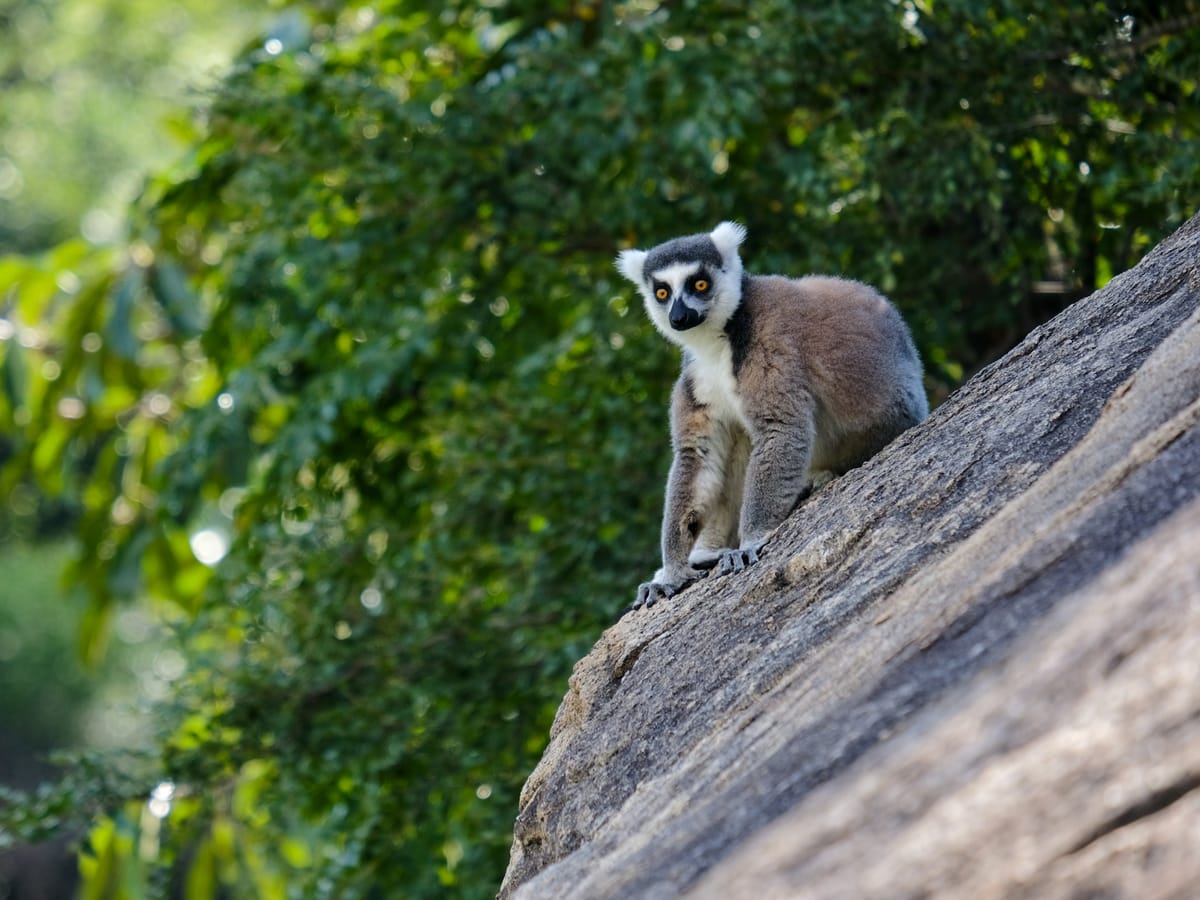
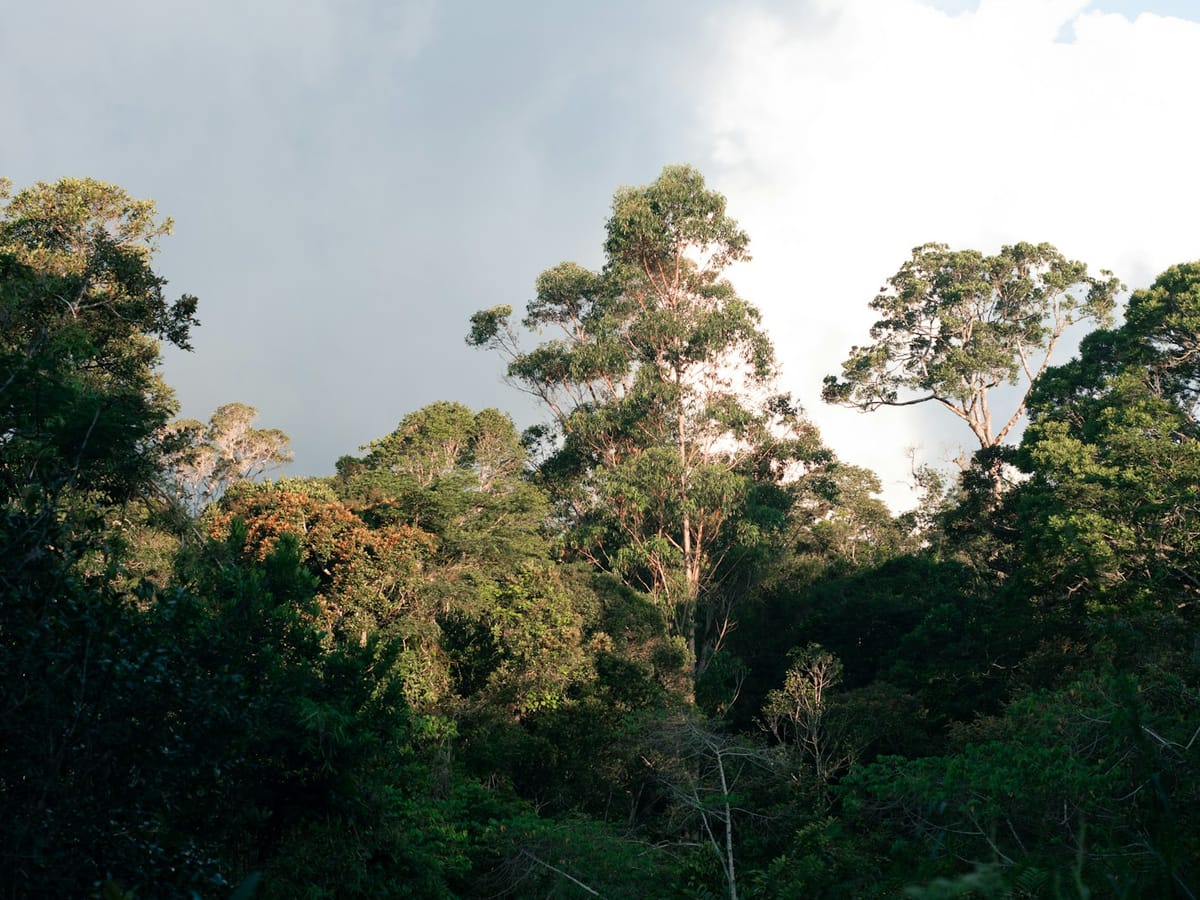
Each region has its own species: indris and diademed sifakas in the rainforest of Andasibe, bamboo lemurs in Ranomafana, Coquerel’s sifakas in the dry forest of Ankarafantsika and ring-tailed lemurs among the rocks of the south. Visits mostly take place early in the morning, when the animals are at their most active, and, in several parks, after nightfall, in search of the nocturnal species.
BEMIRAY builds these encounters into your tailor-made trip: a half-day at Lemurs’ Park near Antananarivo, a night in Andasibe to hear the indri, or a tour linking several forests. We arrange the visits with local guides and advise you on the season and the parks best suited to the species you dream of seeing.
100% tailor-made
On the spot
Things to do and see
The highlights of the activity, arranged around your pace and your wishes.
Hear the indri sing
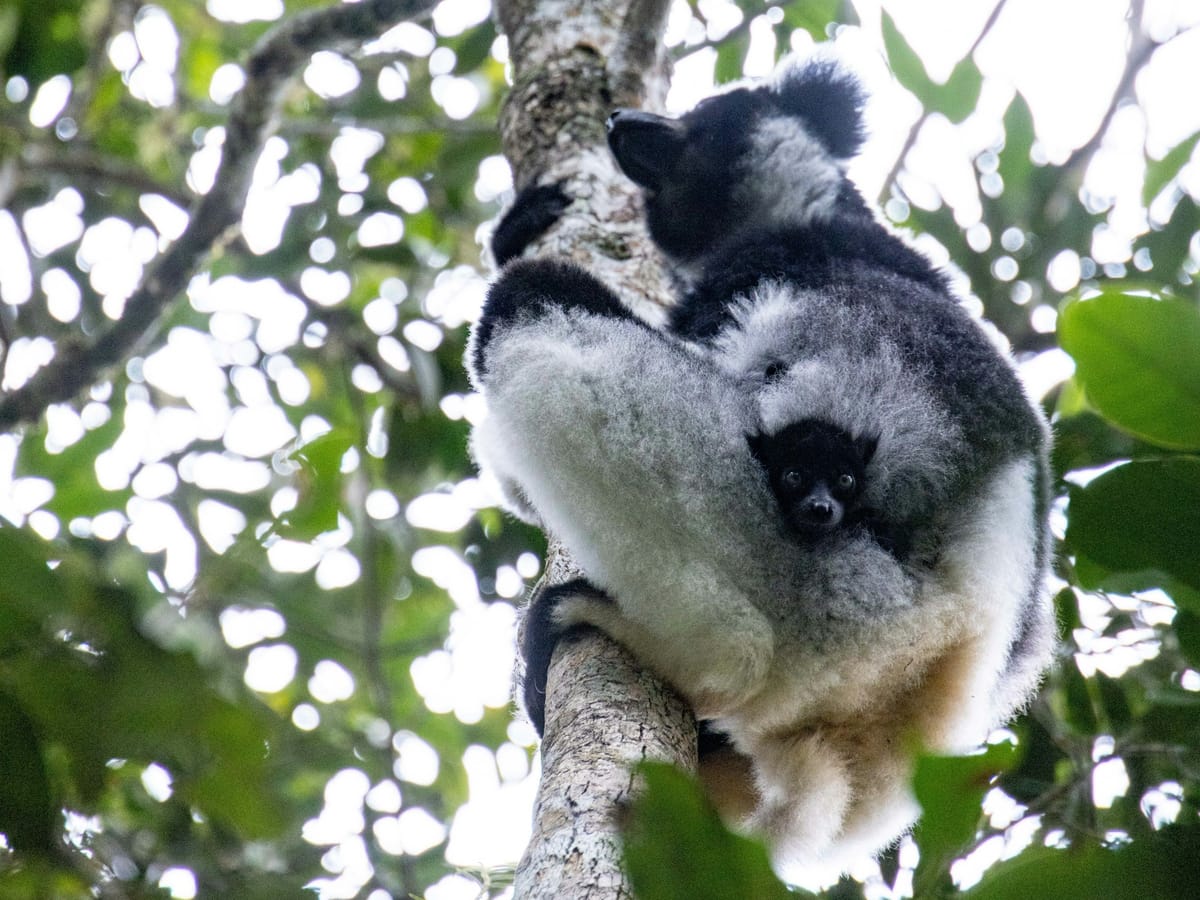
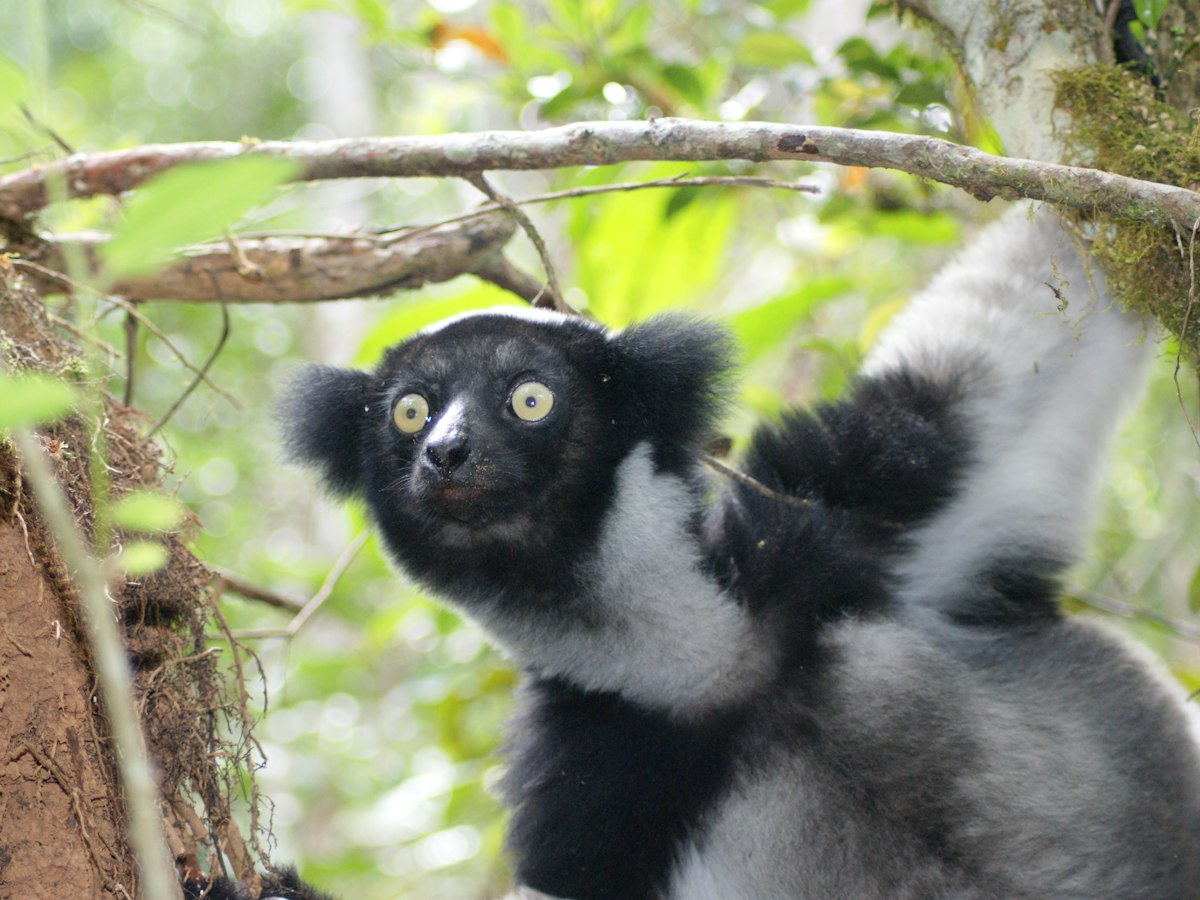
In Andasibe, in the morning, indris launch into a powerful song that carries far across the forest. Two groups used to visitors can be watched with the local guides.
Take a night walk
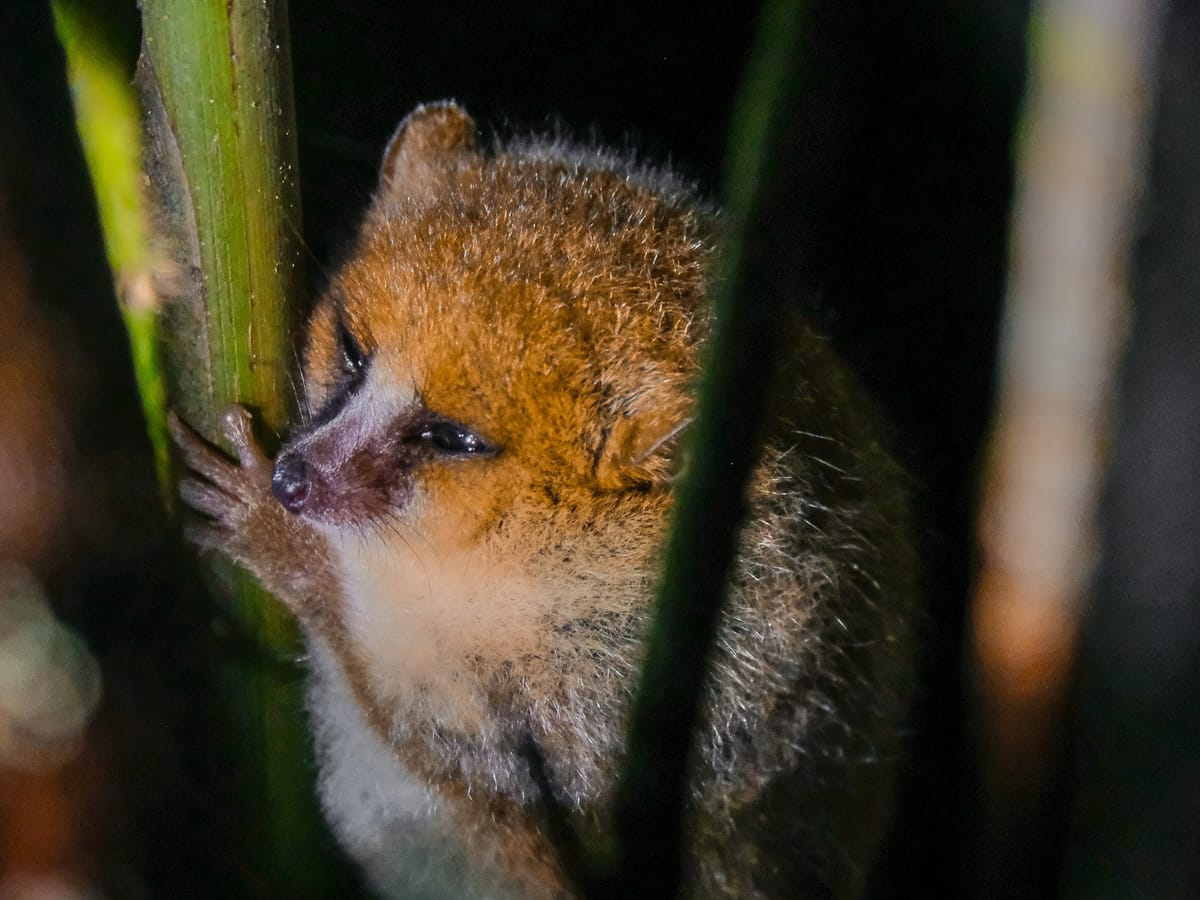
Since September 2025, several parks, including Andasibe-Mantadia, Ranomafana and Ankarafantsika, have opened night trails: mouse lemurs, chameleons and frogs in the glow of a soft torch.
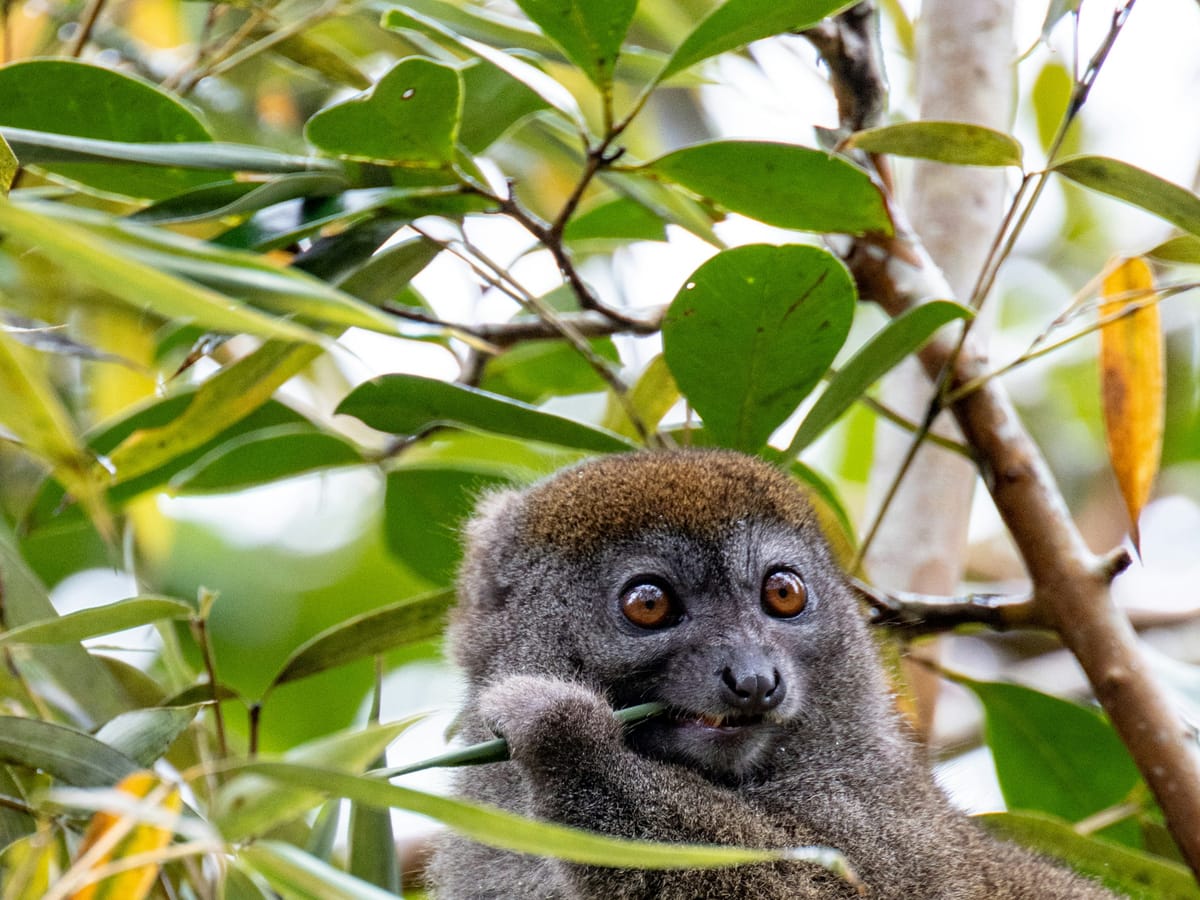
The bamboo lemurs of Ranomafana
In the rainforest and bamboo thickets, look for the golden bamboo lemur and the greater bamboo lemur, two rare species, as well as Milne-Edwards’ sifaka.
Watch the sifakas leap
In Ankarafantsika, Coquerel’s sifakas bound from tree to tree near Lake Ravelobe, watched by mongoose lemurs and a wealth of birds.
A village-run lemur reserve
Near Ambalavao, the Anja community reserve protects ring-tailed lemurs among granite boulders. Your visit helps fund the site’s protection and village projects.
A half-day near Tana
25 km from the capital, Lemurs’ Park is home to several species living in semi-freedom: a lovely first encounter before or after a domestic flight.
Destinations
Where to go
Our favourite places for this activity, to link together or to slot into one of our tours.
East, 150 km from Antananarivo
Andasibe-Mantadia
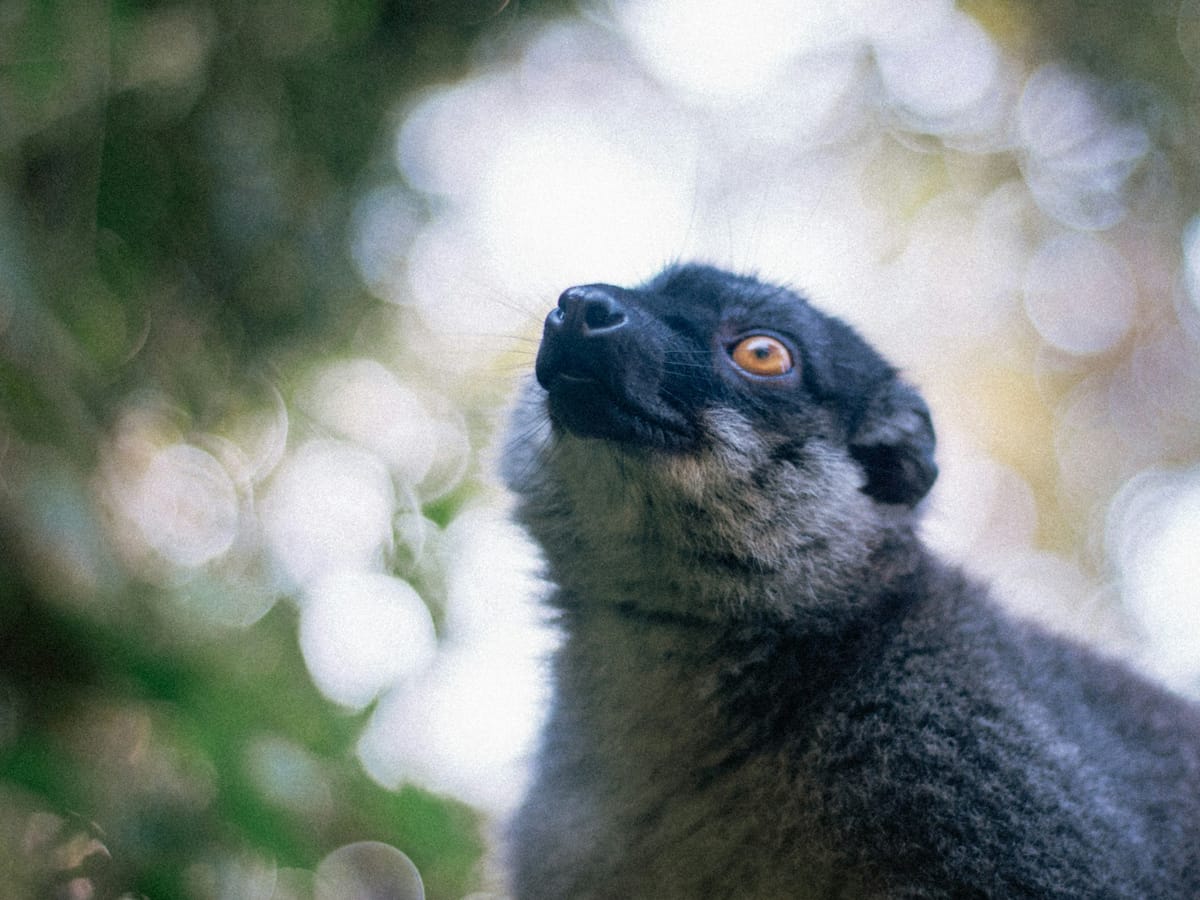
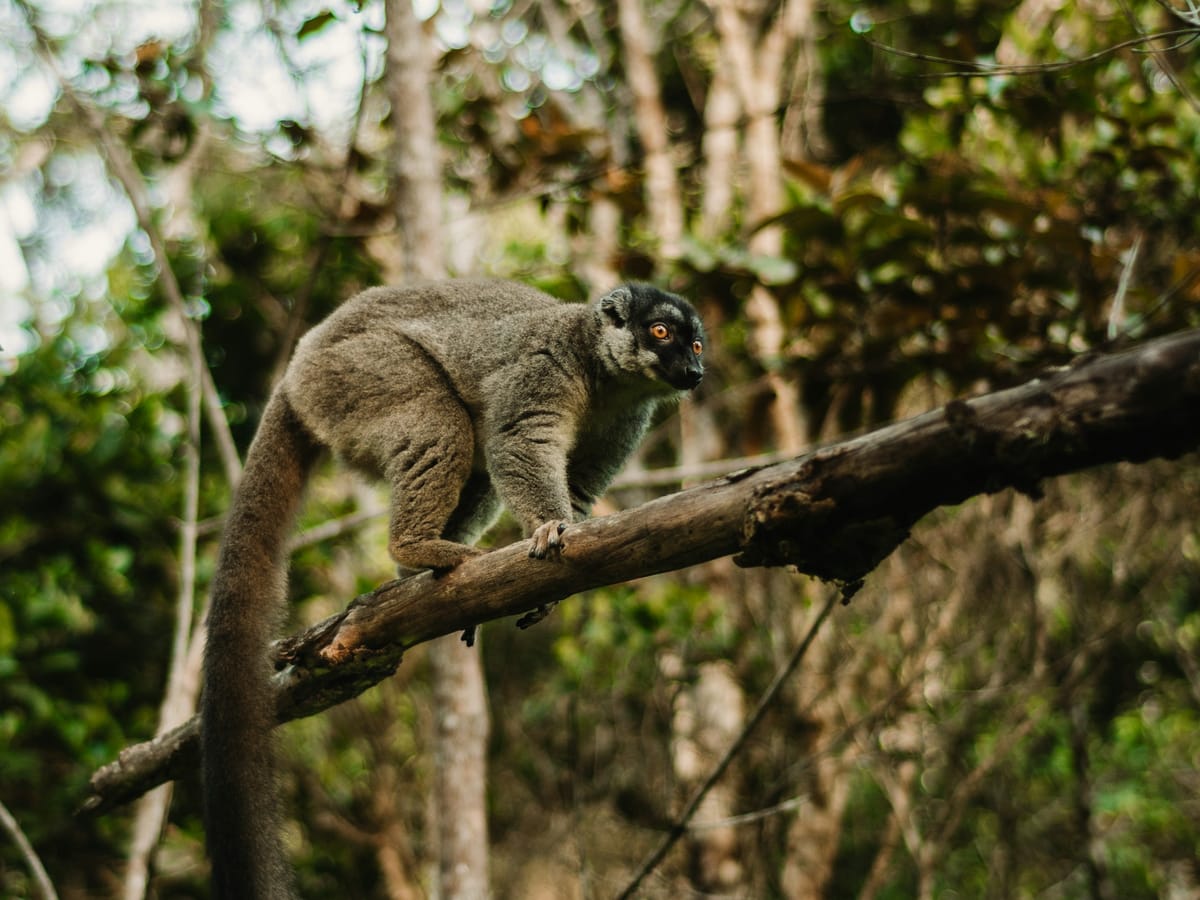
One of the most accessible parks, three to four hours’ drive from the capital. In the Analamazaotra forest, two groups of indris used to visitors can be watched with the local guides, as can the diademed sifaka, the common brown lemur and the grey bamboo lemur. The indri’s song rings out mostly in the morning; after dark, the night walk reveals mouse lemurs and chameleons.
South-east, 65 km from Fianarantsoa
Ranomafana National Park
Created in 1991 and listed by UNESCO as part of the Rainforests of the Atsinanana, this park of rainforest and bamboo is home to more than ten lemur species, including the golden bamboo lemur, the greater bamboo lemur, the black-and-white ruffed lemur and Milne-Edwards’ sifaka. Trails are steep and sometimes slippery; in the evening, a night walk is possible.
North-west, on the road to Mahajanga
Ankarafantsika National Park
Crossed by the RN 4, this dry forest park is home to Lake Ravelobe. Eight lemur species live here: Coquerel’s sifakas, often seen near the park entrance, perform acrobatic leaps, and you may meet the mongoose lemur or the common brown lemur. At night, the search is on for the golden-brown mouse lemur, found only in this area. Birdlife is also abundant.
South, from Ambalavao to Ranohira
Anja and Isalo
13 km south of Ambalavao, the Anja community reserve, set up in 2001 and run by a village association, protects ring-tailed lemurs living among huge granite boulders; entrance fees also fund local projects. Further south, in Isalo National Park, the Canyon des Makis is named after its ring-tailed lemurs, seen alongside Verreaux’s sifakas and red-fronted lemurs.
Highlands, 25 km from Antananarivo
Lemurs’ Park
On the RN 1, west of the capital, this 5-hectare private park on the banks of the Katsaoka River is home to several lemur species from different regions, living in semi-freedom among a collection of endemic plants. Ideal for a half-day at the start or end of your stay, especially with children.
In pictures
The activity in photos
A few images of the activity and of the places where you can enjoy it.
The right time
When to go
Lemurs can be seen all year round. From August to November, the dry season makes walking easier and several species give birth: young ring-tailed lemurs cling to their mothers. April and May offer a lush green forest as the rains end. From December to March, heavy rain makes some trails and roads difficult; in June and July, mornings are cool and damp in the eastern forests.
Young ring-tailed lemurs: mainly in September and October.
Night walks: often most rewarding in the warm season, October to March.
Indris: their song is mostly heard in the morning.
Month by month
Janpossible
Febpossible
Marpossible
Aprideal
Mayideal
Junpossible
Julpossible
Augideal
Sepideal
Octideal
Novideal
Decpossible
Ideal
Possible
This month
Recommended season: Year-round, best April–May and August–November
In your bag
Gear and equipment
What is provided and what you should bring to make the most of the activity.
Provided
Approved local guide in every park and reserve
Private vehicle with driver-guide
Day and night visits arranged
Itinerary designed around the species you want to see
What to bring
Binoculars
Low-intensity head torch
Closed walking shoes with good grip
Long, neutral-coloured clothing
Light rain jacket
Fleece for cool mornings in the forest
Insect repellent
Camera with a good zoom
Peace of mind
Safety advice
A few simple rules so you can enjoy the activity with peace of mind. On site, always follow your guide’s instructions: they know the ground and the conditions of the day.
Do not feed or touch the lemurs, even those used to people: it harms their health and they can still bite.
Keep a few metres away, speak quietly and never block a group’s path.
Do not use a flash: it is banned on night visits and dazzles the animals. A low-powered torch is all you need.
Stay on the trails with your guide: in the rainforest, roots and slopes are slippery, especially after rain.
In the evening, cover your arms and legs and use repellent; seek medical advice before you travel, particularly about malaria.
Never pose with a lemur kept on a lead or in a cage by a private individual: this trade encourages the capture of protected animals.
With BEMIRAY
Why choose this activity?
Guides who know where to look
Our local guides know the lemur groups, their calls and their habits: they spot what you would never find on your own, and tell you the story of the forest.
A route built around you
The indri in Andasibe, bamboo lemurs in Ranomafana, sifakas in Ankarafantsika, ring-tailed lemurs in Anja: we design the itinerary around the species you care about and the season of your trip.
Respectful wildlife watching
No feeding, no contact, and a preference for community reserves and local partners: your visits help protect the forests and benefit the villages on their edges.
Everything arranged for you
Private vehicle with driver-guide, guides and night walks booked, and accommodation close to the parks so you are on the trails as soon as they open. We reply to your enquiry within 48 hours.
Good to know
Your questions
Another question? Our team replies within 48 hours, in English or in French.
No one can guarantee it with wild animals, but in parks such as Andasibe, Ranomafana or Ankarafantsika, the guides know the groups used to visitors and sightings are frequent. Setting off early in the morning greatly improves your chances.
How much time should I allow?
Half a day is enough for Lemurs’ Park or the Anja reserve. For Andasibe, Ranomafana or Ankarafantsika, allow at least one night nearby: the morning visit, when lemurs are most active, and the night walk in the evening.
Can I go with children?
Yes: the short trails in Andasibe, the Anja reserve and Lemurs’ Park are well suited to families. Night walks call for calm and quiet; access conditions for younger children depend on the park, and we check them for you.
Can I see lemurs in the north?
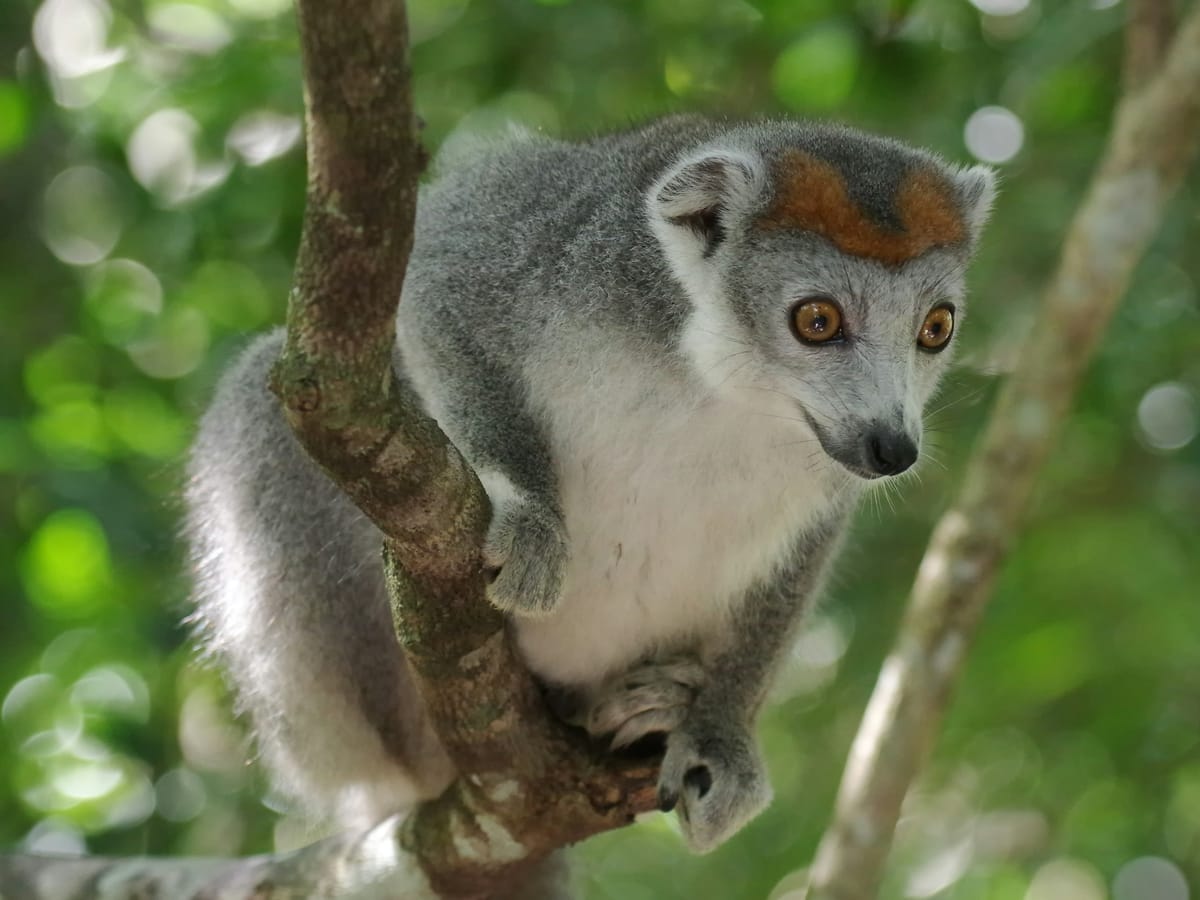
Yes. Amber Mountain is home to the crowned lemur among others, the dry forest of Andrafiamena can also be explored after dark, and the Daraina area is the realm of the rare golden-crowned sifaka. Our northern tours pass through them.
How can I combine it with a tour?
Several tours already include it: “Ultimate Escape in Madagascar” and “The Authentic East” for Andasibe, “Rice Fields, Kingdoms & Rituals” for Andasibe, Ranomafana and Isalo, “Meet the Zen & Back to the Roots” for Ankarafantsika and “Madagascar’s Highlands Secrets” for Lemurs’ Park.
Should I tip the guide?
Tipping is not compulsory, but it is customary for the local guide at the end of the visit, by day or by night. Your driver-guide will suggest a reasonable amount depending on the length of the outing and the size of the group.
Combine it
Our tours with this activity
Find this activity on these itineraries, or add it to the tour of your choice: every trip is tailored to your wishes.