
- Home
- Activities
- Surfing
Anakao, Lavanono, Fort Dauphin
Surfing in Madagascar
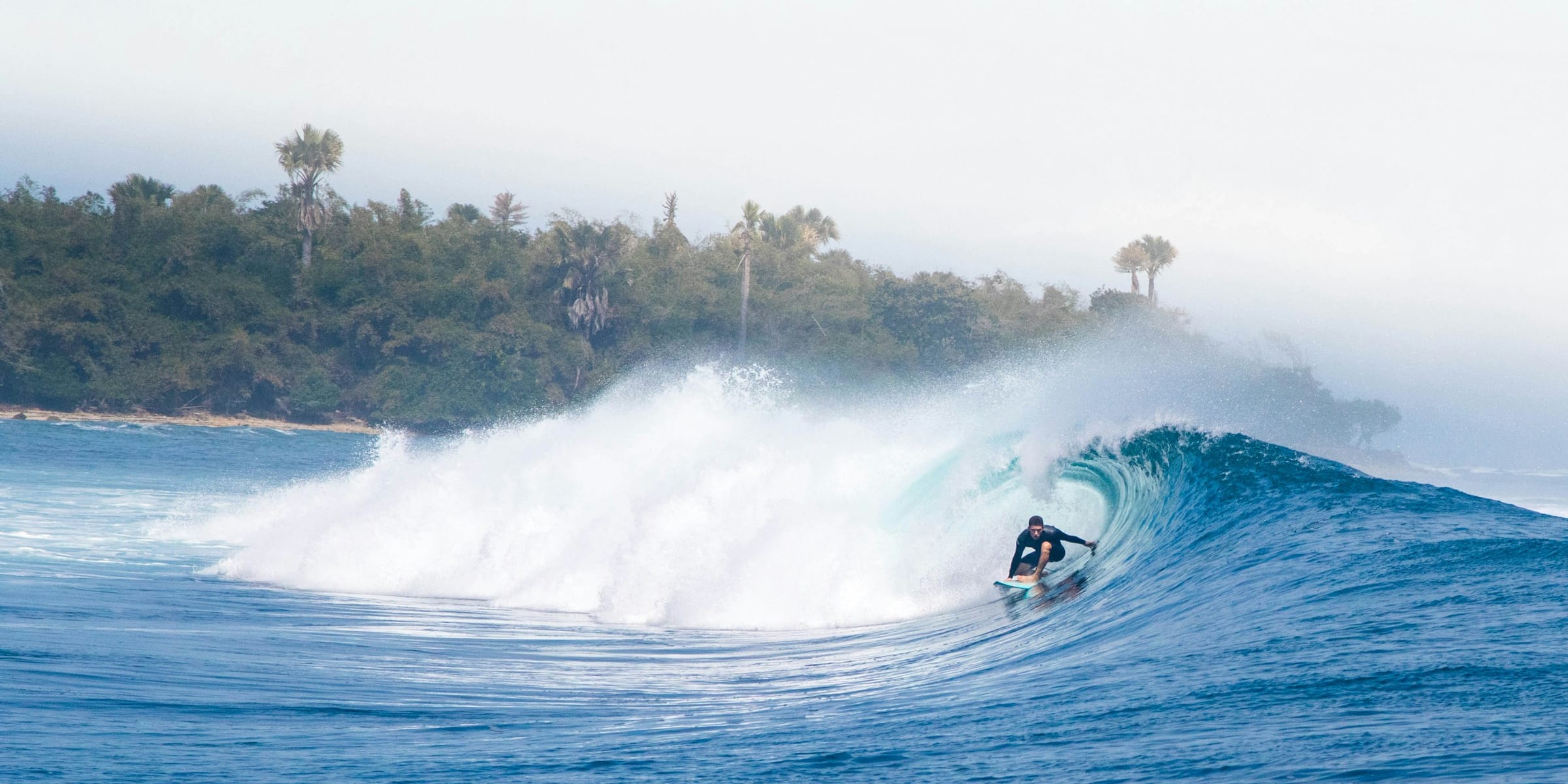
From the reefs of Anakao to the renowned left at Lavanono, by way of the beaches of Fort Dauphin, southern Madagascar offers powerful, uncrowded waves, from beginner sessions over sand to reef breaks for experienced surfers.
- Duration Two- to three-hour sessions
- Level Beginner to advanced
- Who for Strong swimmers; children depending on school
- Season Best from April to October
The activity
What is it like?
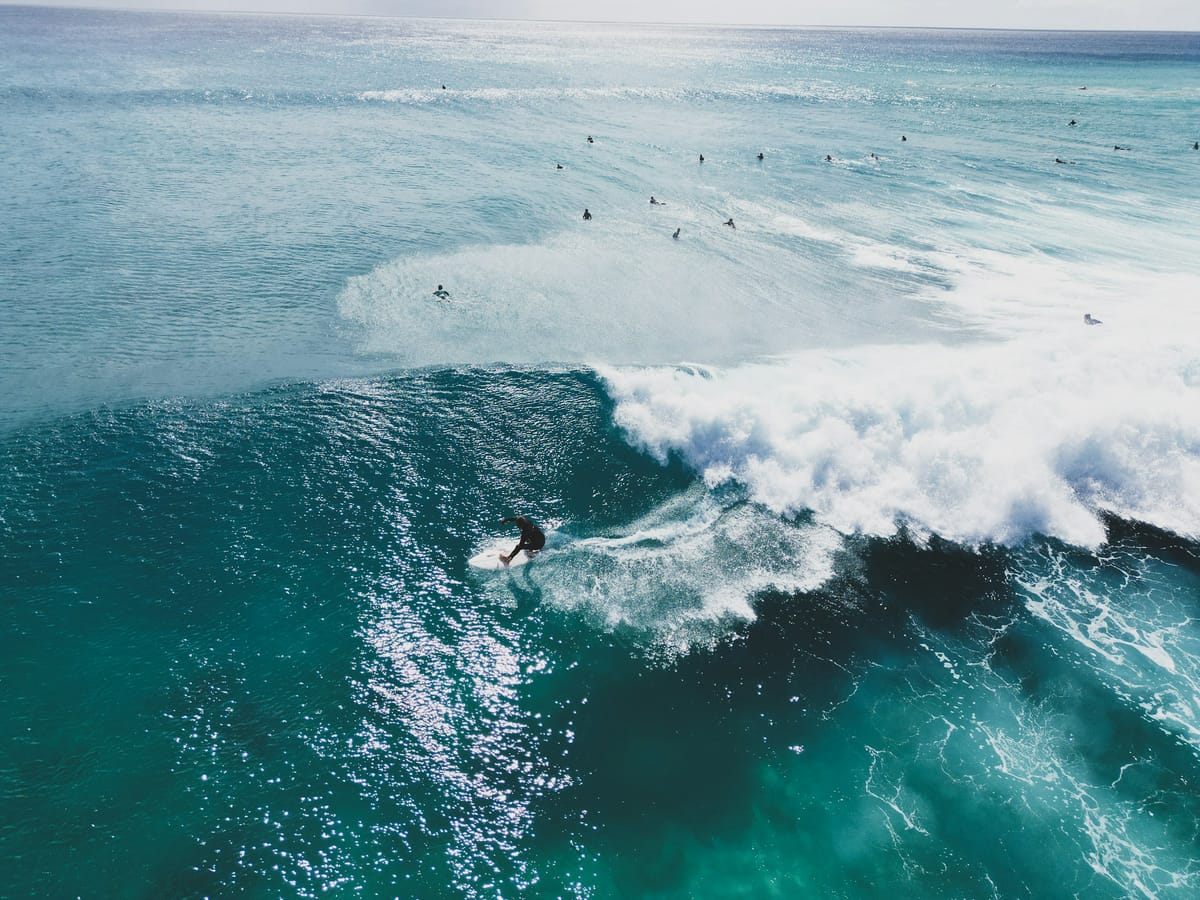
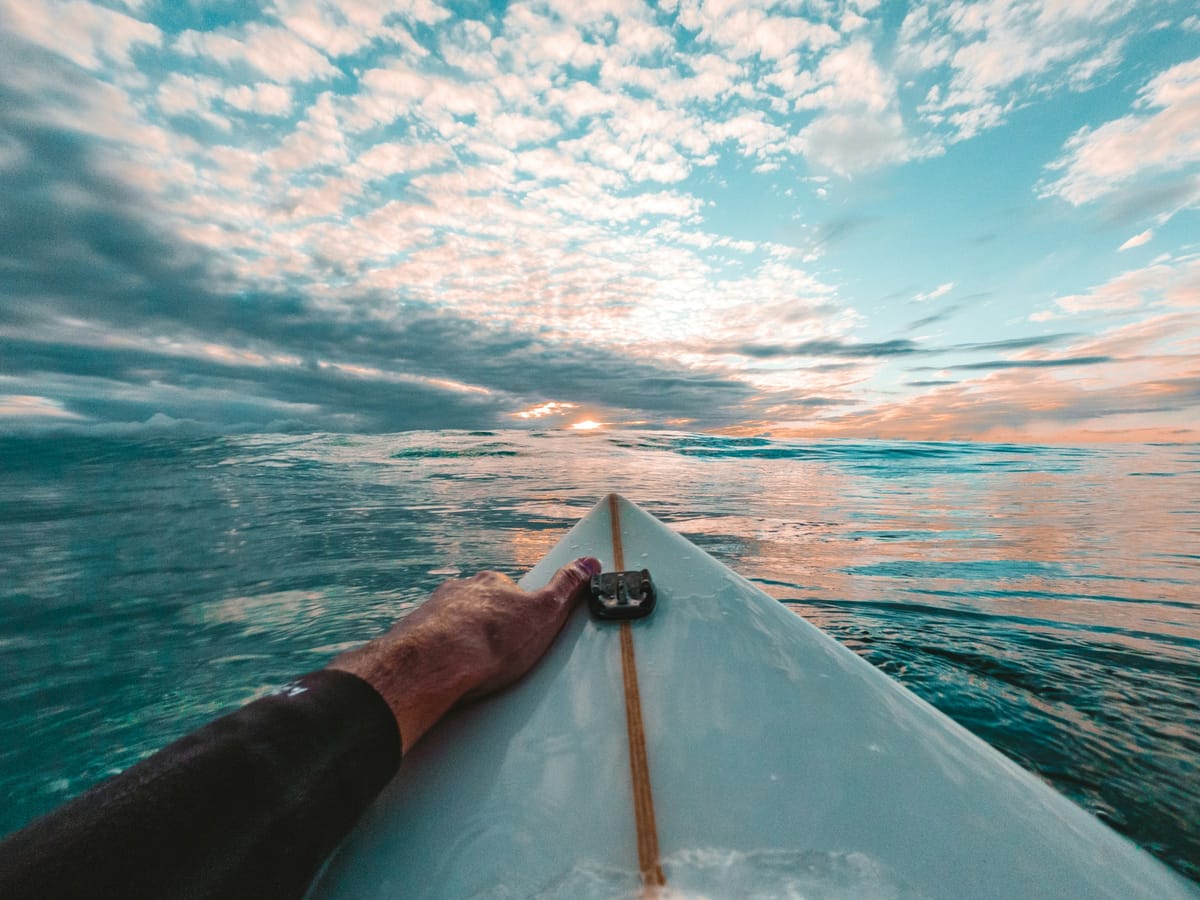
In Madagascar, surfing is mostly found in the south of the island, which is exposed to the swells of the southern Indian Ocean. In the south-west, between Toliara and Anakao, waves break over offshore coral reefs reached by pirogue or boat. In the far south and around Fort Dauphin, rocky points and sandy beaches widen the choice, often with very few people in the water.
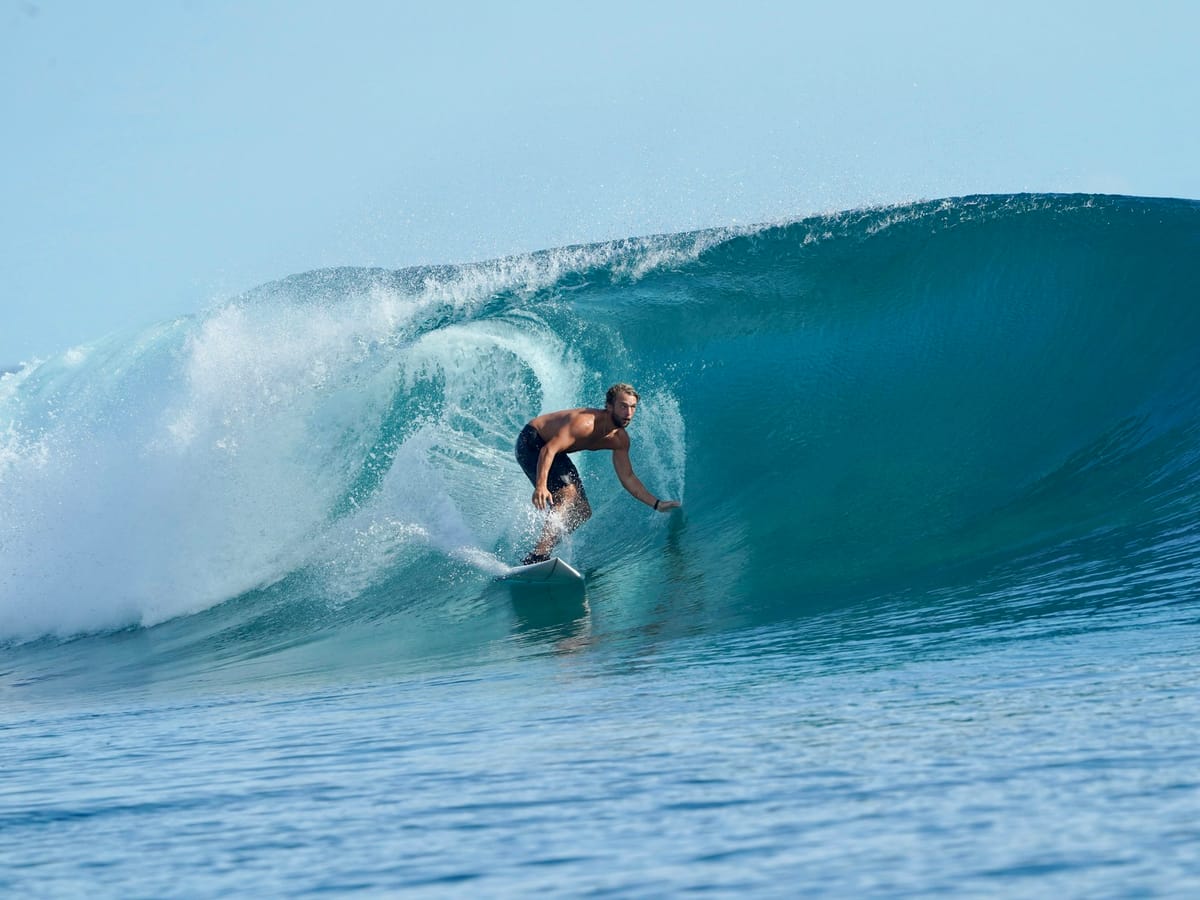
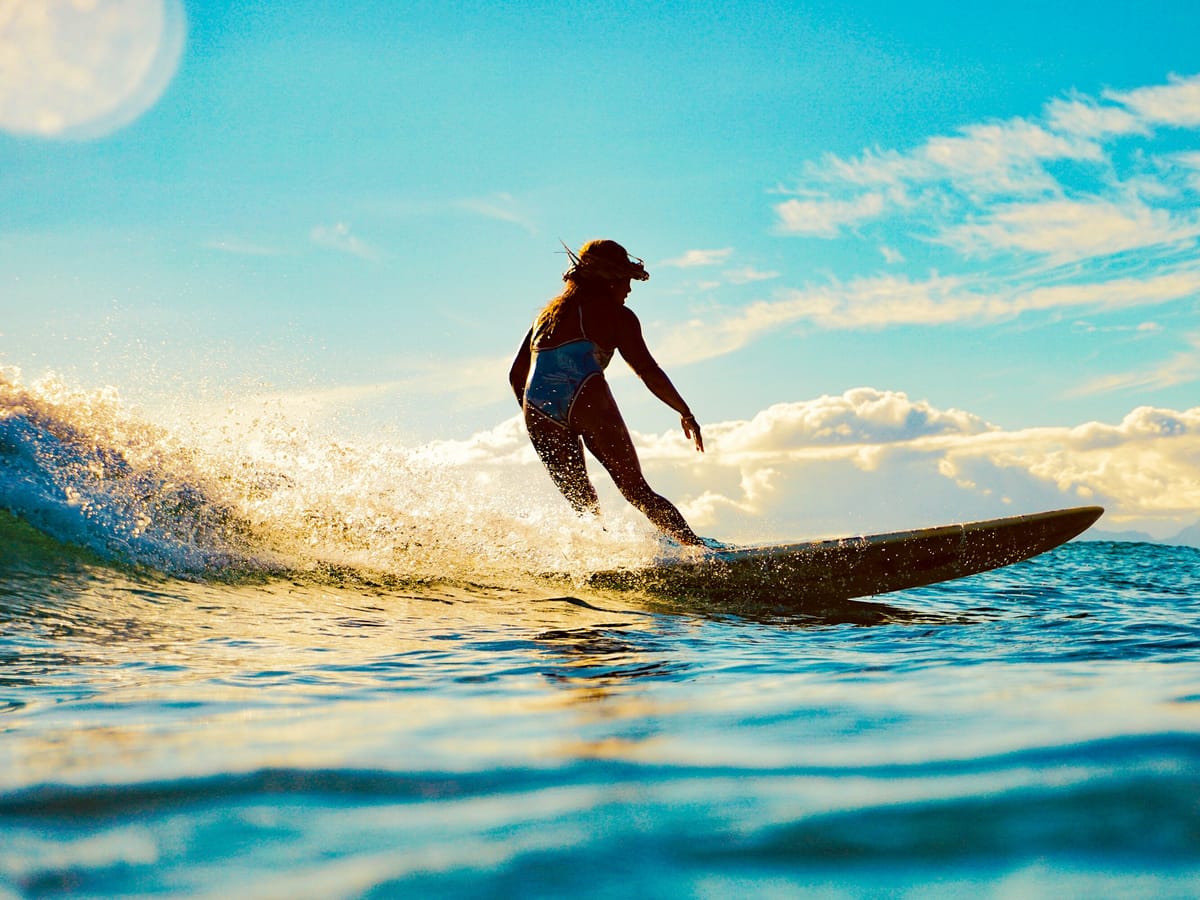
Most spots are reef breaks, powerful and sometimes hollow, which call for a good level: tricky take-offs, shallow coral and currents. Beginners are not left out, though: Libanona beach in Fort Dauphin and Mahambo on the east coast are well suited to learning with a local instructor.
We plan your stay around the waves: accommodation close to the spots, transfers and boat trips out to the reefs with local partners who know the channels and the tides. The most remote spots, such as Lavanono, are reached by 4×4 with a driver-guide, deep in a far south that still sees few visitors.
100% tailor-made
On the spot
Things to do and see
The highlights of the activity, arranged around your pace and your wishes.
Surf the Anakao reefs
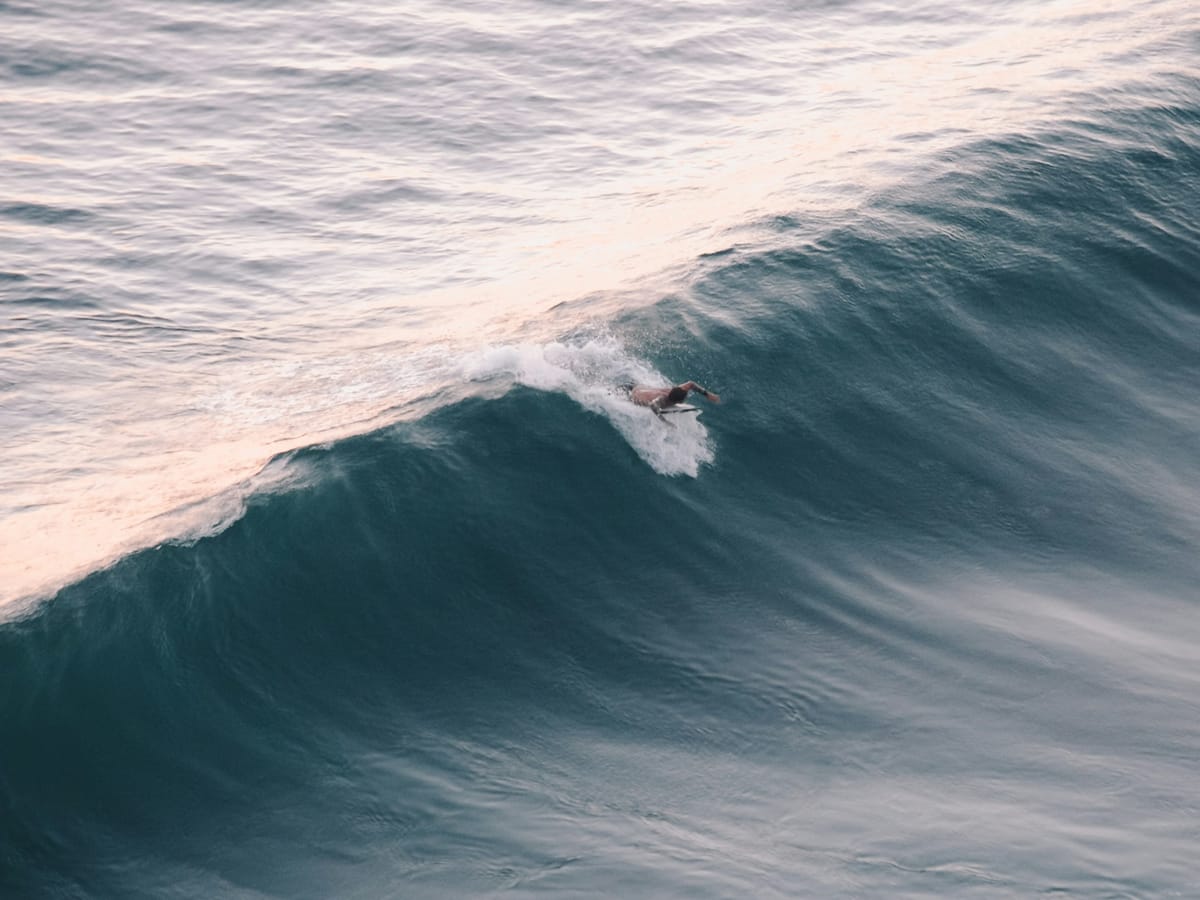
Offshore from the village, reef lefts and rights are reached by pirogue or boat: Flameballs for experienced surfers, and other, more forgiving waves depending on the swell.
Head for the Lavanono left
After a long 4×4 journey through the far south, a reef left peels along the foot of the cliff, best surfed early in the morning before the trade wind gets up.
Learn over a sandy bottom
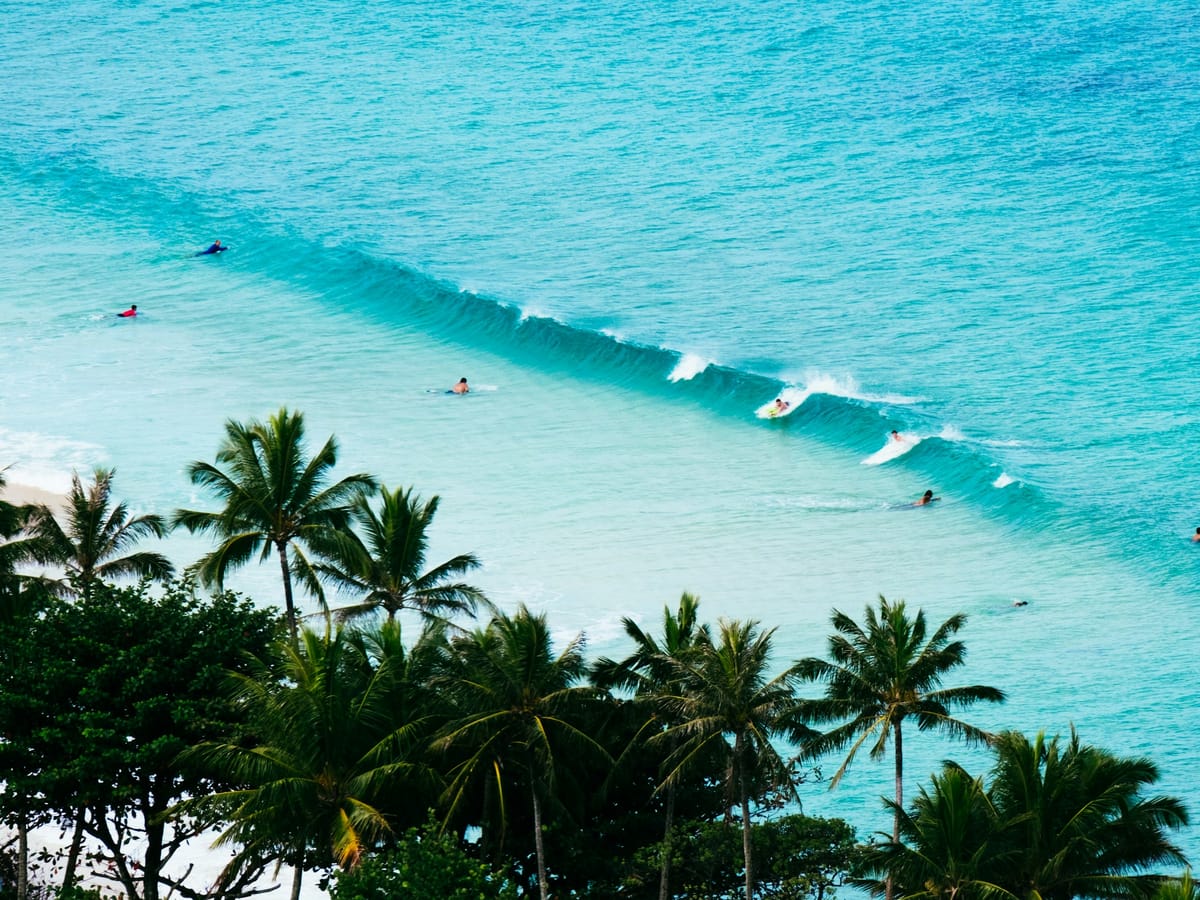
At Libanona, Fort Dauphin’s surf beach, or at Mahambo on the east coast, local instructors offer lessons in how to paddle, pop up and read the waves.
Explore the Nosy Ve lagoon
When the sea is flat or the wind too strong, the islet of Nosy Ve, opposite Anakao, is ideal for snorkelling over coral and reef fish.
Look out for humpbacks
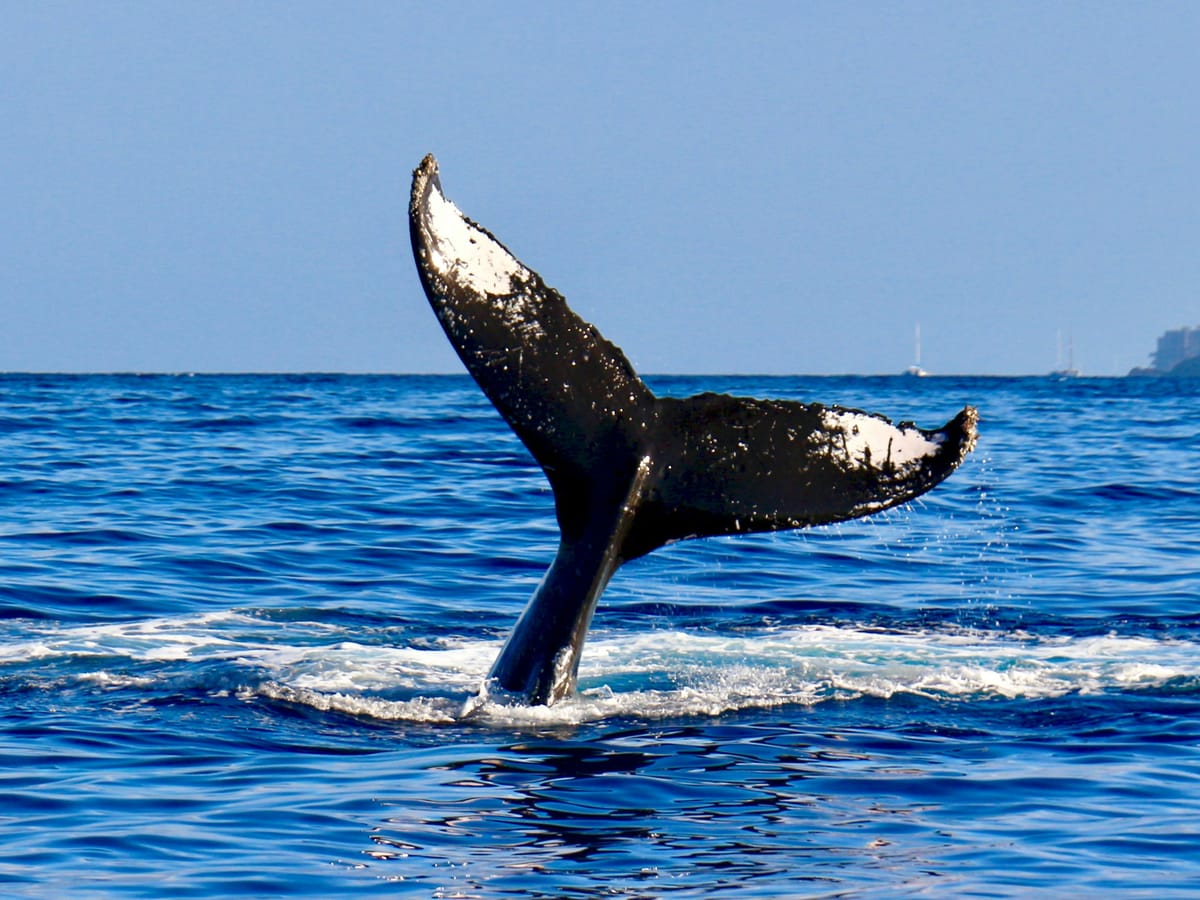
Usually from July to September, humpback whales pass off the south and south-west coasts: a sight you may catch from the line-up or on a boat trip.
Venture to Cap Sainte-Marie
Not far from Lavanono, the Cap Sainte-Marie Special Reserve, the southernmost point of the island, protects radiated and spider tortoises amid low, wind-blown vegetation.
Destinations
Where to go
Our favourite places for this activity, to link together or to slot into one of our tours.
South-west, Mozambique Channel
Anakao and the Toliara reefs
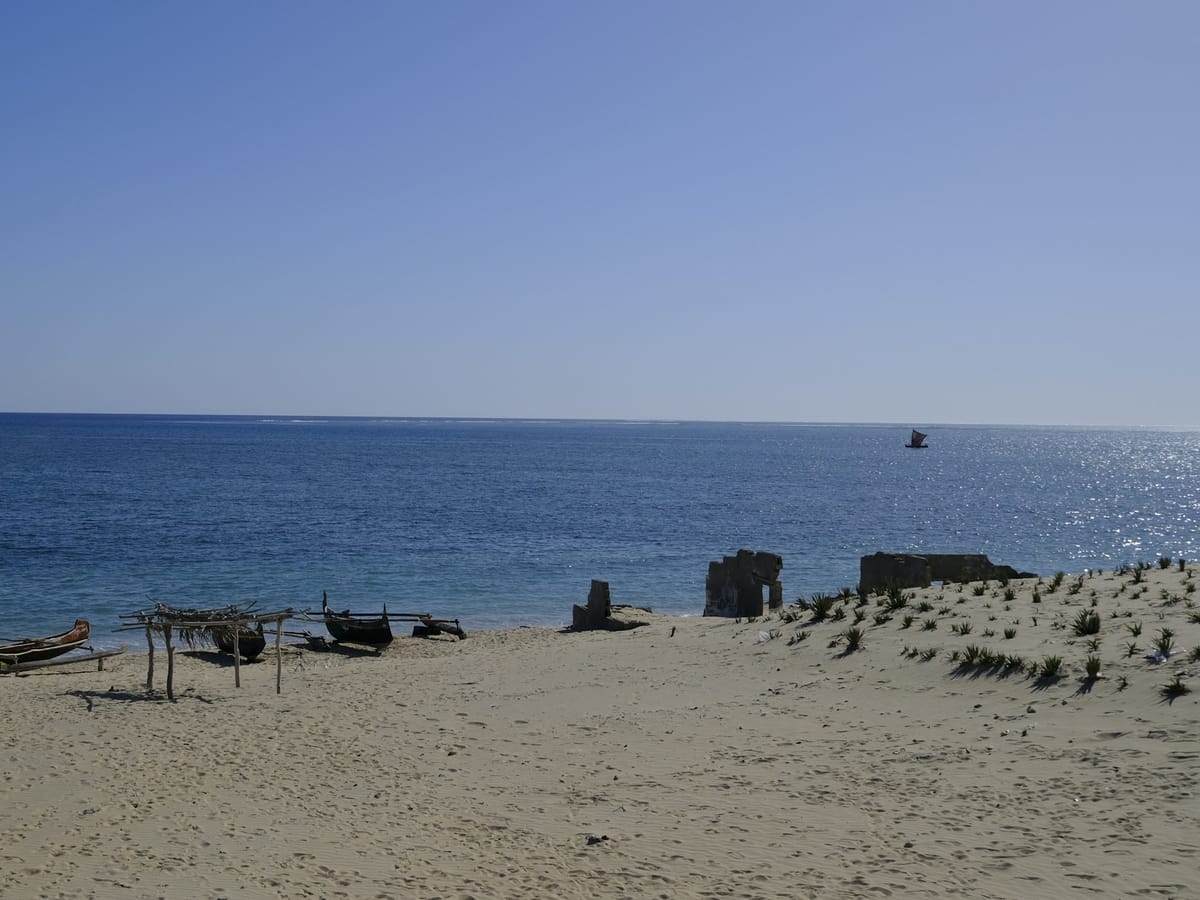
An hour by boat from Toliara, this Vezo fishing village is the base for surfing the offshore reefs: Flameballs, a fast left for experienced surfers, or the more forgiving Jelly Babies. Just opposite, the islet of Nosy Ve is perfect for snorkelling. Between Ifaty and Anakao, nearly twenty breaks can be reached by boat from Toliara, Sarodrano or Saint-Augustin.
Far south, near Cap Sainte-Marie
Lavanono
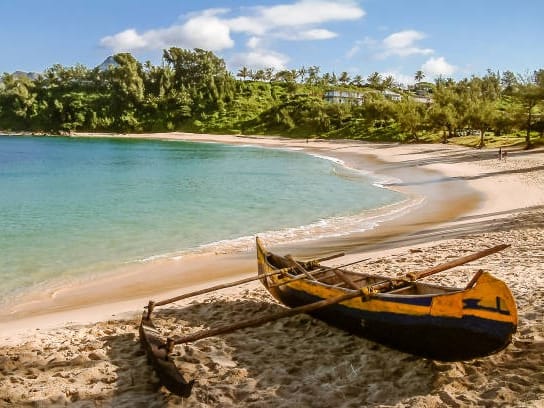
At the foot of a high cliff, this small village in the far south is known for its consistent and often empty reef left. It suits intermediate to advanced surfers, ideally early in the morning before the trade wind picks up. Reaching it along long 4×4 tracks turns the journey into a real expedition.
South-east, Anosy region
Fort Dauphin
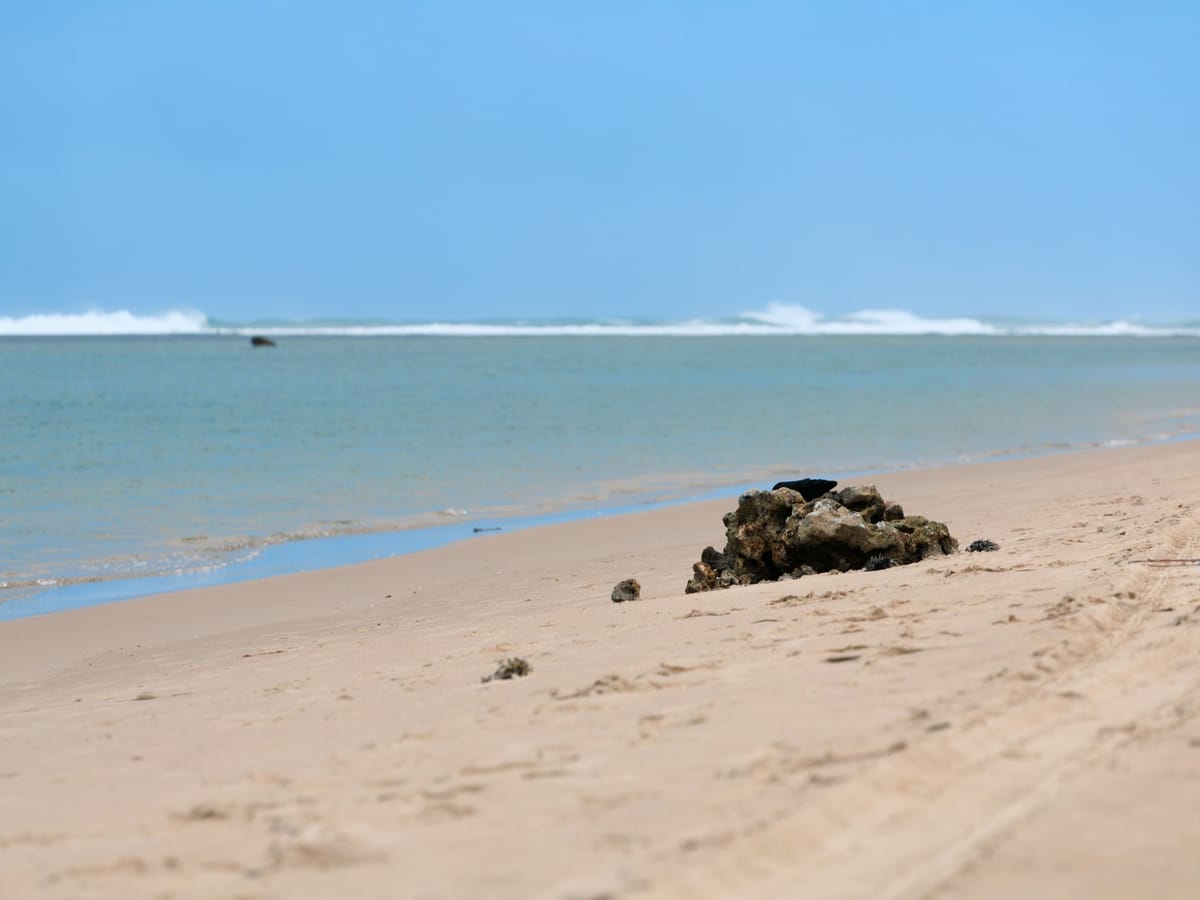
With water between 22 and 28 °C depending on the season, Fort Dauphin can be surfed almost all year round. The town’s surf beach, Libanona, is good for learning thanks to its sandy bottom and consistent swell; Monseigneur Bay suits intermediate surfers and Ambinanibe Bay more seasoned ones. Our luxury tour stops here, with a day in wild Lokaro Bay.
East coast, north of Toamasina
Mahambo and Foulpointe
Some 90 km north of Toamasina, the village of Mahambo has a large lagoon fringed by a coral reef, which is said to keep out the sharks found elsewhere along this shore. The waves are consistent all year round, and a surf school, billed as the country’s first, opened here in 2003. Thirty kilometres to the south, the calm Foulpointe lagoon is ideal for swimming.
In pictures
The activity in photos
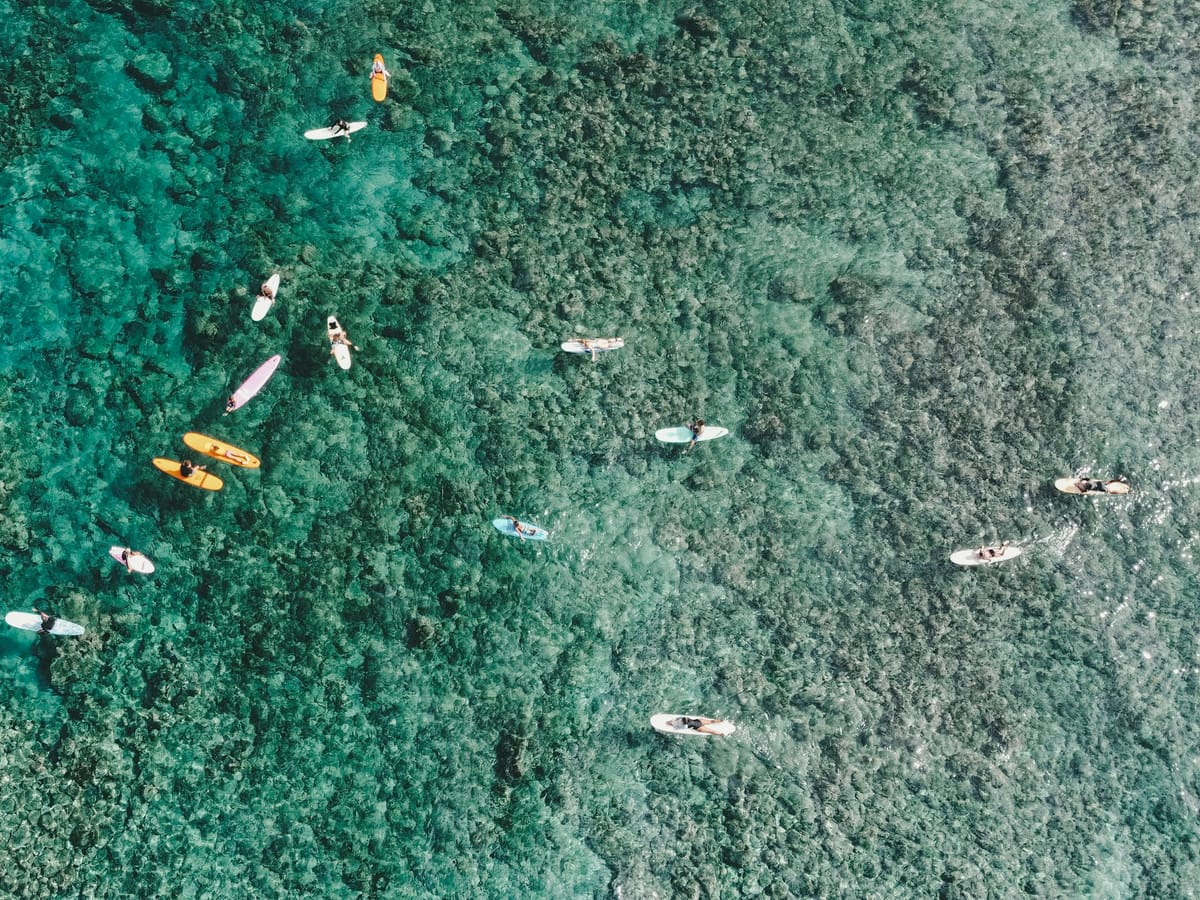
A few images of the activity and of the places where you can enjoy it.
The right time
When to go
The best season runs from April to October: during the southern winter, swells from the southern Indian Ocean regularly reach the reefs of the south and south-west. Mornings often bring light winds before the trade wind picks up. From November to March, waves are smaller and cyclones make conditions less certain, although Mahambo can be surfed all year round and Fort Dauphin almost all year.
- Water at 22-24 °C in August in Fort Dauphin, slightly warmer in the south-west: a rash vest is often enough.
- At Lavanono the trade wind blows hard from July to November, so most surfing happens before 10 am.
- Humpback whales offshore, usually from July to September.
Month by month
- Jan possible
- Feb possible
- Mar possible
- Apr ideal
- May ideal
- Jun ideal
- Jul ideal
- Aug ideal
- Sep ideal
- Oct ideal
- Nov possible
- Dec possible
- Ideal
- Possible
- This month
Recommended season: Best from April to October
In your bag
Gear and equipment
What is provided and what you should bring to make the most of the activity.
Provided
- Transfers to the spots by 4×4 or boat
- Pirogue or boat trips out to the reefs
- Board and rash vest during beginner lessons
- Lessons with a local instructor, on request
What to bring
- Your own board, in a sturdy travel bag
- Tropical wax, leash and spare fins
- Board repair kit
- Reef booties
- Long-sleeved rash vest and a cap
- Water-resistant mineral sun cream
- First-aid kit for coral cuts
- Optional shortie wetsuit, June to September
Peace of mind
Safety advice
A few simple rules so you can enjoy the activity with peace of mind. On site, always follow your guide’s instructions: they know the ground and the conditions of the day.
- Surf within your limits: reef breaks such as Flameballs and Lavanono call for solid experience, and an instructor or local surfer will help you choose the right spot.
- Check the tide before every session: at low tide, the coral is close to the surface on many reefs and any wipeout becomes dangerous.
- Wear reef booties and carefully disinfect even the smallest coral cut, as wounds easily become infected in the tropics.
- Never surf alone, stay within sight of the boat or the beach, and watch out for currents, which are strong near reef passes and on exposed beaches.
- Do not go into the water around Toamasina, where sharks are known to be present; elsewhere, avoid dawn, dusk and murky water, and always follow the advice of local fishermen and surfers.
- Protect yourself from the sun with a rash vest, a cap and mineral sun cream, and drink plenty of bottled or treated water.
- Emergency services are far from the remote spots: bring a first-aid kit, see your doctor before you travel, especially about malaria, and take out insurance that covers surfing and repatriation.
With BEMIRAY
Why choose this activity?
Spots matched to your level
Whether it is a first lesson over sand or reef breaks for experienced surfers, we steer your trip towards the right waves for you, with local partners who know the channels and tides.
Far-south logistics taken care of
Domestic flights, a 4×4 with a driver-guide, boats out to the reefs: we arrange every transfer so that you spend your time in the water rather than looking for a pirogue.
A fully tailor-made trip
A whole week of surfing or a few sessions fitted into a tour: we build your itinerary around the swell season, and reply to your request within 48 hours.
Respect for villages and reefs
The southern spots lie alongside fishing villages, such as the Vezo community of Anakao: we favour low-key surfing, local partners and respect for the coral reefs.
Good to know
Your questions
Another question? Our team replies within 48 hours, in English or in French.
Should I bring my own board?
For experienced surfers, yes: board hire is scarce locally and the choice is limited. Bring a sturdy bag, wax, spare fins and a repair kit. For beginner lessons, the instructor usually provides the board.
Can I learn to surf in Madagascar?
Yes: Libanona beach in Fort Dauphin and Mahambo on the east coast, where a surf school opened as early as 2003, have gentler waves for beginners. The reefs of the south-west and Lavanono are only for surfers who have already mastered the take-off and turning.
Are there sharks?
The risk exists, as it does across the Indian Ocean. It is well known around Toamasina, where swimming is discouraged, whereas Mahambo, further north, is said to be better protected by its coral reef. Elsewhere, avoid dawn, dusk and murky water, and follow the advice of local fishermen and surfers.
Can children surf?
On sandy-bottomed beaches such as Libanona, children who are confident in the water can take a lesson suited to their age. The minimum age depends on the school: tell us how old your children are and we will check what is possible. Reef breaks are not suitable for them.
Can surfing be combined with a tour?
Yes: our Luxury Travel Through Lush Greenery tour stops in Fort Dauphin and Lokaro Bay, where surfing is among the activities on offer. Our tours that pass through Toliara can easily be extended by a few days in Anakao, an hour away by boat.
Is tipping customary?
It is never compulsory, but your instructor, boatman or the local surfer who guides you on the reefs will always appreciate it. Your driver-guide will be happy to explain local customs.
Combine it
Our tours with this activity
Find this activity on these itineraries, or add it to the tour of your choice: every trip is tailored to your wishes.
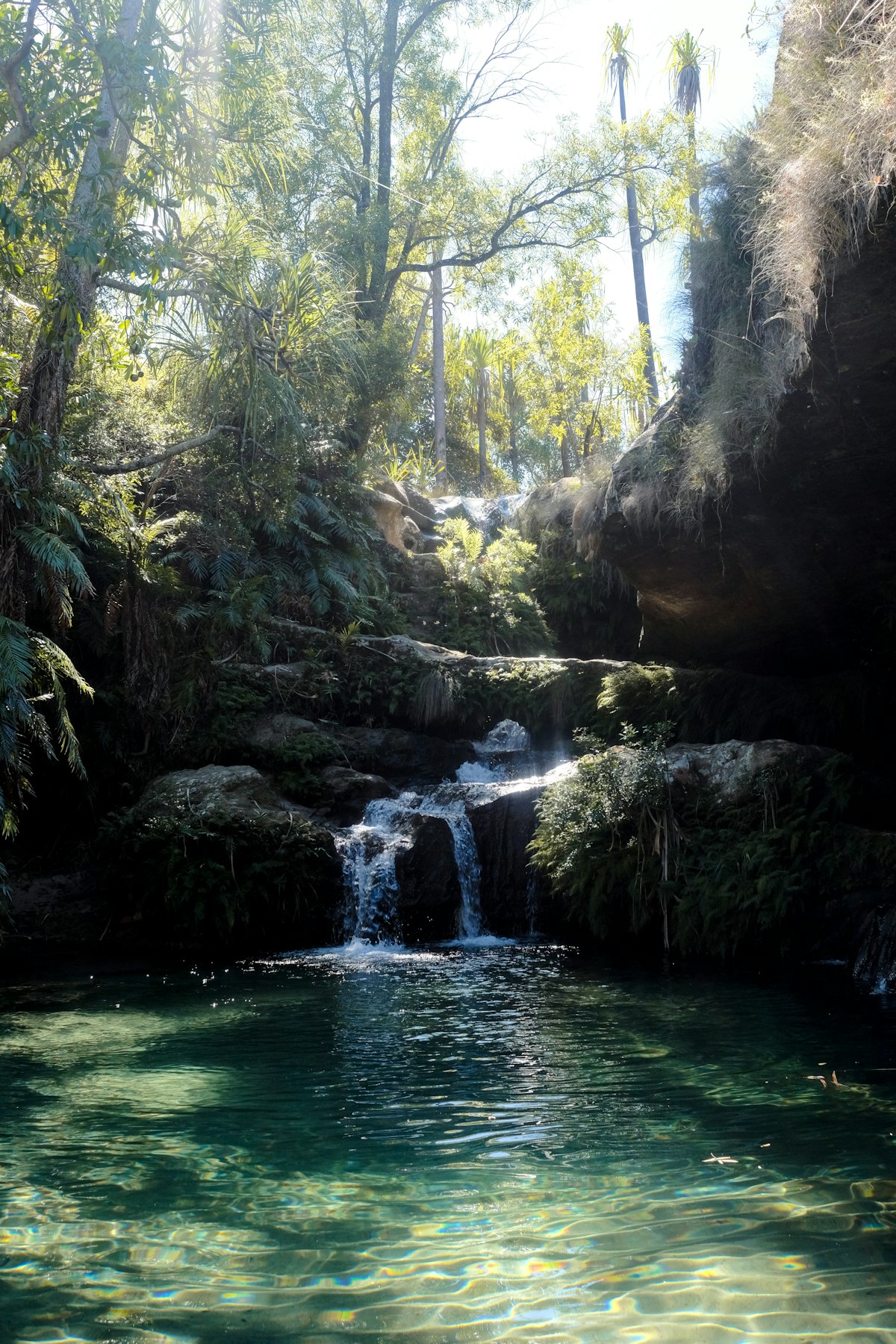
West, South & Highlands
Quote within 48 h
19 days
Something else in mind?
More activities
Isalo, Makay, Andringitra
Canyons, natural pools and wild massifs, from a half-day walk to several days deep in the wilderness.
Best from April to October
Andasibe, Ranomafana, Ankarafantsika
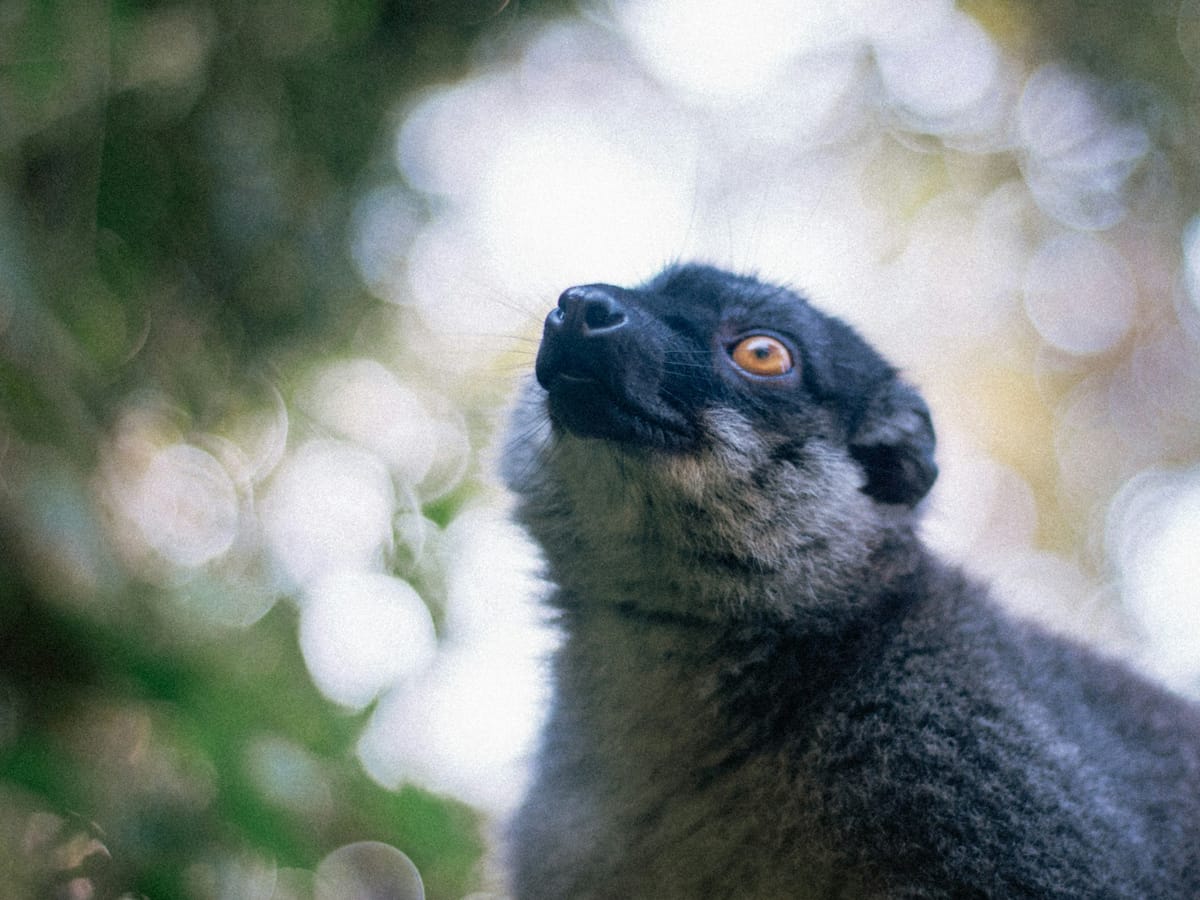
Early in the morning or after dark, with a local guide, to meet indris, sifakas and ring-tailed lemurs.
Year-round, best April–May and August–November
Sainte-Marie, Fort-Dauphin, Ifaty
From July to September, humpback whales come to calve off Sainte-Marie: watch them from a boat, at a respectful distance.
Mainly July to September